Possum Lifespan – How Long Do Possums Live
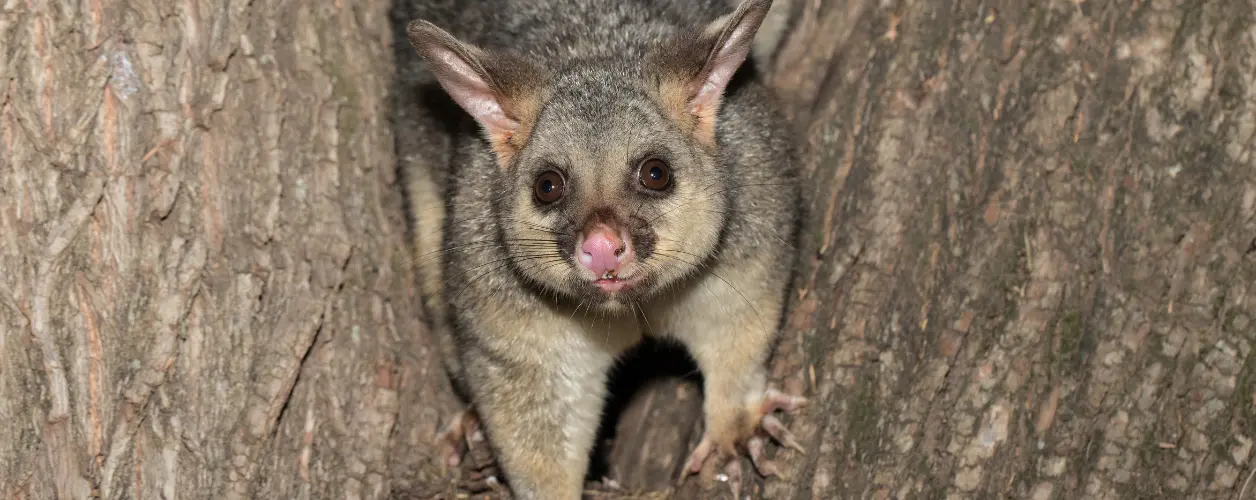
Table Of Content
- Introduction
- Possum Species in Australia
- Typical Lifespan in the Wild
- Lifespan in Urban Areas
- Lifespan in Captivity
- Reproduction and Life Cycle
- Threats Affecting Longevity
- Fun Facts About Possum Longevity
- Conclusion
Possums are one of Australia’s most iconic nocturnal marsupials, often seen darting across rooftops or peeking out of trees at night. From bustling cities to quiet bushlands, these adaptable creatures have found ways to live alongside humans while maintaining their wild instincts.
For anyone interested in Australian wildlife—or even homeowners who occasionally hear scratching in the roof—understanding possums’ lifespan is key. How long do they really live? What factors influence their survival in the wild or urban environments? And how does life in captivity compare?
In this guide, we’ll explore the lifespan of Australia’s most common possum species, the challenges they face, and the fascinating life cycle of these resilient marsupials.
Possum Species in Australia
Australia is home to a variety of possum species, each with its own unique behaviours, habitats, and lifespans. While there are over 30 species across the continent, the ones you’re most likely to encounter are:
1. Common Brushtail Possum
- Habitat: Urban areas, forests, and woodlands.
- Diet: Leaves, fruits, flowers, and sometimes human food scraps.
- Behaviour: Mostly nocturnal and territorial; excellent climbers.
- Lifespan: Typically 10–12 years in the wild, longer in captivity.
2. Common Ringtail Possum
- Habitat: Eucalypt forests, suburban gardens, and parks.
- Diet: Leaves and flowers, with a preference for certain native plants.
- Behaviour: Social, often living in family groups called “dreys.”
- Lifespan: Around 7–9 years in the wild.
3. Sugar Glider (mini possum)
- Habitat: Forests and woodlands, sometimes urban backyards.
- Diet: Nectar, insects, and small fruits.
- Behaviour: Nocturnal gliders; they can travel large distances by gliding.
- Lifespan: 9–12 years in captivity, shorter in the wild.
Each species has adapted differently to Australia’s diverse environments. While their lifespans can vary, understanding these differences helps homeowners, wildlife carers, and nature enthusiasts appreciate how long these marsupials might live and what challenges they face.
Typical Lifespan in the Wild
In the wild, a possum’s life can be full of challenges, and survival isn’t guaranteed. On average, most common Australian possums live:
- Brushtail Possums: 10–12 years
- Ringtail Possums: 7–9 years
- Sugar Gliders: 3–5 years
Several factors influence their lifespan in natural habitats:
- Predators: Owls, snakes, and foxes pose a constant threat, especially to young possums. Sometimes they may use tricks like playing dead to escape.
- Food Availability: A reliable food supply affects health and survival. Droughts or habitat loss can shorten life expectancy.
- Disease & Parasites: Wild possums are prone to illnesses and parasites, which can reduce their lifespan.
- Environmental Hazards: Bushfires, storms, and extreme weather can be fatal, particularly for less experienced possums.
While possums are remarkably adaptable, life in the wild is unpredictable. Many don’t reach their maximum potential lifespan due to these natural dangers.
Lifespan in Urban Areas
Urban environments offer possums both opportunities and risks, creating a very different survival scenario compared to the wild.
How City Life Impacts Lifespan:
Benefits:
- Abundant food sources, including garden plants, fruit trees, and even pet food left outdoors.
- Fewer natural predators, like snakes and owls, can allow possums to live longer.
Risks:
- Traffic: Road accidents are a major cause of death for urban possums.
- Domestic Pets: Cats and dogs can injure or kill possums.
- Human Interaction: Unintentional harm from fencing, chemicals, or unapproved removal attempts.
Because of these mixed factors, urban possums sometimes live slightly longer than their wild counterparts if they avoid the hazards of city life. However, many still face early death due to traffic or human-related dangers.
Lifespan in Captivity
Possums tend to live the longest under human care, such as in zoos, wildlife sanctuaries, or with licensed wildlife carers. Safe from predators, with steady food and medical attention, their potential lifespan can increase significantly.
Typical Lifespans in Captivity:
- Brushtail Possums: Up to 15 years
- Ringtail Possums: Up to 12 years
- Sugar Gliders: 9–12 years
Factors Contributing to Longer Life:
- Consistent Nutrition: Balanced diet tailored to species.
- Veterinary Care: Prompt treatment for injuries, parasites, or illnesses.
- Safe Environment: Protection from predators, traffic, and extreme weather.
Captive possums often live beyond their average wild lifespan, giving researchers and wildlife carers a better understanding of their natural longevity and reproductive cycles. However, it's important to remember you can't keep a possum as a pet legally.
Reproduction and Life Cycle
A possum’s lifespan is closely tied to its reproductive cycle, as survival of the next generation depends on timing, maturity, and environmental conditions.
Key Facts:
Sexual Maturity:
- Brushtail and Ringtail possums reach maturity around 1–2 years of age.
- Sugar Gliders mature slightly earlier, often within their first year.
Gestation and Pouch Life:
- Possums have short gestation periods, typically 16–18 days for brushtails and ringtails.
- Newborns spend several months developing in the mother’s pouch before venturing out.
Offspring Numbers:
- Usually 1–2 joeys per litter for the most common species.
- Survival rates depend on environmental conditions, food supply, and predation.
Life Stages:
- Joey: Pouch life and early dependence (up to 6 months).
- Juvenile: Learning to forage and navigate (6–12 months).
- Adult: Breeding age, continuing the cycle.
Understanding their life cycle helps explain why possums have relatively short lifespans in the wild but can thrive longer in safe, controlled environments.
Threats Affecting Longevity
Even though possums are resilient creatures, their lifespan is heavily influenced by the risks they face in the wild and urban environments. Key threats include:
1. Predators
- Natural predators: Owls, snakes, and goannas often target young or weakened possums.
- Introduced predators: Foxes and feral cats are significant dangers, particularly in suburban and rural areas.
2. Disease and Parasites
- Possums can be affected by mites, ticks, and mange, which weaken their health.
- Infections or parasitic infestations can shorten life expectancy, especially in the wild, where veterinary care is unavailable.
3. Environmental Hazards
- Bushfires and storms: Extreme weather events can be fatal.
- Habitat destruction: Deforestation and urban development reduce safe nesting areas and food sources.
4. Human-Related Risks
- Road accidents and collisions are major causes of death for urban possums.
- Unintentional poisoning from pesticides, chemicals, or improper wildlife control methods.
- Improper handling or illegal removal attempts.
By understanding these threats, Australians can take steps to protect possums and help them reach their natural lifespan. One common issue is a dead possum in the roof, which poses health risks.
Fun Facts About Possum Longevity
Possums aren’t just fascinating for their nocturnal habits—they’ve got some surprises when it comes to lifespan and survival. Here are some interesting facts:
- Record Lifespans: Some brushtail possums in captivity have lived up to 20 years, far beyond the wild average.
- Urban Survivors: City-dwelling possums sometimes outlive their bush counterparts because they face fewer predators and have more consistent food sources.
- Life in the Pouch: Baby possums (joeys) are tiny—about the size of a jellybean at birth—but they grow quickly, and their early development in the pouch is critical to survival.
- Adaptable Longevity: Possums can adjust their activity and foraging habits depending on food availability, helping them survive tough seasons.
- Species Differences: Sugar gliders live shorter lives in the wild than brushtails or ringtails, mainly due to predation and their smaller size.
These little marsupials are not only resilient but also ingenious survivors, adapting to challenges in both urban and natural environments.
Conclusion
Possums are remarkable creatures that have adapted to survive in both Australia’s wild landscapes and urban environments. Their lifespan varies depending on species, habitat, and environmental pressures: while a brushtail possum may live 10–12 years in the wild, some can reach 15 or more in captivity, protected from predators and hazards. Ringtail possums and sugar gliders generally have shorter lifespans, especially in areas with high predation or human-related risks.
Understanding possum longevity isn’t just a curiosity—it helps homeowners, wildlife carers, and nature enthusiasts make informed decisions about conservation, coexistence, and care. By protecting their habitats and minimising urban dangers, we can help these iconic marsupials thrive for many years to come.
Respect possums, protect their environment, and enjoy watching these incredible Australian marsupials live their best lives.
YOU MIGHT ALSO BE INTERESTED IN

Capital Cities
- Pest Control Services Services in Melbourne
- Pest Control Services Services in Brisbane
- Pest Control Services Services in Sydney
- Pest Control Services Services in Adelaide
- Pest Control Services Services in Perth
- Pest Control Services Services in Canberra
- Pest Control Services Services in Hobart
- Pest Control Services Services in Darwin