How To Find And Remove A Dead Possum
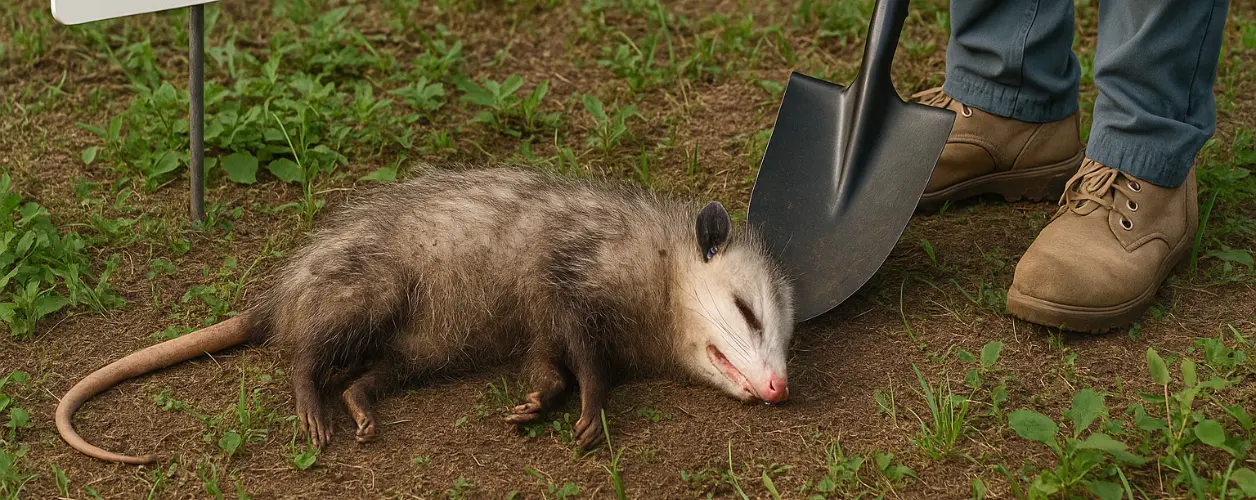
Table Of Content
- Introduction
- Signs of a Dead Possum
- Common Places Possums Die
- Health Risks of a Dead Possum
- How to Locate the Dead Possum
- Steps to Remove a Dead Possum
- When to Call a Professional
- Conclusion
If you’ve ever caught a whiff of a sudden, foul smell in your home that just won’t go away, there’s a good chance a possum might be the culprit. In Australia, possums are common roof and wall invaders, and unfortunately, sometimes they die inside these hidden spaces. The result? Weeks of unbearable odour, invading flies, and the risk of bacteria or parasites spreading indoors.
While dealing with a dead possum isn’t exactly the kind of DIY task you want to brag about, it’s important to act quickly and carefully. Leaving it untreated will only make the smell worse and could even affect your health.
In this guide, we’ll walk you through how to spot the signs of a dead possum, locate the carcass, remove it safely, and prevent future problems—all while keeping things legal, safe, and as stress-free as possible.
Signs of a Dead Possum
Possums are nocturnal, noisy, and often hard to miss when alive—but when one dies inside your home, the signs are very different (and much less pleasant). Here’s what to look out for:
1. Strong, Foul Odour
- The most obvious clue is the overpowering stench of decay.
- It starts mild but quickly becomes unbearable, especially in enclosed areas.
- The smell can linger for weeks if the carcass isn’t removed.
2. Blowflies and Maggots
- A sudden appearance of flies buzzing indoors (especially near windows or lights) is a major red flag.
- Maggots may also appear near the source.
3. Stains and Leaks
- If the possum died in your roof or walls, you may notice brown stains or damp patches on ceilings or plaster as fluids seep through.
4. Sudden Silence
- If you’ve been hearing possum noises at night (scratching, thumping, scurrying) and they stop abruptly, it might mean the possum has died in its hiding spot. Be sure it's not a case where possums play dead as a defence mechanism.
Spotting these signs early helps you locate and remove the possum before the smell and health risks get worse.
Common Places Possums Die
Finding a dead possum isn’t always straightforward. These creatures often crawl into tight, hidden spots in and around your home. Here are the most common areas to check:
1. Roof Cavities
One of the most frequent spots. Possums often nest in roof insulation or beams, and if they die there, the smell quickly spreads throughout the house. This is one of the key risks of leaving possums in your roof.
2. Inside Walls
Possums can slip through small gaps and end up trapped inside wall cavities. If they die there, you may notice odours and stains seeping through plasterboard.
3. Under the House
Crawl spaces and subfloors provide dark, cool areas where possums sometimes nest—and occasionally die.
4. Garages and Sheds
Less common, but possums may shelter in storage spaces, especially if they’re quiet and dark.
By checking these likely spots, you can narrow down where the smell is coming from and work towards locating the source.
Health Risks of a Dead Possum
Leaving a dead possum in your home or yard isn’t just unpleasant—it can actually pose serious health risks for you and your family.
1. Bacteria and Disease
- As the carcass decomposes, it becomes a breeding ground for harmful bacteria.
- These germs can spread through the air and contaminate nearby surfaces.
2. Parasites
- Dead possums attract fleas, mites, ticks, and maggots.
- These pests can spread into your home, biting people and pets.
3. Air Quality Issues
- The gases released during decomposition create a toxic odour.
- Prolonged exposure indoors can cause headaches, nausea, and breathing difficulties.
4. Secondary Infestations
- Blowflies and rodents may be drawn to the carcass, leading to further pest problems if not dealt with quickly.
For these reasons, it’s crucial to locate and remove a dead possum as soon as possible—and always handle it safely.
How to Locate the Dead Possum
Tracking down a dead possum can be tricky, especially if it’s hidden in the roof or walls. Here are some practical steps to help you find the source:
1. Follow the Smell
- The strongest odour will lead you closest to the carcass.
- Search room to room and check where the smell is most intense.
2. Look for Insect Activity
- Blowflies buzzing near windows, vents, or ceiling lights can indicate the possum’s location.
- Maggots or insect trails may appear around the area.
3. Check for Stains or Leaks
- Brown patches, damp spots, or greasy marks on ceilings and walls can signal that the carcass is above or inside.
4. Inspect Likely Nesting Spots
- Roof cavities, wall cavities, underfloor areas, and sheds are prime hiding places.
- Use a torch, gloves, and a mask when inspecting these areas for safety.
If you still can’t pinpoint the source, the possum may be in an inaccessible cavity, and you’ll likely need professional help.
Steps to Remove a Dead Possum
If you’ve located the carcass, it’s crucial to handle it safely to avoid health risks. Here’s a step-by-step guide:
1. Safety First
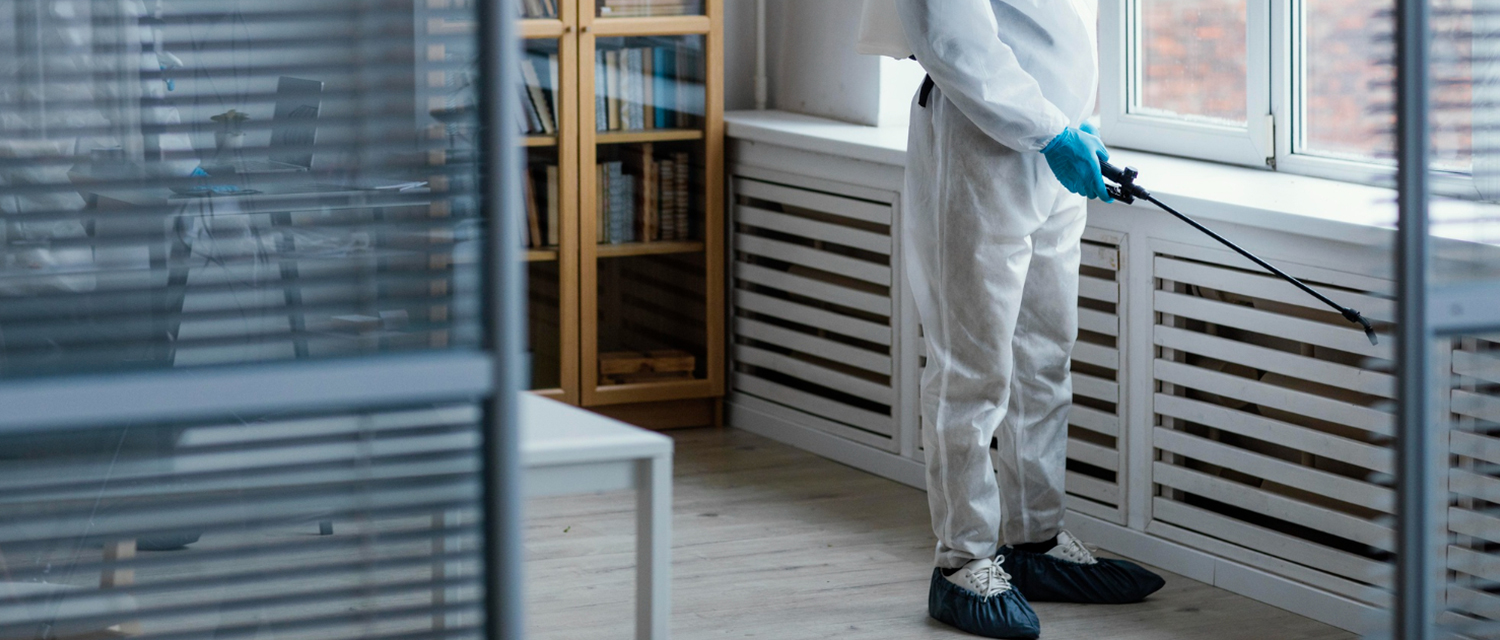
- Wear disposable gloves, a mask, and old clothes (or disposable coveralls).
- Keep children and pets away from the area.
2. Careful Handling
- Gently place the carcass into a thick garbage bag.
- Double-bag it to contain fluids and odour.
- Avoid direct contact at all times.
3. Proper Disposal
- Check with your local council about disposal rules.
- In most areas, the sealed bag can go into the general waste bin, but some councils offer dead animal collection services.
4. Clean and Disinfect
- Thoroughly clean the area with disinfectant.
- Use odour neutralisers (like vinegar, baking soda, or commercial products) to remove lingering smells.
- Wash or discard any tools, gloves, or clothes used.
Removing the carcass promptly and cleaning the area properly will protect your household from bacteria, parasites, and ongoing odour issues.
When to Call a Professional
If you can’t locate the possum, it’s in an unreachable spot (like inside a wall), or you’re uncomfortable handling it, it’s always best to call a professional pest control or dead animal removal service.
Why call a professional?
- Safety: They have the right equipment to protect against health risks.
- Expertise: They can locate carcasses in tricky spots like wall cavities.
- Efficiency: Professionals can remove the possum and sanitise the area quickly.
- Legal Compliance: They know how to handle native wildlife legally and responsibly.
Calling in an expert ensures the job is done safely, thoroughly, and without any added stress for you.
Conclusion
Finding a dead possum in your home is an unpleasant but fixable problem. The key is to act quickly—following the smell, looking for flies, and checking common hiding spots. Always prioritise safety by wearing protective gear and thoroughly cleaning the area after removal.
If the task feels too daunting or the possum is in an inaccessible spot, don’t hesitate to call a professional. They’ll handle the removal safely and efficiently, getting your home back to normal fast.
Once the possum is gone, focus on sealing entry points to prevent future visitors. With the right approach, you can solve the immediate problem and keep your home possum-free for good.
YOU MIGHT ALSO BE INTERESTED IN
Capital Cities
- Pest Control Services Services in Melbourne
- Pest Control Services Services in Brisbane
- Pest Control Services Services in Sydney
- Pest Control Services Services in Adelaide
- Pest Control Services Services in Perth
- Pest Control Services Services in Canberra
- Pest Control Services Services in Hobart
- Pest Control Services Services in Darwin