Do Possums Play Dead? - What It Means And Why They Do It
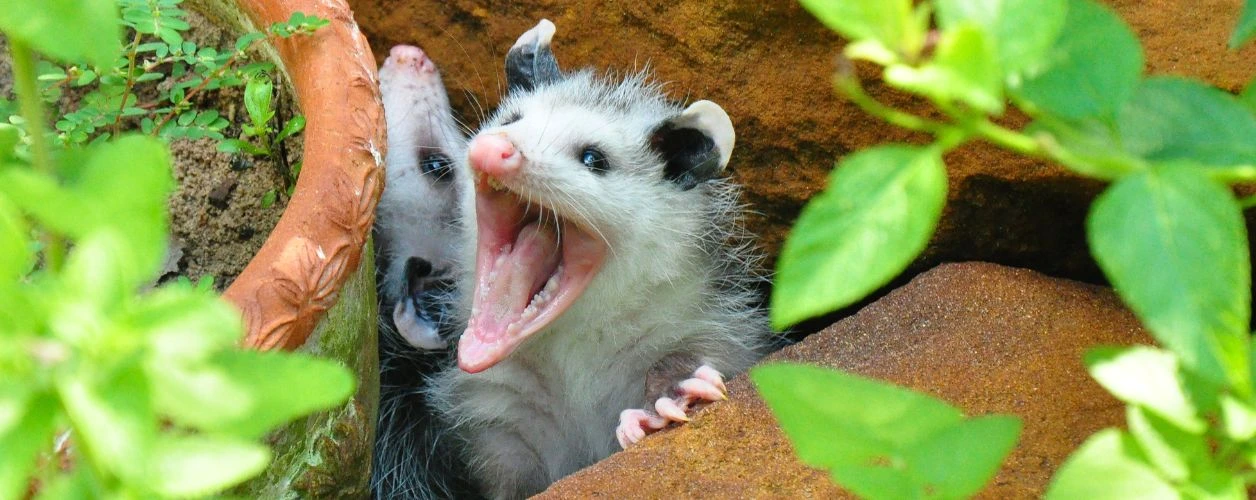
Table Of Content
- Introduction
- What Does “Playing Dead” Mean?
- Why Do Possums Play Dead?
- How the Behaviour Works
- Do All Possums Play Dead?
- Other Defence Mechanisms of Possums
- Misconceptions About “Playing Dead”
- What to Do if You See a Possum “Playing Dead”
- Conclusion
If you’ve ever come across a possum lying completely still, mouth open, tongue hanging out, you might have thought it was dead. But moments later, it suddenly springs back to life and scurries off. Confusing? Absolutely.
This strange act is called “playing dead”, and it’s one of the most fascinating (and misunderstood) survival tactics in the animal kingdom. While it may look like clever acting, the truth is far more interesting—and a little surprising.
In this blog, we’ll break down what “playing dead” really means, why possums do it, and how you should respond if you ever witness it.
What Does “Playing Dead” Mean?
“Playing dead” is a defence mechanism in animals, scientifically known as thanatosis. It’s not an act of clever pretending but an involuntary response to extreme fear or threat.
When a possum goes into this state, its body essentially shuts down temporarily, mimicking death. Unlike a conscious decision to “fake it,” this behaviour is more like a built-in reflex that kicks in when the animal feels cornered and has no other escape.
So, while it may look like the possum is deliberately fooling predators, it’s actually just nature’s automatic survival strategy.
Why Do Possums Play Dead?
Possums (and more commonly, their cousins the North American opossums) play dead as a last-resort survival tactic. When predators like dogs, foxes, or owls attack, the possum’s body automatically goes into a frozen, death-like state.
Here’s why it works so well:
- Predators Lose Interest – Many hunters prefer live prey. A “dead” animal seems less appealing or even dangerous.
- Buys Time – The predator may walk away, giving the possum a chance to “wake up” and escape later.
- Adds Realism – Along with lying limp, the possum can release a foul-smelling fluid from its glands, making it smell rotten and unappetizing.
In short, “playing dead” is a clever survival trick gifted by evolution—helping possums outsmart predators without even trying.
How the Behaviour Works
When a possum faces extreme danger, its nervous system can trigger an involuntary shutdown, pushing it into a “play dead” state. This reaction isn’t conscious—it’s more like fainting from fear, but with a survival twist.
Key Signs of Playing Dead:
- Limp Body – The possum collapses and lies motionless.
- Open Mouth & Drooling – Its tongue may hang out, mimicking death.
- Glassy Eyes – Staring blankly, adding to the illusion.
- Foul Smell – Some release a strong odour, making predators think the body is rotting.
- Duration – This state can last from a few minutes to several hours, depending on the threat.
Once the danger passes, the possum gradually regains control, shakes it off, and scurries away—often leaving observers stunned.
Do All Possums Play Dead?
Not all possums rely on this behaviour—and here’s where things get a bit tricky.
- North American Opossums – Famous for their dramatic “death act.” This is the species most people think of when they hear the phrase playing possum.
- Australian Possums – Our brushtails and ringtails don’t usually play dead. Instead, they rely more on climbing, hissing, growling, or escaping into trees.
This difference often confuses people. In reality, they’re two different groups of animals. Opossums (with an O) are found in the Americas, while possums (without the O) are unique to Australia and nearby regions.
So, while your backyard Aussie possum might spook you with its loud thumps and stares, don’t expect it to flop over and stage a drama—it’s the American cousins that have mastered that act.
Other Defence Mechanisms of Possums
“Playing dead” isn’t the only trick in a possum’s survival toolkit. Depending on the species, possums use a mix of strategies to avoid predators and protect themselves.
Common Defence Tactics:
- Climbing & Escaping – Possums are agile climbers, often darting up trees to get out of reach.
- Hissing & Growling – They make loud, threatening noises to scare off attackers.
- Showing Teeth – A defensive display meant to intimidate.
- Territorial Behaviour – Scratching, thumping, and marking areas to warn rivals and intruders.
- Odour Release – Some species emit a foul smell when threatened (extra effective if paired with “playing dead”).
These behaviours prove that possums are resourceful survivors—they don’t just rely on one tactic but adapt to the threat at hand.
Misconceptions About “Playing Dead”
Because it looks so convincing, many people assume possums are deliberately tricking predators. In reality, that’s not the case. Let’s clear up a few common myths:
1. It’s Not a Choice
Possums don’t decide to play dead—it’s an automatic response, triggered by fear.
2. Not a Learned Behaviour
Unlike trained pets, possums aren’t “acting.” This instinct is built into their nervous system.
3. Not Exclusive to Possums
Other animals, like snakes and certain insects, also use thanatosis. Possums just happen to be one of the best-known examples.
4. They’re Not Actually Dead
Although they look lifeless, their body functions (like breathing) continue—just slowed down to match the illusion.
This natural survival reflex is less about theatre and more about biology doing its best to keep them alive.
What to Do if You See a Possum “Playing Dead”
If you ever stumble across a possum lying still, it can be hard to tell whether it’s truly dead or just in defensive mode. Here’s how to handle the situation:
1. Don’t Panic
- It’s normal behaviour, especially in opossums.
- Give it time—most recover on their own once they feel safe.
2. Avoid Touching It
- Handling can stress the possum further.
- They may also carry parasites or diseases.
3. Give It Space
- Step back and keep pets away.
- A quiet environment helps the possum “wake up.”
4. Check for Safety
- If the possum is in a dangerous spot (like a road), call your local wildlife rescue service for safe relocation.
5. Be Patient
- The possum may remain still for minutes or even hours. Eventually, it will get up and move off once the coast is clear.
The best thing you can do is respect the possum’s survival instinct and let nature take its course.
Conclusion
“Playing dead” is one of the most fascinating tricks in the animal kingdom—but it’s not really a trick at all. For possums, especially North American opossums, this behaviour is an automatic survival reflex designed to confuse predators and buy them precious time to escape.
Australian possums, on the other hand, don’t typically rely on this strategy—they prefer climbing, hissing, or showing their teeth when threatened. Still, both share one thing in common: their resilience and adaptability in the wild.
So, the next time you see a possum lying still, don’t assume it’s gone for good. Chances are, it’s just waiting for danger to pass before making a quick getaway. Nature has given them a brilliant survival tactic—and it’s our job to respect and admire it from a distance.
YOU MIGHT ALSO BE INTERESTED IN

Capital Cities
- Pest Control Services Services in Melbourne
- Pest Control Services Services in Brisbane
- Pest Control Services Services in Sydney
- Pest Control Services Services in Adelaide
- Pest Control Services Services in Perth
- Pest Control Services Services in Canberra
- Pest Control Services Services in Hobart
- Pest Control Services Services in Darwin