How To Possum-Proof Your Roof
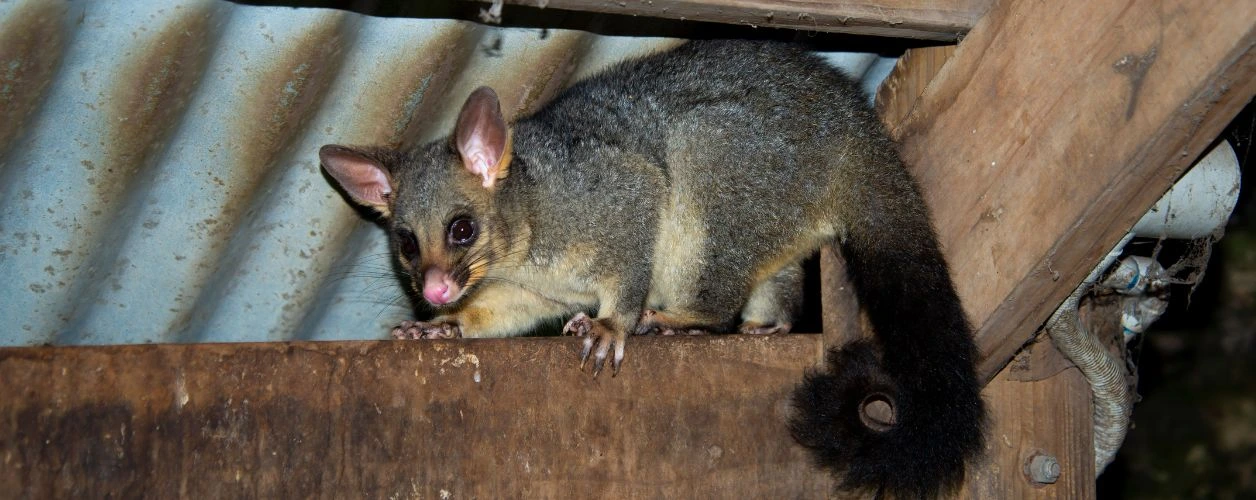
Table Of Content
- Introduction
- Why Possums Enter Roofs
- Signs You Have Possums in Your Roof
- Legal Considerations in Australia
- Steps to Possum-Proof Your Roof
- When to Call a Professional
- Ongoing Prevention Tips
- Conclusion
If you’ve ever been kept awake by thumping, scratching, or scurrying noises above your head at night, chances are you’ve got a possum (or two) living rent-free in your roof. While these marsupials are a protected part of Australian wildlife, they can be a real nuisance when they decide your roof cavity is the perfect Airbnb.
From droppings and urine smells to chewed wiring and insulation damage, possums in the roof can cause health hazards and costly repairs if not dealt with properly. The good news? You don’t have to live with the nightly drama. With a few smart, humane strategies, you can possum-proof your roof and keep your home safe without harming these native animals.
In this guide, we’ll walk you through the signs of possums in your roof, why they get inside, and the best ways to seal your home so you can sleep soundly again.
Why Possums Enter Roofs
Roofs make the perfect hideout for possums, and once they find a way in, they’ll happily settle down. Here’s why they’re so drawn to your ceiling space:
1. Warmth and Shelter
Roof cavities provide a cosy, insulated space that keeps possums safe from cold nights, rain, and wind.
2. Protection from Predators
High up in your roof, possums are out of reach from cats, dogs, and other threats, making it an ideal nesting site.
3. Easy Access Points
Possums are agile climbers and jumpers. They’ll use:
- Overhanging tree branches
- Fences or pergolas
- Gaps in tiles, vents, or eaves
to sneak inside your roof.
4. Nesting Space
Possums need a safe, dark place to raise their young, and your roof offers just that—complete with insulation that makes for soft nesting material.
Understanding what attracts possums helps you block off these opportunities and make your roof less appealing.
Signs You Have Possums in Your Roof
Before you go sealing up your roof, you’ll want to be sure it’s actually possums causing the chaos (and not rats or other critters). Here are the most common tell-tale signs:
1. Noises at Night
- Possums are nocturnal, so you’ll often hear loud thumping, scratching, or scurrying after dark.
- Unlike rodents, possums are bigger, so their movements sound heavier and more distinct.
2. Droppings and Urine Smells
- Strong, unpleasant odours seeping through your ceiling can point to a possum problem.
- Droppings may also be found in roof spaces or near entry points.
3. Visible Entry Points
- Look for broken tiles, gaps in eaves, or damaged vents where possums may be squeezing through.
- Greasy rub marks or fur around openings are common clues.
4. Nesting Materials
- Possums sometimes drag in leaves, sticks, or insulation to make a comfortable nest.
5. Sudden Silence
- If you’ve been hearing noise and it suddenly stops, it may mean a possum has died inside (cue strong odours).
Spotting these signs early will help you confirm whether possums are the culprits—and guide your next steps.
Legal Considerations in Australia
Before you grab the ladder and start blocking holes, it’s important to understand that possums are protected under Australian law. That means you can’t just trap, relocate, or harm them without following the rules.
What You Need to Know
- Protected Species: Brushtail and ringtail possums are native wildlife and legally protected.
- No Relocation: In most states, it’s illegal to relocate a possum more than 50 metres from where it was caught. They must stay in their home territory.
- Humane Removal Only: Trapping, handling, or removal must be done safely and humanely—often requiring a licensed wildlife handler.
- Proofing First: The best long-term solution is possum proofing your roof rather than relying on relocation.
By working within the law, you’ll protect your home while respecting Australia’s wildlife—and avoid hefty fines for doing the wrong thing.
Steps to Possum-Proof Your Roof
Possum-proofing is all about making your roof less inviting and harder to access—all while being humane. Here’s a step-by-step approach:
1. Identify Entry Points
- Inspect your roof for broken tiles, lifted sheets, gaps in eaves, or damaged vents.
- Look for rub marks, fur, or droppings around openings.
2. Safely Evict Possums
- Wait until nightfall when possums leave to forage.
- Alternatively, install a one-way door that lets them out but not back in.
- Always check for babies before sealing, as separating them from their mother is illegal and cruel.
3. Seal Entry Points
- Repair or replace broken tiles.
- Use sturdy mesh or possum-proof covers on vents and gaps.
- Ensure all potential openings are fully secured.
4. Trim Nearby Branches
- Cut back trees and branches at least 2–3 metres away from the roof.
- This prevents possums from jumping across.
5. Provide an Alternative Home
- Install a possum box in your yard, mounted on a tree.
- This gives displaced possums a safe spot to nest without returning to your roof.
By following these steps, you’ll keep your roof possum-free while still allowing these native animals to thrive in your backyard.
When to Call a Professional
While some homeowners can handle basic possum-proofing, there are times when calling in an expert is the safest (and smartest) choice.
Situations That Need Professional Help
- Hard-to-reach entry points: If the possum is getting in through high or awkward spots on the roof.
- Persistent possum problems: If sealing gaps hasn’t worked, and they keep coming back.
- Uncertain about babies: Professionals can check for young possums before sealing.
- Strong odours or damage: If a possum has died in the roof or caused a serious mess.
Why Use Licensed Experts
- They understand wildlife laws and use humane methods.
- They can safely evict possums without causing harm.
- They’ll ensure your roof is fully sealed and proofed against future entry.
Bringing in a professional means peace of mind—knowing the job is done legally, safely, and effectively.
Ongoing Prevention Tips
Once you’ve possum-proofed your roof, a little upkeep will help keep it that way long-term. Here are some simple habits to adopt:
1. Regular Roof Inspections
- Check your roof every few months for new gaps, loose tiles, or damaged vents.
- Early fixes stop possums from sneaking back in.
2. Trim Trees Consistently
- Keep branches and vines at least 2–3 metres away from the roof.
- Possums are skilled jumpers, so trimming is essential.
3. Secure Food Sources
- Don’t leave pet food outdoors overnight.
- Pick up fallen fruit regularly—otherwise, it’s like leaving an open buffet for wildlife.
4. Maintain Possum Boxes
- If you’ve installed a possum box, make sure it stays in good condition.
- This helps keep possums in the garden instead of on your ceiling.
With these ongoing steps, your roof will stay quiet, clean, and possum-free—without harming the animals.
Conclusion
Possums may be cute and iconic Aussie wildlife, but they’re not exactly ideal flatmates when they move into your roof. From loud midnight thumps to costly damage and strong odours, they can quickly turn your home into a headache zone.
The good news is, with a mix of humane eviction, sealing entry points, trimming access paths, and offering alternatives like possum boxes, you can keep your roof safe and sound—while still respecting these protected animals.
If the job feels too tricky or you’re worried about breaking the law, don’t hesitate to call in a licensed professional. That way, you’ll get peace of mind knowing your home is secure and the possums are looked after too.
Possum-proofing your roof is about protecting your home and coexisting responsibly with Australia’s wildlife. Do it right, and the only thing overhead at night will be silence—and a good night’s sleep.
YOU MIGHT ALSO BE INTERESTED IN
Capital Cities
- Pest Control Services Services in Melbourne
- Pest Control Services Services in Brisbane
- Pest Control Services Services in Sydney
- Pest Control Services Services in Adelaide
- Pest Control Services Services in Perth
- Pest Control Services Services in Canberra
- Pest Control Services Services in Hobart
- Pest Control Services Services in Darwin