Choose From the Finest Timber Floor Sanding Near You

Revival Timber Floors
Request a Quote
Timbertop Flooring
Request a Quote
Firstchoice Property Management
Request a Quote
Total Floor Sanding And Polishing Melbourne
Request a Quote
Shiraz Refrigeration Adelaide
Request a Quote
New Age Veneers
Request a Quote
Above & Beyond Timber Flooring Pty Ltd
Request a Quote
Prosperity Floors Melbourne
Request a QuoteAt Prosperity Floors Melbourne, we specialise in high-qua...

Mai Duc Luan
Request a Quote
Sunny's Timber Flooring
Request a Quote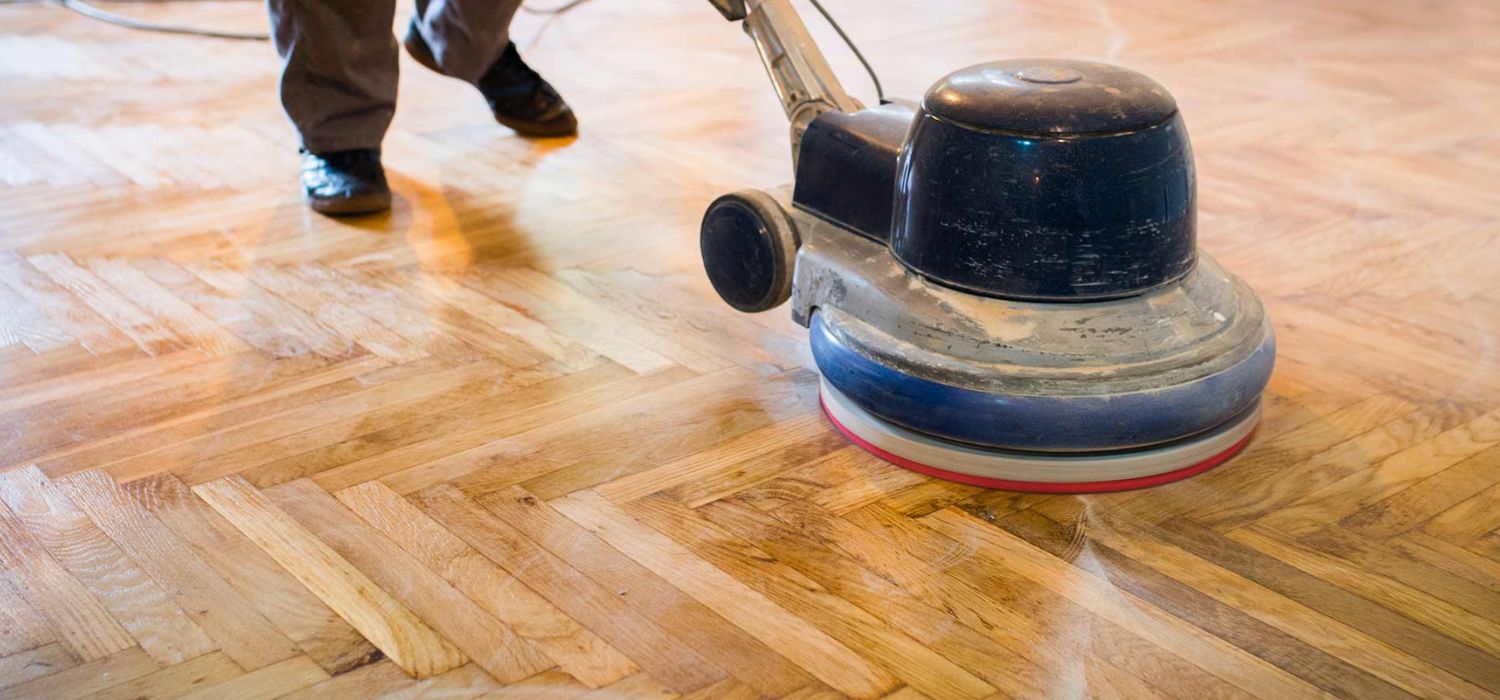
Restore the Natural Beauty of Your Timber Floors with Expert Sanding Services
Timber floor sanding is a crucial process for restoring and maintaining the beauty of wooden floors. Whether you're dealing with aged timber, scratches, or dull finishes, expert floor sanders on ServiceTasker can bring your timber floors back to life. Using professional-grade equipment, specialists carefully sand the top layer of your floors to remove imperfections, old coatings, and surface damage, revealing fresh timber underneath.
The process involves multiple sanding passes with coarse to fine grits for a smooth, even finish. Once sanded, experts apply high-quality finishes like varnish, oil, or stain to protect and enhance the natural look of your wood.
Post your job today on ServiceTasker to get FREE quotes from trusted local timber floor sanding companies. Easily compare prices, services, and reviews to hire the right professional near you.
Your Future Timber Floor Sanding Hero Is Just One Task Away — Let’s Find Them
Rated 5.0 Stars for Timber Floor Sanding Serving Australia-Wide
Backed by 5 customer reviews via ServiceTasker.
Timber Floor Sanding Genuine Reviews
Browse feedback from customers who hired Timber Floor Sanding through ServiceTasker. We feature reviews verified by Google and Facebook to help you select the right tradie with confidence.
Abdul and his team delivered a truly commendable performance on this project. Despite the scale of the task, their efficiency and dedication were evident. The work was not only completed to a high sta...
I was impressed with Jimmy Zhang’s professionalism and customer service. My flooring job was an urgent one, as my apartment needed to be ready for tenants within 3 weeks just before Christmas . Jimmy...
Excellent work by MTE flooring team. Tony was very informative from the start and advised us looking at current trends. Simon and his family who came in later to do the work was extremely efficient, t...
I recently had hybrid flooring installed in my home, and I couldn't be happier with my choice of going with MTE flooring! I am truly impressed by the quality and craftsmanship. The finish is stunning,...
Tony is highly professional sales in the flooring field. He communicated very well, respected my thoughts and adjusted plan quickly upon my changed time schedule. He is trust worthy person. The floori...
"I had the pleasure of working with Tony and his team for my floor installation. The price was very reasonable, and the level of expertise was outstanding. The attention to detail during the carpet re...
Tony was great to deal with during the initial quote stage and was always very polite and professional. The installers did a fantastic job and the finished result has made such a big difference to the...
Rob was very quick to quote, courteous and professional. You get the impression very quickly that he is experienced and knows exactly what he is doing. He had great ideas for improvement and delivers...
We’ve used All Floors for two jobs. First job we are so happy with - installation organised promptly, work was done well and they left the area clean. Second job was a small urgent job that they went...
The Common Mistakes in a Timber Floor Sanding That Should Be Avoided
- Skipping the Grit Levels: Changing the grit levels too quickly, such as from a coarse grit to a fine one, can cause some deep scratches in the wood. You should work your way through each grit level in a gradual manner to be able to guarantee you get a seamless finish.
- Using an Old or a Dull Sandpaper: Using an old or a dull sandpaper might result in an uneven level of sanding. Your sandpaper should be changed on a frequent basis to be able to preserve its effectiveness and its quality.
- An Inconsistent Sanding Pressure: Your floor may get some gouges and some dips if an uneven level of pressure is applied to it. You should sustain a consistent level of pressure and should allow the sanding equipment to handle the task.
- Not Sanding the Floor Enough: Any old finishes and any stains may remain if the operation is hurried and is not sanded in a thorough manner. So, you can ensure you will sand every area of your floor completely before you go on to the next grit.
- Ignoring the Edges and the Corners: of Your Floor: An uneven finish may arise from an improper sanding of your floor's edges and its corners. You should be sure to sand these sections by hand or by using an edge sander.
- Not Vacuuming and Wiping the Floor Between a Sanding: Any dust and any debris from the sanding's grits can leave your floor with some scratches and some other defects. You should be sure to thoroughly clean your floor in between each sanding step.
- Sanding Against the Grain of the Wood: Sanding your floor against the grain of the wood might result in a rough surface and some new scratches. You should always be sure to sand your floor in the direction of the wood's grain for a smooth finish.
- Ignoring the Final Finish: Your wood will become susceptible to harm if a protective finish is not applied to it. You should be sure to seal your floor with a varnish, an oil, or a stain to be able to preserve and to accentuate the wood.
- Over-Sanding Your Floor: Sanding your floor too much can thin the wood and can shorten its life. You should be sure to sand the surface just enough to be able to remove any flaws and the previous finish.
- Ignoring Any Safety Precautions: You may be exposed to a lot of dust and debris if you do not wear any protective gear, like some masks and some goggles. You should always be sure to abide by all the safety procedures to be able to safeguard your well-being.
A Timber Floor Sanding — How Much It May Cost You (in m²)
Several different variables can significantly affect the cost of sanding a timber floor, and these can include your floor's condition, your chosen finish type, and your room's accessibility. Below are some broad estimates that are based on the industry's standards:
- Per Square Metre: A professional timber floor sanding will typically cost you from $30 to $65 per square metre, and this will depend on the finish and the level of preparation that is required.
- For a Compact Space (from 10 to 20 m²): Sanding a small-sized room may cost you between $300 and $1,300, and this will be based on your floor’s condition and the services that are needed.
- For a Medium-Sized Room (from 20 to 40 m²): For a moderate-sized room, you should expect the cost to range from $600 to $2,600.
- For a Large-Sized Space (of over 40 m²): Any bigger areas will typically cost you from $1,200 to $5,200+, and this will depend on the complexity of the job and your desired finish.
The Factors That Can Affect the Cost of a Timber Floor Sanding
- The State of Your Flooring: Any significantly damaged, any discoloured, or any uneven floors might need a more thorough level of sanding and some repairs, which would raise the price of the job.
- The Sort of Finish That is to be Removed: Any old and thick coatings of a paint or a varnish can be more expensive and more labour-intensive to be removed.
- The Location of the Service: The cost of the labour in a given area and the availability of any qualified workers might have an affect on the price.
- Any Extra Services: Any additional services that will raise the overall cost can include a staining, a sealing, and a restoring of any damaged boards. For a staining service, these will normally cost you between $1 and $3 per square foot, and for a sealing service, they will cost you between $2 and $4.
- Any Furniture Assembly and Removal: There can be some extra fees if the contractor has to relocate any of your furniture or if they have to do a lot of preliminary work.
Your Future Timber Floor Sanding Hero Is Just One Task Away — Let’s Find Them
How to Use ServiceTasker to Hire Timber Floor Sanding
Place A Request
Answer all questions matching your needs. Choose the size and state of your wooden floors, any particular problems, and the result you hope to achieve. You can include photos to help professionals visualise the work. This makes sure that your request reaches the appropriate professionals.
Receive FREE Quotes
You will get several free quotes from qualified timber floor sanding contractors. Compare these estimates according to the cost, the services provided, and the feedback left by previous clients. To acquire more information and ask any questions, you can message experts.
Hire Floor Sanding Experts
Hire the ideal specialist for your needs immediately through our platform. All tasks can be scheduled and details can be completed. You can engage vetted, trustworthy specialists with confidence.
Related Categories for Floor Sanding and Polishing Services
Find Timber Floor Sanding in States
- Timber Floor Sanding in Victoria
- Timber Floor Sanding in Queensland
- Timber Floor Sanding in New South Wales
- Timber Floor Sanding in South Australia
- Timber Floor Sanding in Western Australia
- Timber Floor Sanding in Australian Capital Territory
- Timber Floor Sanding in Tasmania
- Timber Floor Sanding in Northern Territory
Still Looking?
Let ServiceTasker connect you with the best Timber Floor Sanding near you — safe, trusted, and affordable.
Recent Job Listings and Hires in the Timber Floor Sanding
Require sanding and coating to 46 m2 of solid timber floor.
One timber panel is damaged and will need need to be replaced to repair
If you cannot do repair then do NOT reply to this job as repair must be included.
Invoice with valid ABN must be supplied.
No nail punching puttying needed
Answers to Your Common Questions
The time depends on the size and state of the floor. Sanding, finishing, and drying a regular room can take one to two days.
Most surface stains and scratches can be removed with sanding. Deep scratches or strong stains might need more care or repairs.
The best way to sand a timber floor is to use an edge sander on corners and edges and a drum sander on the main regions. To remove outdated finishes, start with coarse-grit sandpaper and later use finer grits for a smooth finish. Sand should always be applied with the grain of the wood.
Your preference for durability and attractiveness will determine the finish. Wax, oil, and polyurethane ( water- or oil-based) are common choices. A specialist can assist you in weighing the advantages and disadvantages of each type.
Although sanding might create dust, professional services frequently employ dustless sanding tools to reduce cleanup. To stop dust from spreading, it's a good idea to cover furniture and close off adjacent rooms.
Walking on the floors after sanding should be avoided until dryness restoration. Usually, it takes between 24 and 48 hours for the finish to become sufficiently dry for minimal foot activity. It is recommended to wait until the finish has had a full 72 hours to cure before rearranging furniture.