Sorry, No House Restumping Experts Available in Canberra Airport
Our network of trusted House Restumping experts is growing, and we’re continuously onboarding verified specialists in your area. In the meantime, you can browse professionals in nearby locations or across the state.
When is Restumping Necessary?
Identifying the warning signs of foundation failure early is crucial for protecting your property. If you observe these common structural symptoms, your home likely requires professional restumping to prevent further damage. Do not ignore the following indicators:
- Visible decay, rot, or deterioration in timber stumps.
- Flooring that is noticeably uneven, sloping, or sagging.
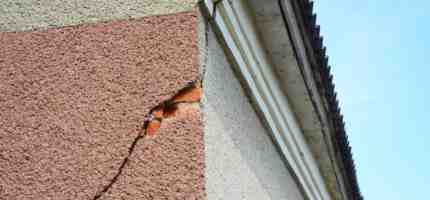
- Internal or external wall cracks appearing or widening.
- Doors and windows becoming jammed, sticking, or misaligned.
- Gaps appearing between the walls, skirting boards, and ceilings.
- Stumps sinking or settling due to soil movement.
- Signs of water damage or moisture pooling around the foundation.
- Evidence of termite damage or borer infestation in wood stumps.
- Recurring structural issues despite frequent cosmetic repairs.
- Excessive dampness, musty smells, or mold in the subfloor crawl space.
- Floors feel bouncy, springy, or spongy underfoot.
- Significant foundation shifting caused by reactive soil conditions.
- Excessive creaking or noise when walking across floorboards.
- Existing timber or concrete stumps have exceeded their expected lifespan.
Restumping Materials: Timber vs. Concrete Stumps
Choosing the right material is vital for structural longevity. Timber is often less expensive and easier to handle, making it common in older homes, yet it requires higher maintenance. Concrete stumps represent a superior long-term investment due to their strength and resistance to decay, despite being more labour-intensive to install. Below is a comparison to help you choose the best restumping solution.
Durability
- Timber: Susceptible to rot, termites, and moisture damage over time.
- Concrete: Highly resistant to decay, moisture intrusion, and pest infestation.
Lifespan
- Timber: Typically lasts 15 to 30 years depending on soil conditions.
- Concrete: Can endure for 50 years or more with minimal degradation.
Cost
- Timber: Generally offers a lower upfront material cost.
- Concrete: Higher initial investment but offers reduced long-term maintenance costs.
Installation
- Timber: Lightweight and easier to cut to size on-site.
- Concrete: Heavier and more labour-intensive to transport and level.
Strength
- Timber: Suitable for lightweight frames but structural integrity declines with age.
- Concrete: High load-bearing capacity, ideal for heavier or larger structures.
Resilience to External Elements
- Timber: Vulnerable to weathering, particularly in damp or termite-prone areas.
- Concrete: Excellent stability and weather resistance in all climate conditions.
Aesthetic Appeal
- Timber: Often selected for heritage or period homes to maintain authentic character.
- Concrete: Functional and modern, typically hidden behind baseboards or cladding.
Environmental Impact
- Timber: Can be environmentally friendly if sustainably sourced, but treatments involve chemicals.
- Concrete: durable solution requiring fewer replacements, though production has a carbon footprint.
Maintenance
- Timber: Requires regular inspections and potential pest control treatments.
- Concrete: A "set and forget" solution requiring minimal maintenance after installation.
Suitability
- Timber: Best suited for smaller renovations or heritage-listed properties.
- Concrete: Ideal for modern homes and areas with high soil moisture or termite risk.
Near By Suburbs Of Canberra airport On ServiceTasker
- House Restumping in Ainslie
- House Restumping in Aranda
- House Restumping in Belconnen
- House Restumping in Braddon
- House Restumping in Bruce
- House Restumping in Charnwood
- House Restumping in Crace
- House Restumping in Deakin
- House Restumping in Dunlop
- House Restumping in Evatt
- House Restumping in Fisher
- House Restumping in Giralang
- House Restumping in Gungahlin
- House Restumping in Hackett
- House Restumping in Harrison
- House Restumping in Kaleen
- House Restumping in Kambah
- House Restumping in Latham
- House Restumping in Lyneham
- House Restumping in Macquarie
- House Restumping in Mawson
- House Restumping in Monash
- House Restumping in Narrabundah
- House Restumping in Ngunnawal
- House Restumping in O'Connor
- House Restumping in Phillip
- House Restumping in Torrens
- House Restumping in Tuggeranong
- House Restumping in Wanniassa
- House Restumping in Watson
- House Restumping in Canberra

![How Much Does Restumping a House Cost? [2026]](https://servicetasker.com.au/storage/2026/05/thumb_1779885283.jpg)
Find trusted local Canberra Airport House Restumping pros in minutes For free
Answers to Your Common Questions
Signs that your home may need restumping include visible cracks in walls, uneven floors, and doors or windows that stick or don't close properly. These indicate potential issues with the foundation or stumps supporting your home.
The time needed for restumping varies depending on the size of your home and the extent of the damage. It generally ranges from a few days to a few weeks. The process involves assessing the current stumps, replacing them if necessary, and ensuring the structural integrity of your home.
The cost of restumping is influenced by several factors, such as the number of stumps needing replacement, the type of materials used (e.g., timber or concrete), accessibility to the site, and any additional repairs required, like fixing cracks or levelling floors.
Yes, there are different methods of restumping. Traditional methods involve using concrete to reinforce existing stumps, while modern techniques like resin injection or steel screw piles offer quicker and less invasive alternatives depending on your home's specific needs.
When choosing a restumping contractor, look for someone who is licensed, insured, and experienced in structural work. They should comply with local building codes and have a proven track record in restumping homes.
Reputable restumping contractors typically offer warranties or guarantees on their workmanship and materials. These warranties ensure that any issues arising from the restumping process are covered, providing peace of mind regarding the quality and durability of the repairs.