Why Possums Are Protected By Law In Australia (And Related Rules)
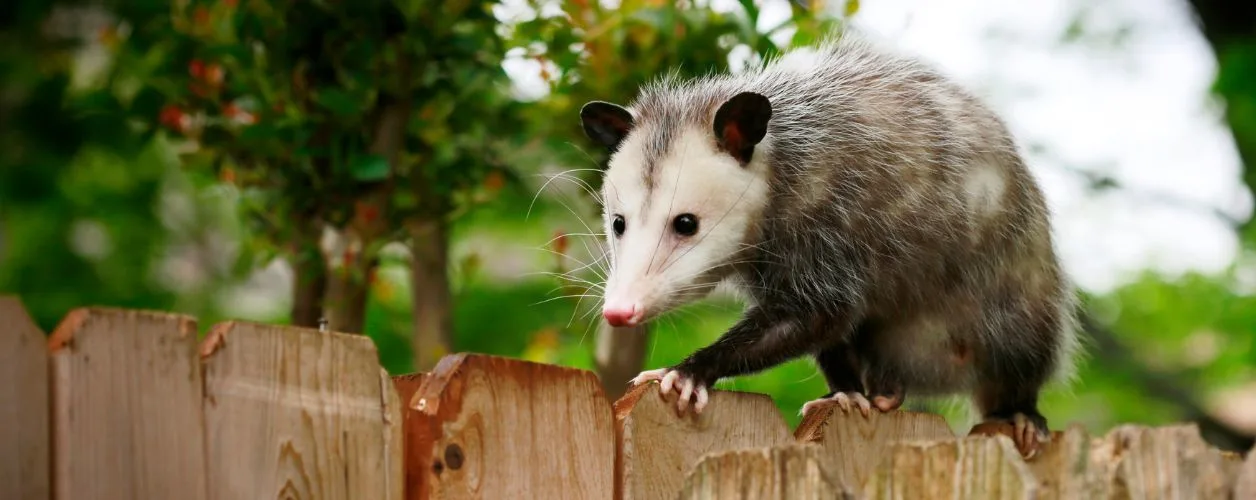
Table Of Content
- Introduction
- Native Status and Ecosystem Role
- Legal Protection Across States and Territories
- Rules on Handling and Relocating Possums
- Feeding and Interaction Guidelines
- Exceptions and Licences
- Why These Laws Matter
- Conclusion
Possums are one of Australia’s most iconic native animals, hopping through our backyards and bushlands, often under the cover of night. While they may sometimes be seen as a nuisance—chewing on roofs or rummaging through fruit trees—they play a crucial role in our ecosystem.
Because of their importance, possums are protected under Australian law, meaning it’s illegal to harm, capture, or keep them without a licence. Understanding these protections and the rules around handling possums isn’t just about avoiding fines—it’s about respecting wildlife and supporting biodiversity.
In this guide, we’ll explain why possums are legally protected, what the laws mean for homeowners and wildlife enthusiasts, and how to interact with possums responsibly.
Native Status and Ecosystem Role
Possums are native Australian marsupials, meaning they’ve evolved here over millions of years and are an integral part of the country’s biodiversity. They aren’t just cute visitors—they serve important ecological functions:
1. Pollination
- Many possum species feed on nectar from native flowers, transferring pollen as they move from plant to plant.
- This helps maintain healthy plant populations and supports other wildlife that relies on those plants.
2. Seed Dispersal
- By eating fruits and defecating seeds elsewhere, possums help regenerate native forests and gardens.
- Their foraging aids the growth of native plants, which in turn support birds, insects, and other animals.
3. Maintaining Biodiversity
- Possums are part of a complex food web, serving as prey for larger predators while also controlling insect populations.
- Protecting possums helps maintain ecological balance across urban and rural areas.
By understanding their vital role, it’s clear why possums are given legal protection—removing or harming them could disrupt entire ecosystems.
Legal Protection Across States and Territories
In Australia, possums are protected native wildlife, and the rules around them vary slightly depending on the state or territory. However, the core principle is consistent: you cannot harm, capture, or keep possums without a licence.
1. Federal and State Legislation
- Federal law recognises possums as part of Australia’s native fauna, providing overarching protections.
- State laws enforce specific regulations for possession, relocation, and handling.
2. Examples by State
- New South Wales (NSW): Protected under the Biodiversity Conservation Act 2016. Heavy fines apply for illegal capture or harm.
- Victoria: Covered by the Wildlife Act 1975. Only licensed wildlife carers or veterinarians may handle possums.
- Queensland: Governed by the Nature Conservation Act 1992. Possums must not be removed from the wild without authorisation.
- Western Australia: Protected under the Biodiversity Conservation Act 2016. Strict rules for eviction and relocation.
3. Penalties
- Illegal capture, harm, or keeping of possums can result in fines, prosecution, and even imprisonment.
- Enforcement aims to protect wildlife populations and ensure ethical treatment.
In short, while possums may appear common in suburban areas, they are legally recognised as valuable native wildlife, and the law strictly regulates interactions with them.
Rules on Handling and Relocating Possums
Even when possums become a nuisance—such as nesting in roofs or gardens—there are strict legal and ethical rules for handling and relocation.
1. Only Licensed Individuals Can Handle Possums
- Wildlife carers, veterinarians, or authorised personnel are legally allowed to capture or move possums.
- Unlicensed handling can cause stress, injury, or death and is illegal.
2. Humane Eviction from Properties
- If a possum is in your roof or garden, eviction must be non-lethal and humane.
- Techniques include installing one-way exits or encouraging them to leave naturally without trapping or harming them.
3. Prohibited Actions
It is illegal to:
- Kill, poison, or trap possums without a licence.
- Keep them as pets.
- Relocate them yourself without permission.
4. Reporting and Assistance
- Many councils provide guidance or services to safely remove possums.
- Contact your local wildlife rescue organisation for advice before taking any action.
Following these rules ensures possums are treated ethically, while keeping you on the right side of the law.
Feeding and Interaction Guidelines
Interacting with possums can be rewarding, but Australia’s wildlife laws and best practices emphasise responsible behaviour.
1. Avoid Feeding Human Food
- Foods like chocolate, avocado, processed snacks, alcohol, and caffeine are toxic to possums.
- Only feed safe, natural foods such as native fruits, leaves, flowers, or specially formulated possum pellets.
2. Keep a Respectful Distance
- Possums are wild animals and may become stressed if approached too closely.
- Observing from a distance allows them to forage naturally without interference.
3. Avoid Petting or Capturing
- Possums should never be handled casually or kept as pets.
- Untrained handling can cause injury to both humans and the possum, and is illegal without a licence.
4. Educate Others
- Neighbours and visitors should also understand safe feeding and interaction practices.
- Community awareness helps protect possums while reducing human-wildlife conflicts.
By following these guidelines, you can enjoy possums safely and support their natural behaviours without breaking the law.
Exceptions and Licences
While possums are generally protected, there are specific circumstances under which individuals or organisations may legally interact with them. These exceptions are tightly regulated to ensure wildlife safety and conservation.
1. Who Can Obtain a Licence
- Licensed wildlife carers for rehabilitation or rescue.
- Veterinarians treating injured or sick possums.
- Researchers or conservationists conducting approved studies.
2. Purpose of Licences
- To rescue, treat, or relocate injured or orphaned possums.
- To support scientific research or conservation programs.
- To manage possum populations humanely in areas of ecological concern.
3. Responsibilities of Licence Holders
- Must adhere to strict animal welfare standards.
- Record keeping and reporting are often required.
- Illegal use of a licence, or exceeding its conditions, can result in penalties or licence revocation.
These rules ensure that any handling of possums is ethical, safe, and beneficial for both the animals and the wider ecosystem.
Why These Laws Matter
Protecting possums through legislation isn’t just about following rules—it’s about preserving Australia’s unique wildlife and ecosystems.
1. Protecting Native Populations
- Possums are vital to pollination, seed dispersal, and biodiversity.
- Legal protections prevent unnecessary harm or decline in possum numbers.
2. Reducing Human-Wildlife Conflicts
- Clear rules on handling and eviction help prevent property damage while keeping possums safe.
- Encourages humane solutions rather than lethal methods.
3. Ethical and Ecological Considerations
- Possums are wild animals, not pets, and deserve respectful treatment.
- Conserving native wildlife supports healthy ecosystems for all species, including humans.
4. Supporting Responsible Coexistence
- By following the laws, homeowners can enjoy observing possums without endangering them.
- Helps foster a culture of wildlife conservation in urban and rural areas.
These laws ensure that possums can continue to thrive while humans coexist safely and responsibly.
Conclusion
Possums are an essential part of Australia’s natural heritage, playing vital roles in pollination, seed dispersal, and ecosystem balance. Their legal protection ensures that these native marsupials are treated humanely and preserved for future generations.
Understanding the rules around possums—such as who can handle them, how to safely evict them from roofs, and what foods are safe to feed—is not just a legal requirement but also an ethical responsibility. By respecting these protections, Australians can coexist safely with possums, supporting biodiversity while minimising conflict.
Whether observing them in your backyard or taking action to protect them, always remember: possum protection is about wildlife, safety, and responsibility.
YOU MIGHT ALSO BE INTERESTED IN

Capital Cities
- Pest Control Services Services in Melbourne
- Pest Control Services Services in Brisbane
- Pest Control Services Services in Sydney
- Pest Control Services Services in Adelaide
- Pest Control Services Services in Perth
- Pest Control Services Services in Canberra
- Pest Control Services Services in Hobart
- Pest Control Services Services in Darwin