Difference Between Possum And Rat
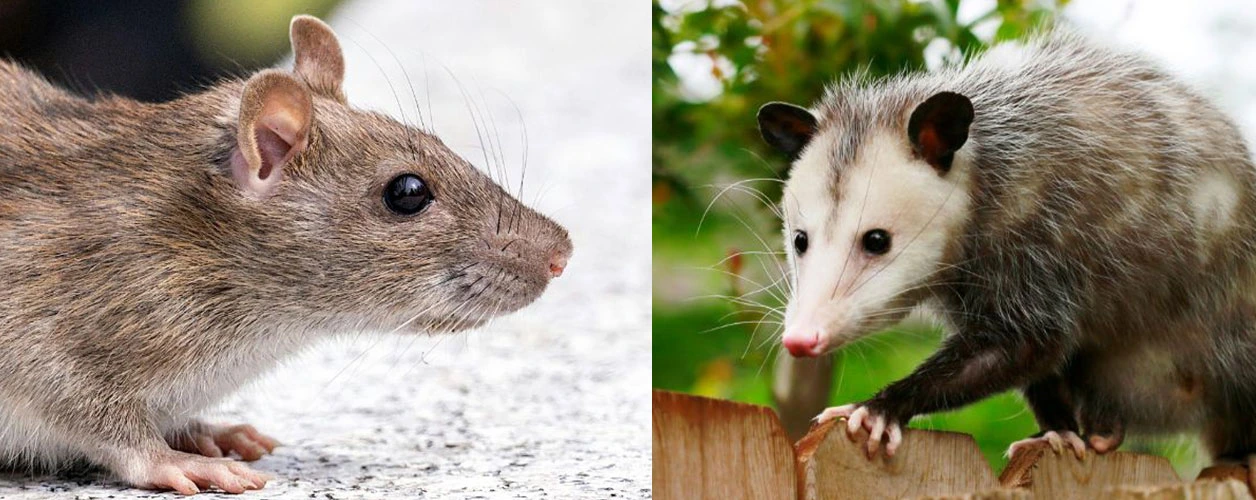
Table Of Content
- Introduction
- Physical Appearance
- Behavioural Differences
- Diet
- Habitat
- Droppings & Signs
- Risks & Concerns
- Legal & Ethical Considerations
- Conclusion
It’s late at night, you hear scratching in the roof, and your first thought is—rat. But what if it’s actually a possum? In Australia, this mix-up happens all the time. While rats and possums may share a few similarities (nocturnal habits, love for shelter, and some questionable late-night noises), they’re very different animals.
Knowing the difference isn’t just trivia—it’s crucial. Rats are considered pests that spread disease and cause property damage, while possums are protected native wildlife that must be handled with care.
In this blog, we’ll break down the key differences between possums and rats so you can quickly tell who’s sharing your roof and respond appropriately.
Physical Appearance
At first glance in the dark, possums and rats might look similar—but once you know what to look for, they’re easy to tell apart.
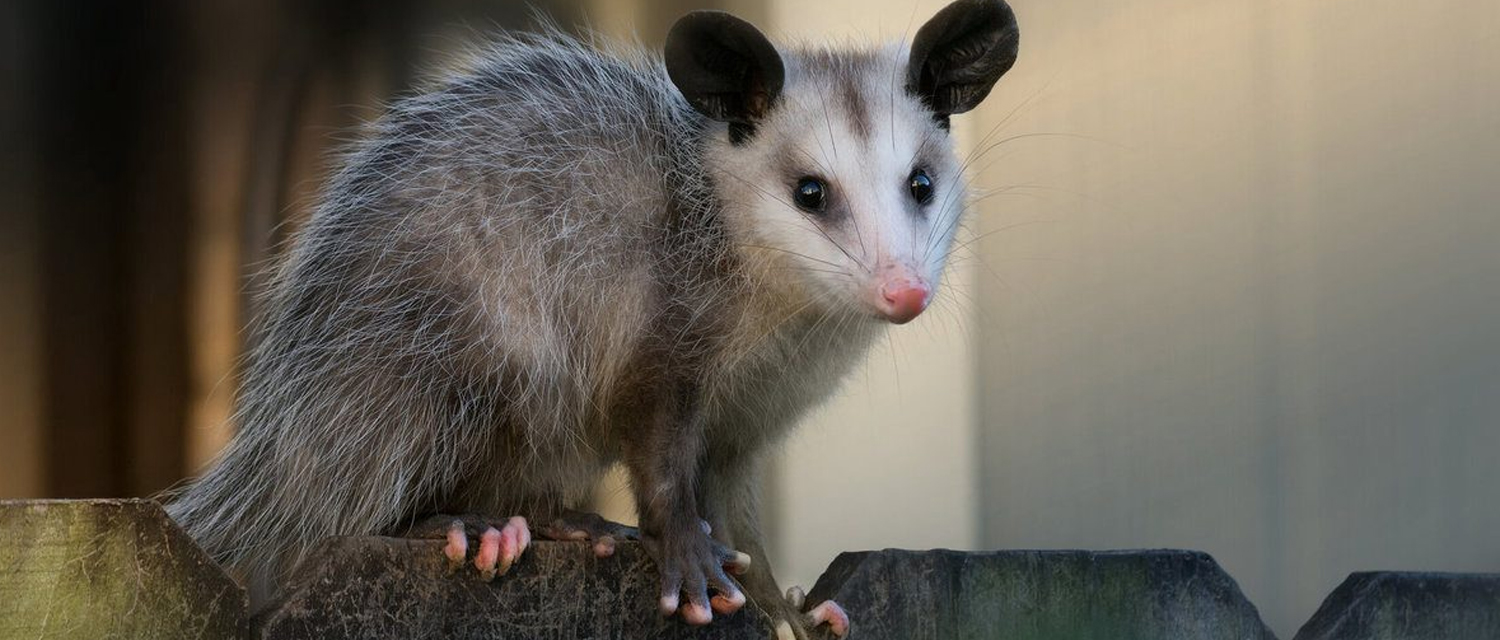
Possum
- Size: Larger than rats, often similar to a small cat.
- Fur: Thick, soft fur that can range from grey to brown.
- Tail: Long and bushy (brushtail) or slender and slightly furry (ringtail).
- Face: Rounded snout, big eyes, and large ears—giving them a more “cute” look.
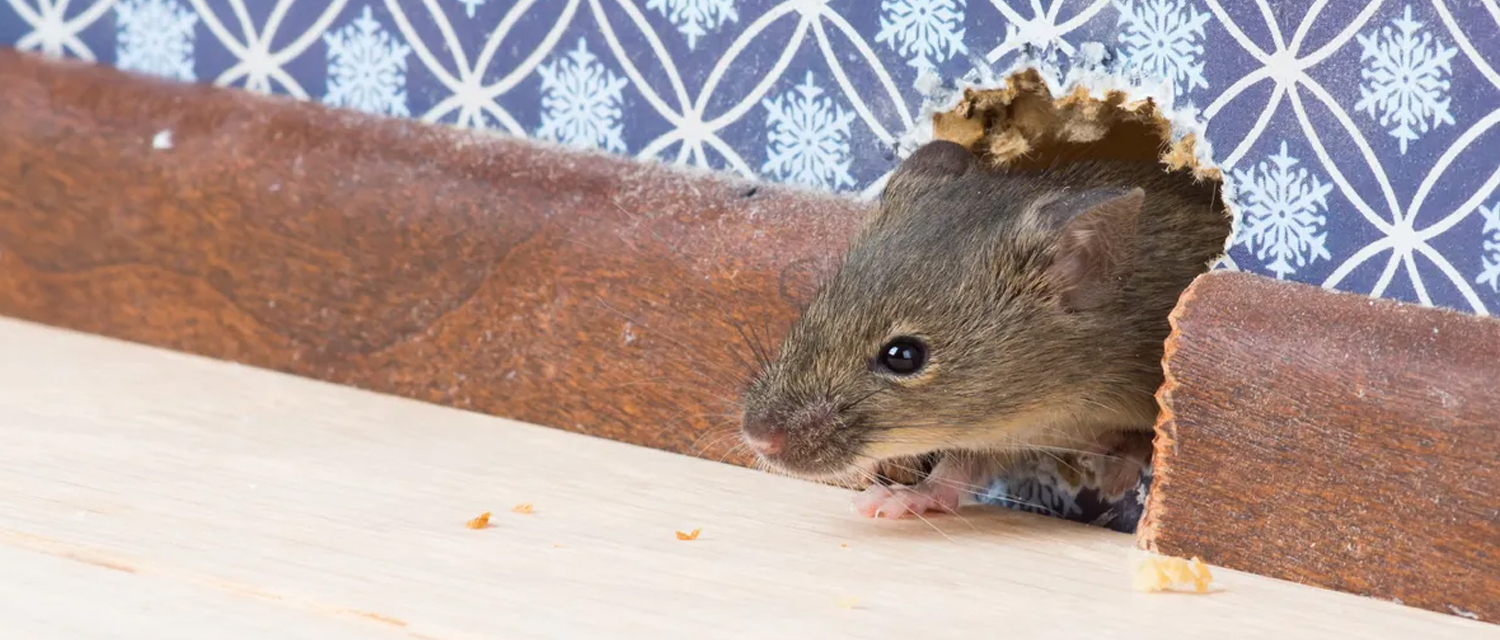
Rat
- Size: Much smaller, usually 20–40 cm long, including the tail.
- Fur: Coarse, short hair, often brown, black, or grey.
- Tail: Long, thin, hairless, and scaly.
- Face: Pointed snout with small ears and sharp features—classic “rodent” look.
So if the critter you spotted has a bushy tail and big eyes, it’s likely a possum. If it’s sporting a thin, hairless tail, you’ve probably got a rat.
Behavioural Differences
Beyond looks, possums and rats behave very differently—especially when it comes to their daily habits and how they interact with humans.
Possum
- Nocturnal: Active mainly at night, sleeping during the day.
- Territorial: Defend their nesting spots (like your roof) with hissing, growling, or thumping.
- Solitary: Usually live alone or in small family groups.
- Climbers: Excellent at scaling trees, fences, and even roofs.
Rat
- Opportunistic: Constantly scavenging for food, often around bins and kitchens.
- Social: Live in colonies with structured hierarchies.
- Burrowers: Good at digging tunnels and nesting in walls, sewers, or under floors.
- Highly Reproductive: Breed rapidly, leading to large infestations in a short time.
In short, possums are tree-dwelling loners, while rats are colony-living opportunists.
Diet
What possums and rats eat is another key way to tell them apart. Their diets reflect their natural habits and survival strategies.
Possum
- Primarily herbivorous, feeding on leaves, flowers, fruits, and sometimes small insects.
- Often forages in trees or gardens, nibbling on native plants or fruit trees.
- Diet varies depending on species and seasonal availability.
Rat
- Omnivorous scavengers eat almost anything edible.
- Frequently feed on human food scraps, garbage, and stored pantry items.
- Highly adaptable, which helps them thrive in urban environments.
So, if you notice chewed leaves or fruit in your garden, it’s likely a possum. If kitchen scraps or gnawed packaging disappear overnight, a rat is the probable culprit.
Habitat
Where possums and rats live can give you major clues about who’s been visiting your property.
Possum
- Prefer trees, roof cavities, and bushland.
- Often make nests in attics or roof spaces if trees are nearby.
- Typically, they stay in one area and return to the same shelter repeatedly.
Rat
- Prefer urban environments, including walls, sewers, under floors, and rubbish areas.
- Can burrow into the ground or occupy hidden nooks inside homes.
- Highly mobile and opportunistic, moving between food and nesting sites frequently.
Simply put, possums are tree and roof dwellers, while rats are burrowers and scavengers, often closer to human food sources.
Droppings & Signs
Checking droppings and other signs is one of the most effective ways to tell possums and rats apart.
Possum
- Droppings: Larger, pellet-like, often containing seeds or fruit remnants.
- Location: Roof cavities, attics, under eaves, or gardens near fruit trees.
- Other Signs: Scratching or thumping in the roof, chewed leaves or fruits, possum hair in nests.
Rat
- Droppings: Small, smooth, dark brown or black, pointed at the ends.
- Location: Along walls, cupboards, pantries, or near food sources.
- Other Signs: Gnaw marks on wood or packaging, greasy rub marks along walls, nests made of shredded materials.
By observing droppings, sounds, and damage patterns, homeowners can quickly identify which species they’re dealing with.
Risks & Concerns
Possums and rats present very different levels of risk to humans, pets, and property.
Possum
- Property Nuisance: Can damage roofs, gutters, and insulation when nesting.
- Noise & Odour: Scratching, thumping, and droppings can be disruptive.
- Minimal Disease Risk: Generally, they are not carriers of dangerous diseases that affect humans.
- Protected Species: Must be handled humanely and legally.
Rat
- Health Risks: Can transmit diseases such as leptospirosis, salmonella, and hantavirus.
- Property Damage: Chew wiring, insulation, and wooden structures—potentially dangerous.
- Rapid Reproduction: Can quickly lead to large infestations if unchecked.
- Pest Status: Can be controlled or exterminated under Australian law.
Understanding these risks helps determine the appropriate response: pest control for rats versus humane management for possums.
Legal & Ethical Considerations
When dealing with possums and rats, it’s important to understand the laws and ethical responsibilities in Australia.
Possum
- Protected Wildlife: Possums cannot be trapped, relocated, or harmed without a licence.
- Humane Treatment: Any possum removal must be done in a way that does not injure or stress the animal unnecessarily.
- Local Council Guidelines: Many councils offer advice or services for safe possum eviction.
Rat
- Pest Status: Rats are considered pests and can legally be controlled or exterminated.
- Ethical Considerations: Humane traps or pest control services are preferred to reduce unnecessary suffering.
- Prevention: Maintaining clean spaces and sealing entry points is both legal and effective.
Following the law ensures you protect native wildlife while responsibly managing pests.
Conclusion
- While possums and rats may share a few similarities, they are fundamentally different in appearance, behaviour, diet, habitat, and legal status.
- Possums are larger, tree-dwelling marsupials with bushy tails, primarily herbivorous diets, and protected status under Australian law.
- Rats are smaller, burrowing rodents with thin, hairless tails, omnivorous diets, and are considered pests that can spread disease and damage property.
Recognising the difference is important for health, property management, and wildlife protection. By understanding their signs—droppings, sounds, and damage—you can respond appropriately: humane management for possums and pest control for rats.
Respecting possums as native wildlife and managing rats responsibly ensures a safe, balanced coexistence in Australian homes and gardens.
YOU MIGHT ALSO BE INTERESTED IN
Capital Cities
- Pest Control Services Services in Melbourne
- Pest Control Services Services in Brisbane
- Pest Control Services Services in Sydney
- Pest Control Services Services in Adelaide
- Pest Control Services Services in Perth
- Pest Control Services Services in Canberra
- Pest Control Services Services in Hobart
- Pest Control Services Services in Darwin