Choose From the Finest Excavation Near You

Alfie’s Dirt Work
Request a Quote
Limitless Excavation Services
Request a QuoteLimitless Excavation Services offers top-tier excavation and retaining wa...
Ankermann.pty.ltd
Request a Quote
Campbell’s Locating Services
Request a Quote
Collier Contracting
Request a Quote
Onedig
Request a Quote
Dundowran Mini Excavations
Request a Quote
Sjcomms
Request a Quote
Ddc Earthworks & Landscaping
Request a Quote
Reeves Site Services
Request a Quote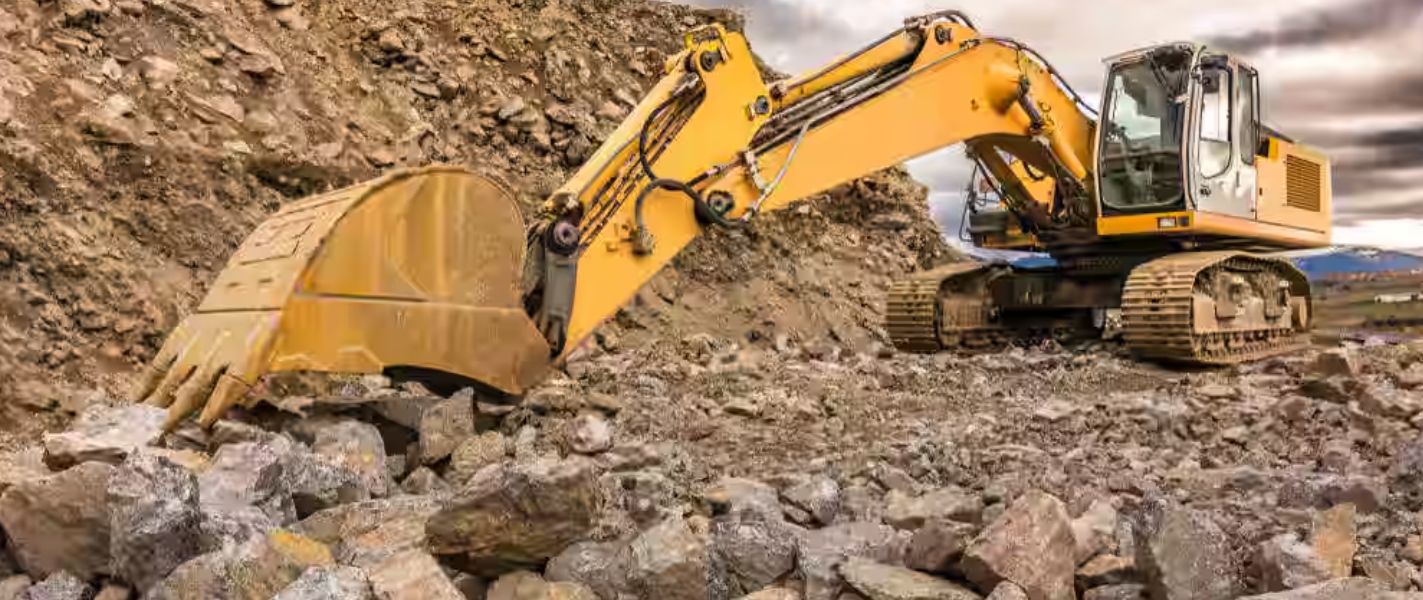
Safe And Trusted Excavation Services: Find Experts Near You
Your Future Excavation Hero Is Just One Task Away — Let’s Find Them
Rated 0.0 Stars for Excavation Serving Australia-Wide
Backed by 0 customer reviews via ServiceTasker.
Excavation Genuine Reviews
Browse feedback from customers who hired Excavation through ServiceTasker. We feature reviews verified by Google and Facebook to help you select the right tradie with confidence.
Hired a machine this weekend, nice new piece of equipment very friendly helpful staff
What Tools Are Used in the Process?
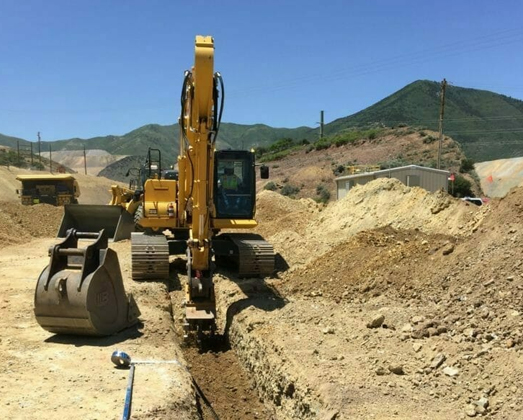
To efficiently handle tasks ranging from small-scale digging to large earthmoving projects, professionals use a variety of specialized equipment. Some of the most common tools include:
- Excavators: Versatile machines ideal for digging, lifting, and loading heavy materials. They feature a bucket attached to a powerful hydraulic arm.
- Backhoes: Compact and multi-functional, these machines are used for digging, trenching, and loading. They have a loader bucket at the front and a digging arm at the back.
- Bulldozers: Large and powerful, bulldozers are used for grading and leveling terrain. They have a wide blade at the front to push soil, debris, and other materials.
- Dump Trucks: Essential for transporting excavated materials such as soil, rubble, or gravel away from the site.
- Compactors: Heavy-duty machines with plates or rollers that compress soil, gravel, or asphalt to ensure proper ground compaction and stability.
Your Future Excavation Hero Is Just One Task Away — Let’s Find Them
What Services Are Included In The Process?
To meet the demands of any project, these services include a variety of specialised procedures. Below are some of the key processes involved:
- Site evaluationA comprehensive assessment is conducted before work begins to determine soil composition, groundwater levels, topography, and any potential risks.
- Clearing and grubbingThis step involves removing vegetation, existing structures, and debris to prepare the area for development.
- EarthmovingBased on project requirements, machinery such as backhoes and bulldozers is used to remove soil, rock, and other materials when the actual digging process begins.
- TrenchingTrenches are dug to ensure the proper placement and alignment of utilities, including electrical conduits, water pipes, and sewage lines.
- Grading and compactionAfter the initial work, the land is graded to create the required slope, and compaction is performed to enhance stability and load-bearing capacity. This step is especially important when preparing a site for retaining walls, which require a stable base to ensure long-term structural integrity.
Average Cost and Factors Affecting Pricing
For residential projects, large commercial and specialty jobs may cost more than the standard range of $1,500 to $5,000. However, the average price can vary significantly. Several factors influence these expenses:
- Project size and scope: Larger jobs require more time, equipment, and personnel, resulting in higher costs. For example, preparing a site for a large basement or substantial foundation will cost more than smaller landscaping tasks.
- Depth of digging: Deeper work requires additional labour and more advanced equipment, increasing overall costs. Swimming pools and deep basements are prime examples where depth significantly impacts pricing.
- Geographic location: Costs may vary based on local labour rates, regulations, and material expenses. Services are often cheaper in rural areas with a lower cost of living compared to urban regions.
- Technology and equipment: Pricing differs depending on the type and quality of machinery used. While advanced equipment may have higher upfront costs, it can reduce labour requirements and increase efficiency, lowering overall expenses.
- Soil type and conditions: Ground composition greatly affects complexity. Working with rocky, wet, or clay-heavy earth is more difficult and expensive than loose or sandy soil. Additionally, contaminated land may require specialized handling and disposal, further increasing costs.
- Site accessibility: Easily accessible locations are less costly to work on. Sites with restricted access or those requiring demolition to gain entry may incur higher expenses due to the need for specialized machinery and additional labour.
- Permits and regulations: Depending on local building codes, certain permits or compliance requirements may add to the total budget. Environmental regulations, in particular, can significantly influence expenses. Custom requirements such as erosion control and soil stabilization can also increase the final price.
By considering these factors, property owners and contractors can more accurately estimate and manage the expenses associated with their projects.
Cost Guide
Still Looking?
Let ServiceTasker connect you with the best Excavation near you — safe, trusted, and affordable.
Recent Job Listings and Hires in the Excavation
Supply and install one 25 mm PVC conduit/sleeve with draw wire, by boring underneath an existing 1.5 m-wide concrete path. No retic system installation required. We only need the prelay sleeve installed from the garden side to the existing mains connection point.
Need to excavate a largely sandstone backyard (350mm above road height) for driveway and new courtyard. Plans attached
6.2 x 6 m approx. 3 degree drop to 1degree drop truck can access
What type of service do you need?
earth moving
Your preferred call time?
morning
Do you have council approval for this job?
yes
Please add more details to receive a accurate quote.?
I will send you preliminary design.
Like to give quote on compacting build envelope
Need a trench 100mm wide 600mm deep 17.5 mtrs long easy access cash payment
Answers to Your Common Questions
You can call [Phone No.] or send an email at [Email Id]. We only handle platform-related queries, not service-related queries.