How Much Does Upholstery Repair Cost?
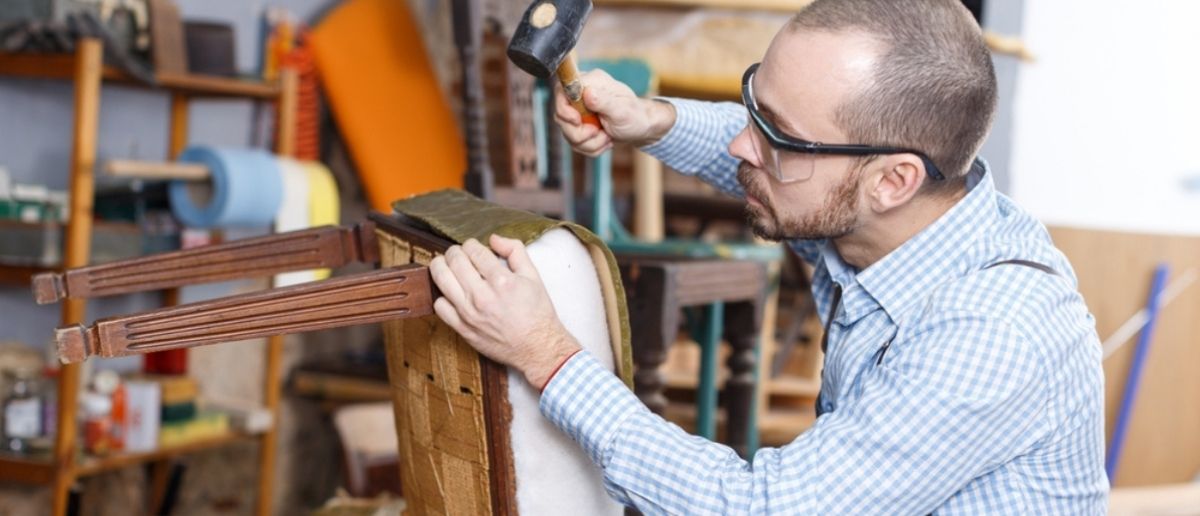
Upholstery Repair Cost: $50 to $500+
Upholstery repair costs in Australia depend on fabric type, damage severity, and labour time. You can expect to pay around $80 to $250 for standard cushion foam replacement, $150 to $350 for leather patching, and upwards of $400 for specialized marine or automotive seat repairs.
Table of Contents
- Introduction
- What Does Upholstery Repair Include?
- How Upholsterers Charge
- Typical Upholstery Repair Costs
- Cost Differences by Item and Material
- Repair vs. Full Reupholstery
- Technical Feasibility vs. Practice
- Common Misconceptions
- Factors That Increase Repair Prices
- How to Get an Accurate Quote
- How to Decide if Repair is Worth It
- Conclusion
Upholstery Repair Cost Range: $50 to $500+
How Much Does Upholstery Repair Cost in Australia?
A torn sofa or sagging cushion doesn’t always mean replacement. Upholstery repair costs vary widely depending on damage and materials. In this guide, we explain upholstery repair pricing in Australia.
Let’s break down exactly how local businesses price their services, what factors drive your final bill, and how to assess if repairing your furniture is actually worth the investment.
What Does Upholstery Repair Include?
Before you request quotes, you must understand what this service actually covers. Upholstery repair targets specific, localized damage rather than completely stripping and rebuilding the furniture.
- What: Fixing split seams, replacing collapsed cushion inserts, patching tears, restoring faded colour, and minor structural fixes like replacing springs or webbing.
- Why: Costs vary because damage severity dictates labour time. Replacing foam is quick; repairing a fixed armrest seam requires dismantling and restitching.
- How: Upholsterers charge via fixed task rates (simple jobs), hourly labour plus materials (bespoke repairs), or call-out fees for mobile services.
How Upholsterers Charge in Australia
Australian upholsterers price their work based on where the work is completed and the complexity of the task.
Fixed-Price Task Rates
For standard, repeatable jobs like replacing cushion foam. You pay a single flat fee based on dimensions and density.
Hourly Labour + Materials
For bespoke repairs. Rates span $70 to $120 per hour plus the cost of fabrics or dyes.
Mobile Service Fees
For minor on-site repairs. Call-out fees range from $80 to $150, covering travel time.
Typical Upholstery Repair Costs in Australia
Prices vary based on location, experience, and material. Use this table to understand standard pricing.
| Repair Type | Average Cost (AUD) | Pricing Structure |
|---|---|---|
| Minor Seam Repair (Removable Cover) | $50 – $90 | Fixed fee |
| Minor Seam Repair (Fixed Upholstery) | $120 – $250 | Hourly labour |
| Cushion Foam Replacement | $80 – $250 per cushion | Fixed fee |
| Dining Chair Seat Repair (Drop-in) | $60 – $120 per chair | Fixed fee |
| Leather Tear Patch & Colour Match | $150 – $350 | Hourly labour + materials |
| Replace Broken Sofa Spring / Webbing | $150 – $300 | Hourly labour + materials |
| Car Seat Bolster Repair | $200 – $500 | Hourly labour + materials |
| Boat Seat Repair / Vinyl Replacement | $150 – $400 per seat | Hourly labour + materials |
Note: These prices represent isolated repairs. Multiple panel replacements move into full reupholstery territory.
Cost Differences by Item and Material
The item you need fixed and the material covering it dramatically alter the final quote.
Leather repair requires specialized chemicals, exact colour matching, and multiple curing stages. It generally costs 20% to 40% more than fabric seam repair.
Fixed panel repairs on sofas are labour-intensive as they require dismantling. "Drop-in" dining chair seat repairs are fast and inexpensive.
Automotive and boat repairs require specialized heavy-duty materials (UV-resistant vinyl, rot-proof thread), pushing costs significantly higher.
Repair vs. Full Reupholstery: Understanding the Difference
You must explicitly distinguish between localized repairs and full reupholstery to manage your budget.
- Repair: Targets isolated damage (tears, seams, foam). Leaves 90% of the furniture untouched.
- Full Reupholstery: Strips the item to the bare frame, replaces webbing/springs/foam, and rebuilds it from scratch. Costs thousands and is reserved for high-value items.
Technical Feasibility vs. Real-World Practice
In practice, Australian upholsterers do not perform invisible fabric reweaving for standard residential furniture, as it exceeds replacement costs. They will patch visible tears, replace panels with the closest match, or recommend replacement.
Common Misconceptions About Upholstery Repair
False. Labour is expensive. Repairing a cheap, mass-produced sofa often costs more than buying a new one.
Material costs vary wildly. High-end velvet or automotive leather costs significantly more than standard polyester blend.
Except for some leather repairs, fabric patches will leave a visible seam line or mark.
Factors That Increase Repair Prices
Beyond labour, hidden variables increase your invoice:
- High-Density Foam Upgrades: Commercial-grade foam costs significantly more than standard poly-foam.
- Fabric Matching Difficulty: Sourcing discontinued fabrics takes non-billable time.
- Location/Access: Stairs or difficult access increase call-out fees.
- Concealed Structural Damage: Hidden frame or foam damage discovered after opening requires immediate fixing.
How to Get an Accurate Upholstery Repair Quote
- Photos: Provide wide and close-up photos of the damage.
- Measure: Give exact dimensions of the tear or cushion.
- Identify Material: State if it is leather, vinyl, cotton, etc.
- Find Tag: Check for the manufacturer's tag to help identify construction.
- Location: Specify if you need mobile service or can transport the item.
How to Decide if Repair is Worth It
- Assess Frame: Don't repair fabric on a failing, creaky frame.
- Check Age: Older, hardwood frame furniture is usually worth repairing.
- Compare Replacement: If repair costs >50% of new, replacement is often smarter.
- Sentimental Value: Heirlooms may justify costs exceeding market value.
Crucial: Do not attempt DIY glue repairs. It makes professional repair much harder and more expensive.
Conclusion
Upholstery repair costs depend on fabric, damage, and labour. Take control of your budget by knowing what your tradesperson needs. Identify your fabric type, send clear photos, and assess the underlying frame quality before committing. Approach your local upholsterers with clear details to secure a practical solution.
Costs of various services and materials in this cost guide should be taken as estimates. These depend on location, preference and demands in the market.

YOU MIGHT ALSO BE INTERESTED IN
Capital Cities
- Upholstery Repair Services in Melbourne
- Upholstery Repair Services in Brisbane
- Upholstery Repair Services in Sydney
- Upholstery Repair Services in Adelaide
- Upholstery Repair Services in Perth
- Upholstery Repair Services in Canberra
- Upholstery Repair Services in Hobart
- Upholstery Repair Services in Darwin