How Much Does Underfloor Heating Cost?
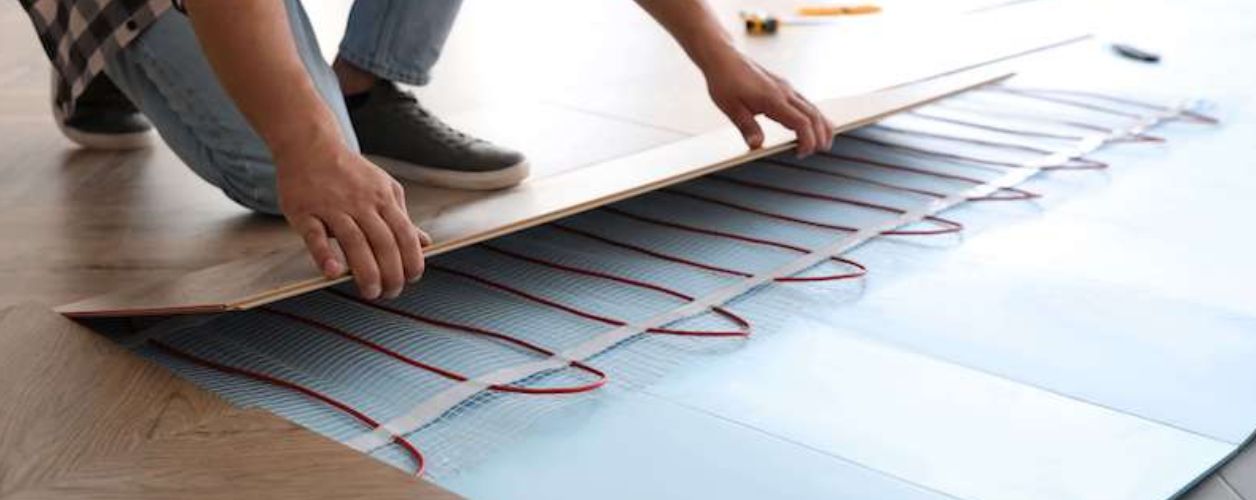
Underfloor Heating Cost: $40 to $120 per square metre
Underfloor heating in Australia generally costs between $40 and $120 per square metre, depending on whether you choose electric or hydronic systems. Total pricing varies based on room size, flooring type, installation complexity, and energy efficiency requirements.
Table Of Contents
- Warm Floors, Real Costs: What This Guide Covers
- Average Cost of Underfloor Heating in Australia
- Electric vs Hydronic Underfloor Heating: Cost Comparison
- Cost Breakdown by Room Type
- Installation Costs: What You’re Really Paying For
- Flooring Types and Their Impact on Cost
- Running Costs of Underfloor Heating in Australia
- Is Underfloor Heating Energy Efficient?
- Is Underfloor Heating Worth the Cost?
- Common Mistakes That Increase Underfloor Heating Costs
- Australian Standards, Safety, and Licensing
- Final Verdict: Comfort, Cost, and Professional Installation
- Talk to a Professional Before You Commit
Warm Floors, Real Costs: What This Guide Covers
There is nothing quite like the luxury of stepping out of a hot shower onto a perfectly warm bathroom floor on a frosty July morning. Once considered an exclusive luxury reserved for high-end hotels, underfloor heating (UFH) is rapidly growing in popularity across Australian homes. From the chilly southern climates of Hobart and Melbourne to the brisk winter mornings in Sydney and Perth, homeowners are discovering the unparalleled comfort, silent operation, and energy efficiency of radiant floor heating.
However, the moment you decide to upgrade your home’s comfort, the immediate question becomes: How much does underfloor heating cost in Australia?
Setting clear expectations is crucial. The total price you will pay depends heavily on a variety of factors, including the type of system you choose (electric or water-based), the size of your home, whether you are building from scratch or renovating, and the energy source you intend to use.
In this comprehensive guide, we will break down everything you need to know about the underfloor heating installation cost Australia-wide. We will explore upfront installation prices, dissect ongoing running costs, and help you determine whether investing in warm floors is truly worth it for your home.
Average Cost of Underfloor Heating in Australia
When budgeting for underfloor heating, it is essential to distinguish between the upfront installation costs and the ongoing running costs. The initial price tag can vary dramatically based on the technology you select.
As a high-level national average, Australians can expect to pay anywhere from $50 to $150 per square metre for the materials and installation of an electric system. Conversely, hydronic (water-based) systems generally cost between $100 and $180 per square metre, plus an additional $3,000 to $6,000+ for the central boiler or heat pump required to run the system.
While electric systems are significantly cheaper to buy and install, they rely on electricity, which can be expensive to run over large areas. Hydronic systems require a much larger upfront investment but boast significantly lower ongoing running costs, making them ideal for whole-home heating.
Typical Underfloor Heating Cost Table
Below is a general breakdown to give you a clearer picture of what to expect:
| System Type | Cost per m² (AUD) | Typical Total Cost (Standard Application) | Best Use Case |
|---|---|---|---|
| Electric (In-Screed/Mat) | $80 – $150 | $800 – $1,500 (Single Bathroom) | Small rooms, bathrooms, targeted renovations. |
| Hydronic (In-Slab) | $70 – $120* | $10,000 – $15,000 (Whole House 150m²) | New builds, whole-house heating, large open-plan spaces. |
| Hydronic (Screed/Retrofit) | $120 – $180* | $12,000 – $18,000 (Whole House 150m²) | Major renovations with floor height available. |
*Note: Hydronic per m² costs generally exclude the price of the heat source (boiler or heat pump), which acts as a fixed upfront cost regardless of house size.
Electric vs Hydronic Underfloor Heating: Cost Comparison
To truly understand the underfloor heating cost Australia-wide, you must understand the two main contenders: electric and hydronic systems. The right choice for your home depends entirely on your budget, the size of the heated area, and your renovation stage.
Electric Underfloor Heating Costs
Electric underfloor heating systems consist of thin, highly durable heating cables attached to mesh mats or laid loose on the subfloor. Once powered, these cables heat up, warming the floor above.
The electric underfloor heating cost is highly attractive for renovators. Materials and professional installation typically range from $80 to $150 per square metre. Because the cables are incredibly thin, they can be installed directly under tiles with minimal disruption to floor heights. They are exceptionally fast to install, meaning electrician labour costs are kept to a minimum.
Because of the high cost of electricity in Australia, these systems are best suited for smaller, targeted areas like bathrooms, ensuites, or small kitchens where they are only run for a few hours a day.
Hydronic (Water-Based) Underfloor Heating Costs
Hydronic systems work by circulating heated water through a network of durable cross-linked polyethylene (PEX) pipes installed within a concrete slab or floor screed. The water is heated by a central source, typically a natural gas boiler or an energy-efficient electric heat pump.
The hydronic underfloor heating cost is characterised by a high upfront investment. Not only are you paying for the intricate pipework and manifold installation ($100–$180 per m²), but you also have the fixed cost of the heat source ($3,000–$6,000).
However, hydronic systems are the champions of running costs. Because water retains heat exceptionally well and heat pumps operate at high efficiency, hydronic systems cost significantly less to run than electric systems. They are the premier choice for new builds and whole-home heating.
Side-by-Side Cost Comparison
| Feature | Electric System | Hydronic System |
|---|---|---|
| Upfront Installation Cost | Low to Medium ($80 - $150/m²) | High ($100 - $180/m² + Heat Source) |
| Ongoing Running Cost | High (Relies purely on grid electricity) | Low (Highly efficient gas or heat pump) |
| Installation Complexity | Low (Fast, easy retrofit) | High (Requires slab integration or thick screed) |
| Expected Lifespan | 15 - 25+ years | 50+ years (Pipes) / 10-15 years (Boiler) |
| Best Application | Bathrooms, renovations, small zones | New builds, whole-house heating, large areas |
Cost Breakdown by Room Type
The size and function of a room dictate both the type of system you should install and the final price you will pay.
Bathroom Underfloor Heating Costs
Bathrooms are the most popular spaces for underfloor heating in Australia. A typical Australian bathroom has about 5 to 8 square metres of heated floor space (excluding the area under the vanity, bath, and toilet).
- System of choice: Electric mat or cable.
- Cost range: $800 to $1,500, fully installed, including a smart thermostat.
- Benefits: Dries out wet floors quickly, prevents mould growth, and adds a significant luxury appeal that boosts resale value.
Living Areas and Open-Plan Spaces
Heating a large 40 to 60-square-metre open-plan living and dining area requires careful consideration.
- System of choice: Hydronic (if building new) or Electric (if strictly retrofitting and only using it as secondary heating).
- Cost range: Hydronic will cost around $7,000 to $10,000 (including the heat source). Electric will cost around $3,500 to $6,000 upfront but will be very expensive to run daily.
- Benefits: Hydronic allows for exceptional zoning, meaning you can keep the living room warm while leaving unused rooms unheated.
Bedrooms and Whole-Home Heating
If you want radiant heat throughout your entire home (e.g., a standard 150m² footprint), hydronic is the only financially viable option for long-term running costs.
- System of choice: Hydronic in-slab or screed.
- Cost range: $12,000 to $18,000+ depending on the complexity and heat pump choice.
- Benefits: Multi-room efficiency, zero cold spots, no drafts, and long-term energy savings compared to ducted heating.
Cost by Room Table
| Room Type | Average Size | Estimated Cost Range | Recommended System Type |
|---|---|---|---|
| Bathroom / Ensuite | 5 – 8 m² | $800 – $1,500 | Electric |
| Kitchen | 10 – 15 m² | $1,200 – $2,200 | Electric |
| Living / Dining Room | 40 – 60 m² | $4,000 – $9,000 | Hydronic (or Electric for secondary heat) |
| Whole Home | 150+ m² | $12,000 – $18,000+ | Hydronic |
Installation Costs: What You’re Really Paying For
When you receive a quote for underfloor heating, you aren't just paying for cables or pipes. The underfloor heating cost Australia encompasses multiple layers of labour and preparation.
Labour and Installation Complexity
- Subfloor Preparation: The floor must be perfectly level and clean. Uneven floors require levelling compounds.
- Insulation Requirements: This is non-negotiable. Without proper underfloor insulation boards, the heat will travel down into the earth rather than up into your room. High-quality insulation boards add to the cost but save thousands in running costs.
- Electrical or Plumbing Labour: Electricians must hardwire electric systems and install the thermostats. Plumbers are required to lay hydronic pipes, install the manifold, and connect the boiler/heat pump.
- Thermostats and Controls: Smart, Wi-Fi-enabled thermostats allow you to control zones via your smartphone. These generally cost between $200 and $400 each.
New Build vs Renovation Costs
Underfloor heating is always dramatically cheaper when installed during a new build. Hydronic pipes can be tied directly to the steel reinforcement mesh before the concrete slab is poured, eliminating the need for a secondary screed layer.
In a renovation, costs skyrocket. You must rip up the existing flooring, potentially grind the slab, add insulation, lay the system, pour a protective screed layer, and lay new flooring. Furthermore, adding screed raises your floor height by 15mm to 30mm, meaning doors and skirting boards may need to be adjusted.
Flooring Types and Their Impact on Cost
Not all flooring materials play nicely with underfloor heating. Your choice of flooring impacts how well the heat transfers into the room, which in turn affects your running costs and system design.
- Tile and Stone Flooring: The absolute best option. Ceramic, porcelain, and natural stone have high thermal mass. They heat up quickly, hold the heat well, and transfer it efficiently into the room.
- Polished Concrete: Like tile, concrete is incredible for thermal conductivity. It is the standard pairing for in-slab hydronic systems and is highly energy efficient.
- Engineered Timber and Laminate: These can be used, but wood is a natural insulator, meaning it slows down heat transfer. You must also ensure the system has a floor-sensing thermostat to prevent the wood from overheating (usually capped at 27°C) to avoid warping or cracking.
- Carpet and Carpet Underlay: Carpet acts as a thick blanket, trapping the heat beneath the floor. If you must use carpet over UFH, the combined tog rating (thermal resistance) of the carpet and underlay must not exceed 2.5 (preferably 1.5). Specialized low-tog underlays may cost slightly more.
Running Costs of Underfloor Heating in Australia
It is one thing to afford the installation, but another to live with the energy bills. So, how much does it actually cost to run?
How Much Does It Cost to Run Per Year?
- Electric Systems: In Australia, running a 150W/m² electric system typically costs around 2 to 3 cents per square metre, per hour. For a 5m² bathroom running for 4 hours a day during a 90-day winter, the running cost will be roughly $30 to $50 for the entire season.
- Hydronic Systems: Hydronic running costs depend on the heat source. A high-efficiency electric air-to-water heat pump running a whole house (150m²) might cost $400 to $800 for the entire winter, which is incredibly competitive compared to whole-house ducted gas or reverse-cycle air conditioning.
Factors That Affect Running Costs
- Electricity vs Gas Pricing: With gas prices rising across Australia, electric heat pumps paired with rooftop solar panels are currently the cheapest way to run hydronic underfloor heating.
- Home Insulation Quality: If your walls and ceiling are poorly insulated, the heat will escape, forcing the floor heating to run continuously.
- Climate Zone: A system in Melbourne or Canberra will work much harder and longer than a system in Brisbane.
- Usage Habits and Zoning: Leaving electric floor heating on 24/7 will result in bill shock. Using programmable thermostats to heat the floor only when you are in the room is critical.
Is Underfloor Heating Energy Efficient?
Yes, underfloor heating is highly energy efficient, primarily because it uses radiant heat rather than convective heat.
Traditional ducted air conditioning pushes hot air into a room. Hot air rises, collecting at the ceiling before eventually cooling and falling. This creates drafts and uneven temperatures.
Underfloor heating radiates heat evenly from the ground up, directly warming the people and objects in the room. Because radiant heat feels warmer to the human body, you can set an underfloor heating thermostat to 21°C and feel just as comfortable as you would in a room heated to 25°C by a forced-air system. Lowering your thermostat by just a few degrees yields massive energy savings over a year.
Furthermore, hydronic systems are incredibly compatible with modern renewable energy. By pairing a heat pump hydronic system with an adequate rooftop solar PV array, you can effectively heat your entire home for free during daylight hours.
Is Underfloor Heating Worth the Cost?
Deciding whether the underfloor heating cost Australia is justified comes down to your long-term plans for the property.
When Underfloor Heating Makes Sense
- New Builds: If you are pouring a new slab, the additional cost of adding hydronic pipes is relatively low compared to the lifelong comfort and energy savings it provides.
- Bathroom Renovations: Spending an extra $1,000 to add electric underfloor heating during a bathroom reno is almost always worth it. It adds a touch of luxury, keeps towels and floors dry, and appeals to future buyers.
- Energy-Efficient Homes: If you are building a passive home or a highly insulated house, underfloor heating operates at peak efficiency.
- Luxury or Forever Homes: If you plan to live in the house for the next 20 years, the comfort of radiant heat is unmatched.
When It May Not Be the Best Option
- Short-Term Ownership: If you plan to sell the house in a year or two, you are unlikely to recoup the high upfront cost of a whole-house hydronic system.
- Poorly Insulated Homes: Older, drafty Australian homes will let radiant heat escape too quickly, leading to high bills and underwhelming warmth.
- Tight Renovation Budgets: Retrofitting underfloor heating into a living room requires ripping up existing floors and trimming doors, which can easily blow out a tight budget.
Common Mistakes That Increase Underfloor Heating Costs
Avoid these costly pitfalls when planning your system:
- Skipping Insulation: Never install underfloor heating without adequate subfloor insulation. Without it, you will spend money heating the concrete slab or the ground below, drastically increasing your electricity bills.
- Choosing the Wrong System Type: Installing whole-house electric underfloor heating instead of hydronic will result in crippling quarterly energy bills.
- Poor Thermostat Placement: Placing the thermostat near a drafty door, in direct sunlight, or near a heated towel rail will give false readings, causing the system to run inefficiently.
- DIY Installation Attempts: Damaging a heating cable during a DIY tile job means you have to rip up brand-new tiles to find and fix the fault. Always hire professionals.
- Not Planning Zones Properly: Heating unused guest bedrooms every day wastes money. Ensure your system is broken into logical, controllable zones.
Australian Standards, Safety, and Licensing
Underfloor heating involves mixing water, electricity, and flooring—meaning strict compliance with Australian Standards is required.
- Electrical Licensing: All hardwiring of electric underfloor heating systems, thermostats, and heat pumps must be completed by a licensed electrician in accordance with AS/NZS 3000 (Wiring Rules).
- Plumbing Requirements: Connecting water pipes, manifolds, and gas boilers for hydronic systems must be performed by licensed plumbers and gas fitters.
- Insurance and Warranties: Attempting to install or wire these systems yourself is not only highly dangerous but will instantly void your manufacturer warranties. Furthermore, if an illegal DIY electrical job causes a house fire, your home insurance provider will likely deny your claim.
Final Verdict: Comfort, Cost, and Professional Installation
Understanding the underfloor heating cost in Australia requires looking past the initial quote. While electric systems offer an affordable, luxurious addition to bathroom renovations, hydronic systems provide the ultimate whole-home comfort with impressively low long-term running costs.
Ultimately, radiant floor heating transforms the way you experience your home during winter. It eliminates cold drafts, frees up wall space, and provides a gentle, ambient warmth that traditional air conditioners simply cannot match. However, to ensure you get the return on your investment, correct system design, high-quality insulation, and flawless installation are absolutely critical.
Talk to a Professional Before You Commit
Every home is different. The orientation of your house, the quality of your insulation, the height of your ceilings, and your local climate all impact the type and size of the system you need.
Before you commit to a specific flooring type or begin ripping up tiles, we highly encourage you to seek a professional assessment. A licensed underfloor heating specialist can provide tailored quotes, conduct accurate heat load calculations, and design a zoned system that perfectly balances upfront costs with long-term energy savings.
Don't leave your comfort to chance. Contact a local, licensed underfloor heating expert today to get a customised quote, ensure full compliance with Australian safety standards, and take the first step toward a warmer, more luxurious home.
Costs of various services and materials in this cost guide should be taken as estimates. These depend on location, preference and demands in the market.

Answers to Your Common Questions
Electric heating cables have no moving parts and typically come with 15 to 25-year warranties, often lasting as long as the floor above them. Hydronic PEX pipes are designed to last 50+ years, though the boiler or heat pump will need replacing every 10 to 15 years.
Yes, but it is expensive. You either need to rip up the existing flooring to install the system or access the floor from underneath (e.g., in a suspended timber floor), which requires specialist installation techniques.
Absolutely. It is considered a premium feature. Buyers, particularly in colder climates like Victoria, Tasmania, and the ACT, highly value the luxury, silent operation, and efficiency of underfloor heating, which can help your property stand out in the market.
Electric systems require zero maintenance once installed. Hydronic systems require an annual service of the boiler or heat pump (similar to an air conditioner) to ensure the pressure is correct and the pump is functioning optimally, which usually costs around $200–$300 a year.
Yes. In a well-insulated home, a properly sized underfloor heating system is more than capable of acting as the sole source of heating, entirely replacing the need for wall-mounted radiators or ducted heating.
YOU MIGHT ALSO BE INTERESTED IN
Capital Cities
- Heating System Installer Services in Melbourne
- Heating System Installer Services in Brisbane
- Heating System Installer Services in Sydney
- Heating System Installer Services in Adelaide
- Heating System Installer Services in Perth
- Heating System Installer Services in Canberra
- Heating System Installer Services in Hobart
- Heating System Installer Services in Darwin