How Much Does Scaffolding Cost?
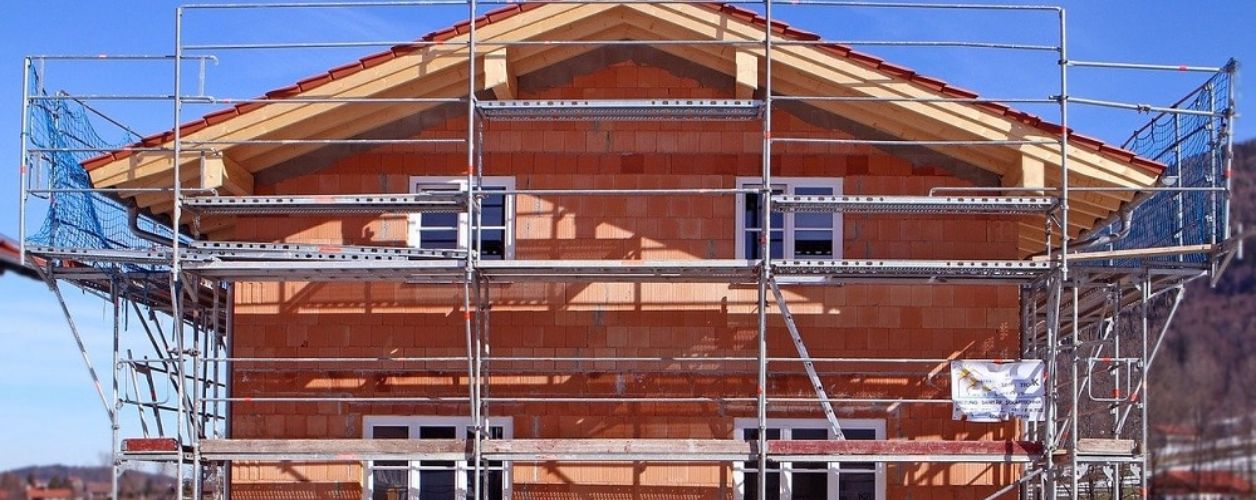
Scaffolding Cost: $15 to $35 per square metre
Scaffolding costs in Australia typically range from about $15 to $35 per square metre per week for basic residential setups. Final pricing depends on factors like height, site access, duration, and whether installation and dismantling services are included.
Table Of Contents
- 1. Why Scaffolding Matters for Your Project
- 2. Typical Scaffolding Costs Across Australia
- 3. Key Pricing Factors That Drive Scaffolding Costs
- 4. Scaffolding Cost Breakdown by Project Type
- 5. What’s Included in a Scaffolding Quote?
- 6. Labour and Installation: How Much Work Is Involved?
- 7. Scaffolding Safety and Australian Standards
- 8. DIY vs Professional Scaffolding: Why Expertise Matters
- 9. Tips to Save on Scaffolding Costs
- 10. Common Scaffolding Cost Mistakes to Avoid
- 11. Final Thoughts: Getting a Fair Scaffolding Quote
- 12. Talk to a Certified Scaffolding Specialist
1. Why Scaffolding Matters for Your Project
Whether you are painting a second-storey exterior, replacing a roof, or building a brand-new home from the ground up, working safely at heights is a non-negotiable aspect of any construction project. This is where scaffolding comes in. Scaffolding provides a temporary, secure, and stable platform for tradespeople to perform their work, hold their tools, and safely navigate the exterior or interior of a building.
In Australia, the building and construction industry is governed by some of the strictest workplace health and safety (WHS) regulations in the world. Using milk crates, wobbly ladders, or makeshift platforms is not only highly dangerous but entirely illegal for most major building work. Proper scaffolding ensures full compliance with Australian safety standards, drastically reducing the risk of fatal falls and site accidents.
But as with any essential building service, budgeting is critical. Homeowners, renovators, and builders all find themselves asking the same question: How much does scaffolding cost in Australia?
The short answer is that there is no universal flat rate. The final scaffolding cost Australia-wide depends heavily on the size of the structure, the height required, the complexity of your site, and how long you need the equipment. In this comprehensive guide, we will break down exactly what you can expect to pay, the hidden factors that influence scaffolding quotes, and how to get the best value for your project.
2. Typical Scaffolding Costs Across Australia
When budgeting for scaffolding, it is important to understand how contractors structure their pricing. Most scaffolding quotes combine three core elements: the labour to erect the scaffold, a base hire period (typically 4 weeks), and the labour to dismantle and remove the scaffold once the job is done.
As a broad national average, homeowners can expect to pay anywhere from $25 to $45 per square metre for standard residential scaffolding, which usually covers installation, dismantling, and a 4-week hire period.
If you just need a small, mobile aluminium scaffold tower for a quick weekend DIY painting job, standard scaffold hire prices might only set you back $150 to $300 a week. However, fully wrapping a double-storey home in fixed steel scaffolding will easily run between $4,000 and $8,500+.
Quick Cost Snapshot Table
Here is a high-level overview of typical scaffolding costs based on the project type:
| Job Type | Average Cost (AUD) | Inclusions | Typical Duration |
|---|---|---|---|
| Residential house (Single storey) | $2,000 – $4,500 | Install, dismantle, edge protection | 4 weeks included |
| Residential house (Double storey) | $4,000 – $8,500+ | Install, dismantle, multiple platforms | 4 weeks included |
| Commercial building (Low rise) | $10,000 – $25,000+ | Install, dismantle, public safety gear | 4 to 8 weeks |
| Industrial site / Warehouse | $15,000 – $50,000+ | Heavy-duty load rating, custom design | Project specific |
3. Key Pricing Factors That Drive Scaffolding Costs
If your neighbour paid $3,000 for their scaffolding, why is your quote $5,500? Scaffolding companies look at a variety of specific project variables when calculating your total scaffolding installation cost.
3.1 Height and Number of Levels
The taller your building, the more expensive the scaffolding. Building upwards requires exponentially more steel frames, bracing, and safety planks. More importantly, working at greater heights drastically slows down the installation process, meaning the labour costs will rise significantly as scaffolders must take extra safety precautions.
3.2 Type of Scaffolding System
There are several types of scaffolding, and the system you need will dictate the price:
- Supported/Fixed Scaffolding: The standard steel/aluminium framework built from the ground up (e.g., Kwikstage or Cuplok). This is the most common and moderately priced.
- Suspended Scaffolding: Often used on high-rise commercial buildings, these platforms are hung from the roof. They require specialized engineering and are highly expensive.
- Mobile Scaffolding: Small towers on caster wheels. These are the cheapest option, ideal for indoor painting or minor repairs.
- Specialty/Cantilevered: Used when scaffolding cannot be built directly on the ground (e.g., bridging over a fragile glass roof). These require custom engineering and cost a premium.
3.3 Duration of Hire
Most standard quotes include an initial hire period (usually 28 days or 4 weeks). If your builders face delays due to rain or supply chain issues and you need the scaffolding for an extra month, you will be charged an ongoing weekly hire fee. Extended hire periods can silently blow out your renovation budget.
3.4 Site Access and Complexity
Scaffolding consists of hundreds of heavy steel poles, heavy timber or steel planks, and bulky fittings. If the scaffolding truck can back right up to the wall, installation is fast and cheap. If the scaffolders have to manually carry every single pole down a steep, narrow side path, over retaining walls, or through your house, the labour costs will skyrocket due to the extra time required.
3.5 Location and Regional Pricing
Labor rates vary across Australia. You will generally pay more for scaffolding in the bustling metro areas of Sydney or Melbourne than in smaller regional towns. However, if your property is highly remote, travel fees and heavy vehicle transport costs will be added to your bill.
3.6 Weather, Permits, and Compliance
If your property boundary is tight and the scaffolding needs to sit on a public footpath or nature strip, you are legally required to obtain a council permit. The scaffolding company will also need to install pedestrian protection (hoardings). Permit fees, pedestrian management, and mandatory safety inspections all add to the final quote.
4. Scaffolding Cost Breakdown by Project Type
To give you a clearer picture, let's break down the typical scaffolding cost Australia-wide based on the specific category of your project.
4.1 Residential Scaffolding
Residential jobs are the most common. Scaffolding here is usually required for roof replacements, solar panel installations, rendering, or general second-storey extensions.
- Single storey: Usually only requires basic edge protection or a low-level platform for roofers. Prices typically range from $2,000 to $4,500.
- Double storey: Requires a full perimeter wrap with multiple working decks. Because materials must be hoisted higher, costs jump to between $4,000 and $8,500+.
- Multi-storey townhouse: Often involves tight property boundaries and shared party walls, requiring careful, slower installation. Expect costs upward of $6,000 to $10,000.
4.2 Commercial Scaffolding
Commercial sites face far stricter public safety regulations.
- Shopfront renovations: Requires scaffolding that allows pedestrians to safely walk underneath (gantry scaffolding).
- Office buildings: Medium-scale commercial construction requires heavy-duty scaffolding capable of holding pallets of bricks, heavy tools, and multiple tradespeople simultaneously.
- Cost expectations: Due to the heavy-duty materials, specialized netting, and strict safety audits required, commercial scaffolding usually starts around $10,000 and can easily exceed $25,000 for mid-sized structures.
4.3 Industrial and Large-Scale Projects
Industrial environments are complex and highly regulated.
- Warehouses and Factories: Often require massive indoor birdcage scaffolds (filling an entire room) to allow workers to install ceiling infrastructure or high-bay lighting.
- High-rise structures: Require jump-forms or suspended scaffolding.
- Cost expectations: These are highly specialized, engineered solutions. Costs frequently run from $15,000 up to hundreds of thousands of dollars, heavily dependent on the tonnage of steel required and the project lifespan.
Project Cost Comparison Table
| Project Type | Average Cost Range | Typical Duration | Complexity Level |
|---|---|---|---|
| Single Storey Reno | $2,000 – $4,500 | 2 – 4 weeks | Low |
| Double Storey Build | $4,000 – $8,500+ | 4 – 8 weeks | Medium |
| Shopfront / Low-Rise Com. | $10,000 – $25,000+ | 4 – 12 weeks | High (Public access) |
| Industrial / Factory | $15,000 – $50,000+ | 8+ weeks | Very High (Engineered) |
5. What’s Included in a Scaffolding Quote?
One of the biggest mistakes a homeowner can make is accepting a quote without reading the fine print. To avoid nasty surprises, you must understand standard inclusions versus optional extras.
Standard Inclusions
When you receive a standard quote for a scaffolding installation cost, it should explicitly cover:
- Materials: All the steel tubes, couplers, base plates, and platform boards required.
- Labour: The specialized workforce required to safely erect the structure and, crucially, dismantle it when the job is finished.
- Safety gear: Mandatory guardrails, toeboards (to stop tools falling), and safe ladder access bays.
- Basic hire period: Generally 4 weeks (28 days) of equipment hire.
Optional Extras (Extra Cost)
Be prepared to pay more if your site requires any of the following:
- Longer hire periods: A weekly rate charged after the initial 4 weeks expire.
- Transport & delivery charges: Sometimes billed separately, especially for regional jobs.
- Edge protection, netting, and sheeting: Shade cloth or heavy-duty shrink wrap (encapsulation) to contain dust, paint, or asbestos.
- Engineering certification: Complex builds require a structural engineer to sign off on the scaffold design.
- Permit costs: Council fees for occupying public land or footpaths.
6. Labour and Installation: How Much Work Is Involved?
It is easy to look at a pile of steel tubes and wonder why the quote is so high. The reality is that the physical materials only make up a portion of the cost; the lion’s share goes to labour.
Erecting scaffolding is physically exhausting, high-risk work. A standard residential home might require a team of 3 to 4 qualified scaffolders working for 1 to 2 full days just to erect the structure. Dismantling takes roughly half that time.
Labour costs are driven up by risk factors (working at extreme heights or near high-voltage power lines) and restricted access. Furthermore, a licensed scaffolder in a major capital city will command a higher hourly rate than general labourers, given the specialized high-risk nature of their trade.
7. Scaffolding Safety and Australian Standards
You cannot cut corners on safety. In Australia, scaffolding is governed by strict codes of practice and the AS/NZS 1576 series of standards.
Crucially, under Australian law, any scaffolding where a person or object could fall more than 4 metres must be erected, altered, and dismantled only by an individual holding a valid High Risk Work Licence for scaffolding.
When a contractor quotes your job, their price includes the cost of maintaining this rigorous compliance. They must supply a handover certificate once the scaffold is built, verifying it is structurally sound and safe for your tradies to use. Hiring a cheap, unlicensed operator to save money is a massive legal liability. If a worker falls from a non-compliant scaffold on your property, you could face severe legal and financial repercussions. Always ensure your scaffolding contractor is fully licensed and holds current Public Liability Insurance.
8. DIY vs Professional Scaffolding: Why Expertise Matters
With the rise of hardware store DIY kits, many homeowners wonder if they can bypass professional scaffold hire prices and just do it themselves.
DIY Scaffolding
- Possible cost savings: You can hire an aluminium mobile scaffold tower for a few hundred dollars a week.
- Limitations: By law, an unlicensed person can only erect scaffolding up to a platform height of 4 metres. Mobile towers are also lightweight and cannot hold multiple workers or heavy building materials.
- Suitability: DIY scaffolding is strictly for minor, low-risk jobs like cleaning gutters, painting a hallway ceiling, or changing hard-to-reach lightbulbs.
Professional Scaffolders
- Benefits: Professionals bring speed, guaranteed safety, compliance, and full insurance. They will engineer a scaffold that perfectly matches the contours of your home, ensuring your builders can work efficiently.
- Long-term cost savings: While the upfront cost is higher, a professionally built scaffold allows tradespeople (like bricklayers and roofers) to work twice as fast compared to moving a DIY mobile tower every ten minutes. The money you save on your builders' hourly rates often offsets the cost of the scaffolding itself.
9. Tips to Save on Scaffolding Costs
Scaffolding is a major line item on any construction budget, but there are smart ways to keep costs under control:
- Plan and book early: Last-minute bookings often incur premium rush fees. Book your scaffolding weeks in advance.
- Combine tasks to reduce hire duration: The longer the scaffold is up, the more it costs. Schedule your roofers, painters, gutter installers, and renderers to work simultaneously or back-to-back so the scaffold can be dismantled quickly.
- Ask for fixed-price quotes: Avoid open-ended hourly labour estimates. Ensure the quote covers the complete erect-and-dismantle process.
- Compare multiple supplier quotes: Prices vary wildly between companies depending on how busy they are. Always get at least three quotes.
- Consider modular systems: Ask your contractor if modular systems (which are faster to snap together than traditional tube-and-fitting scaffolds) can be used to reduce labour time.
10. Common Scaffolding Cost Mistakes to Avoid
Don't let these common oversights derail your project budget:
- Not including removal costs: Assuming the quote covers the dismantle, only to be hit with a massive "teardown" invoice at the end of the project.
- Ignoring safety compliance fees: Forgetting to budget for mandatory safety handovers and monthly structural inspections.
- Forgetting permit charges: Realising too late that the scaffold must sit on the council footpath, resulting in heavy fines or unexpected permit fees.
- Underestimating the duration of hire: Budgeting for 4 weeks of hire, but structural delays mean you need it for 12 weeks, tripling your hire costs.
- Selecting the wrong scaffold type: Paying for heavy-duty, load-bearing steel scaffolding when you only needed a lightweight aluminium platform for painters.
11. Final Thoughts: Getting a Fair Scaffolding Quote
Understanding the true scaffolding cost in Australia comes down to recognizing that you are paying for much more than just rented steel. You are paying for heavy logistics, intensive manual labour, and the peace of mind that comes with stringent safety compliance.
While average residential projects range from $2,000 to over $8,500, the exact price is entirely dependent on your home's height, the complexity of the site access, and how tightly you manage your construction schedule to minimize hire times. Always scrutinize your quotes to ensure the erection, dismantling, and a sufficient hire period are fully included. Above all, prioritize safety—investing in a professional, licensed scaffolding contractor is an investment in the safety of every person who sets foot on your property.
12. Talk to a Certified Scaffolding Specialist
Are you planning a renovation, an extension, or a new build? Don’t let scaffolding costs become a guessing game. Because every home, block, and project timeline is entirely unique, the only way to get a genuinely accurate price is to speak directly with the professionals.
Reach out to a certified, local scaffolding specialist today. A professional contractor will conduct an onsite visit or review your architectural plans to provide a tailored, transparent quote. By booking an expert, you guarantee your site will be 100% compliant with Australian safety standards, avoiding hidden costs, legal risks, and project delays. Secure your site and your budget—request your custom scaffolding quote today!
Costs of various services and materials in this cost guide should be taken as estimates. These depend on location, preference and demands in the market.

Answers to Your Common Questions
Most professional companies quote on a "project" basis for the initial stage. This includes a fixed fee for transport, erection, dismantling, and an initial hire period (usually 28 days). If your project runs over the initial period, you will then be billed a recurring weekly hire fee.
Yes. If you live in a regional area or on the outskirts of a major city, companies will charge a cartage/transport fee to cover the fuel and time required to haul heavy steel to your location.
A reputable, licensed scaffolding company will have their own Public Liability Insurance to cover any damage they cause while erecting or dismantling the structure. However, you should still check your own home and contents or builder's insurance regarding general construction risks.
As a rough rule of thumb, fixed scaffolding costs between $25 and $45 per square metre for the initial installation and 4-week hire.
It is highly unlikely. Scaffolding requires site assessments, loading heavy materials onto trucks, and scheduling specialized labour. Most companies require at least 1 to 2 weeks' notice.