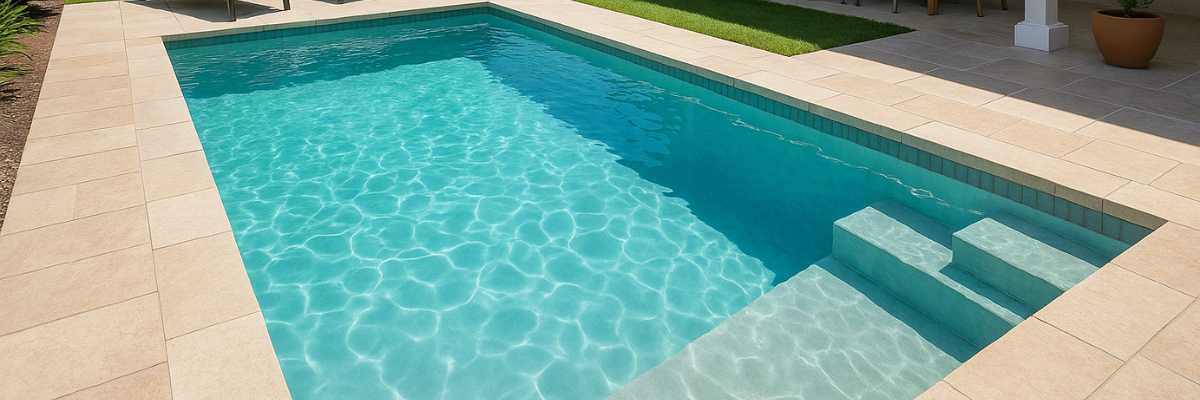
How Much Does Pool Repair Cost? (2026)
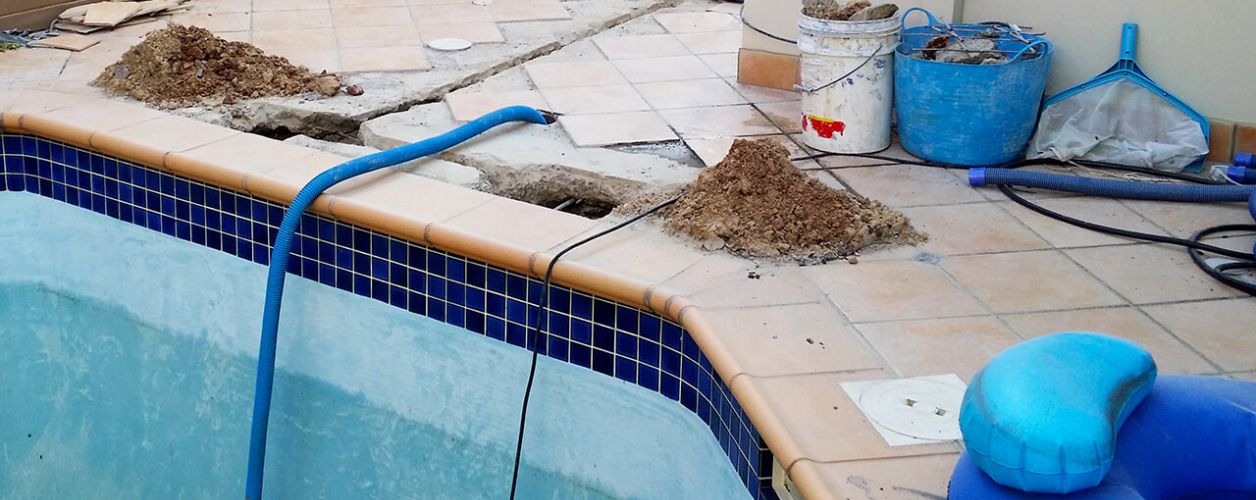
Average Pool Repair Cost: $150 to $3,500+
The short answer: minor equipment repairs and leak patches typically cost between $150 and $500. However, if you are looking at major equipment replacement or surface repairs, costs generally range from $800 to $3,500+. Full resurfacing projects are a different tier entirely, often exceeding $10,000.
Table of Contents
- Introduction
- Average Pool Repair Costs
- Cost by Type: Leak Detection and Repair
- Cost by Type: Pool Equipment Repairs
- Cost by Type: Surface Repairs
- The "Green Pool" Recovery Cost
- Resurfacing: The Ultimate Repair
- What Increases Pool Repair Costs?
- Warning: The Hydrostatic Valve Danger
- Pool Fencing Repairs
- Repair vs. Replacement
- Checklist: Hiring a Technician
Pool Repair Cost Range: $150 to $3,500+
How Much Does Pool Repair Cost in Australia?
A swimming pool is the centrepiece of the Australian backyard, but when things go wrong, it can quickly turn from a summer oasis into a financial headache. Whether it’s a mysterious drop in water level, a screeching pump, or cracks appearing in the shell, ignoring the problem almost always leads to a higher bill down the road.
Pool repairs generally fall into two categories: equipment failure (mechanical) and structural issues (the pool shell and plumbing). The costs vary wildly—a replaced O-ring might cost $10, while fixing a structural crack in a concrete shell can run into the thousands.
In this guide, you’ll learn what professional pool repairs cost in Australia, how to distinguish between a minor fix and a major renovation, and how to budget for the unexpected.
Average Pool Repair Costs in Australia
Most pool technicians in Australia charge a call-out fee (usually $80 – $120) which covers the first 15–30 minutes of diagnosis. Labour is then charged on top, typically around $80 – $110 per hour.
Quick Cost Overview (Supply & Install)
| Repair Type | Estimated Cost | Complexity |
|---|---|---|
| Basic Service Call / Diagnosis | $100 – $180 | Low |
| Pump Repair (Seals/Bearings) | $250 – $450 | Medium |
| New Pool Pump (Standard) | $600 – $1,200 | Low |
| New Pool Pump (Variable Speed) | $1,200 – $2,200 | Low |
| Chlorinator Replacement | $500 – $1,500 | Low |
| Filter Sand Change | $250 – $450 | Medium |
| Leak Detection Service | $350 – $600 | High |
| Skimmer Box Replacement | $2,500 – $4,500 | Very High |
| Underwater Light Replacement | $300 – $600 | Medium |
Note: These prices represent typical market rates. Emergency after-hours call-outs or properties with difficult access will command higher fees.
Cost by Type: Leak Detection and Repair
Water loss is the most common stress point for pool owners. Fixing a leak is a two-step process: finding it, then fixing it.
1. Leak Detection
Professional leak detectors use pressure testing equipment and acoustic listening devices to pinpoint breaks.
- Cost: $350 – $600 (detection only).
- What you get: A report identifying the leak location.
2. Minor Leaks
If the leak is in an accessible pipe above ground or a small tear in a vinyl liner.
- Cost: $150 – $300.
- Method: PVC glue for pipes; underwater patch kits for vinyl.
3. Skimmer Box Leaks
In Australia, the skimmer box is a common failure point due to earth movement.
- Repair Cost: $250 – $500 (injection).
- Replacement Cost: $2,500 – $4,500 (requires excavation).
4. Underground Plumbing Leaks
If a pipe has cracked beneath your pavers or concrete slab, costs escalate due to excavation and reinstatement.
- Cost: $1,500 – $5,000+.
Cost by Type: Pool Equipment Repairs
Mechanical equipment lives in a harsh environment of salt, chlorine, and Australian sun. It is the most frequent category of repair.
The heart of your system. If it’s screeching, bearings are gone. If it hums but doesn't start, it’s likely the capacitor.
- Capacitor/Seal Repair: $200 – $350
- Motor Replacement: $400 – $600
- Full Replacement: $800 – $2,000+
Pro Tip: If your single-speed pump is more than 7 years old, consider a Variable Speed Pump (VSP) for electricity savings.
Maintaining clear and sanitised water requires healthy filtration and chlorination systems.
- Filter Sand Change: $250 – $450
- Spider Gasket Replacement: $150 – $250
- Chlorinator Cell: $250 – $800
- Control Box Repair: $300 – $600
Cost by Type: Surface Repairs
The surface of your pool determines its look and feel. Repairs here range from cosmetic touch-ups to structural overhauls.
Concrete Pool Repairs
- Rust Spot Repair: $300 – $500 per spot (Concrete cancer).
- Crack Injection: $400 – $900 per linear metre.
- Loose Tile Repair: $200 – $500.
- Acid Wash: $800 – $1,500.
Fibreglass Pool Repairs
- Gel Coat Crack Repair: $350 – $600.
- Osmosis Treatment: $1,500 – $4,000 (Bubbling treatment).
- Manhole/Hydrostatic Valve Repair: $500 – $800.
Vinyl Liner Repairs
- Patch Repair: $150 – $300 (Professional diver).
- Liner Re-tuck: $200 – $400.
- Full Liner Replacement: $4,000 – $7,000.
The "Green Pool" Recovery Cost
Sometimes the "repair" is fixing the water itself.
- Chemical Floc & Vac ($300 – $600): Adds heavy flocculants to drop algae to the floor, then vacuums to waste. Saves pool water.
- Drain & Clean ($1,000 – $2,000): Only for extreme cases. Includes draining, sludge removal, pressure washing, and refilling.
Resurfacing: The Ultimate Repair
When patch jobs no longer work, the entire surface must be redone. This is a renovation, not just a repair.
- Concrete (Pebblecrete/Quartzon): $10,000 – $20,000.
- Fibreglass Resurfacing: $8,000 – $15,000.
- Painting (Epoxy): $4,000 – $8,000.
What Increases Pool Repair Costs the Most?
Why did your neighbour pay $500 and you were quoted $2,000 for a similar issue? These variables drive the price.
- Accessibility: Difficulty reaching the pump shed or limited access for excavation equipment increases labour.
- Draining the Pool: Adds costs for water bills and re-balancing chemicals ($300 – $600).
- Integrated Systems: In-floor cleaning systems are expensive to repair.
- Older Pools (Pre-1990): Non-standard plumbing sizes require extra fittings and labour.
Warning: The Hydrostatic Valve Danger
Never drain your pool without professional advice.
Every pool has a hydrostatic valve in the floor to let ground water into the pool to prevent pressure buildup. If you drain your pool when the water table is high, the pressure can cause the shell to buckle or "pop" out of the ground.
Repairing a "popped" pool is catastrophic, often requiring total demolition and replacement ($50,000+).
Pool Fencing Repairs
In Australia, pool safety laws are strict. If your gate doesn't latch or your fence is wobbly, you are legally non-compliant.
- Gate Latch Adjustment: $150 – $250.
- Hinge Replacement (Self-Closing): $200 – $400.
- Glass Fence Spigot Repair: $300 – $600.
- Panel Replacement: $400 – $800 per glass panel.
Repair vs. Replacement: When to Stop Fixing
If the repair costs more than 50% of the price of a brand-new unit, replace it. New equipment comes with a warranty; repairs usually don't.
Replacing an old single-speed pump with a new Variable Speed Pump (VSP) can save enough electricity to pay for itself within 2 years.
If you have patched your vinyl liner more than three times, the material has likely become brittle. It is time to replace the liner.
Checklist: Hiring a Pool Repair Technician
Not all "pool guys" are qualified for repairs.
- Check Licencing: Ensure they hold a relevant trade licence for plumbing or structural work.
- Ask about Call-Out Fees: Confirm if the fee is deducted from the final bill.
- Get a Written Quote: Ensure a breakdown of parts vs. labour for jobs over $500.
- Leak Detection Guarantee: Ask if you still pay if no leak is found.
Conclusion
By understanding these costs and acting quickly when you notice unusual noises or a drop in water level, you can prevent minor issues from turning into major, expensive repairs. Staying proactive keeps your Australian pool clean, safe, and ready to enjoy all year round — without blowing your budget on emergency fixes.
Need a hand with pool repairs or leak detection? Get quotes from trusted local pool professionals and fix the problem early before it drains your time and money.
Costs of various services and materials in this cost guide should be taken as estimates. These depend on location, preference and demands in the market.
YOU MIGHT ALSO BE INTERESTED IN
![How Much Does A Pool Safety Inspection Cost? [2026]](https://servicetasker.com.au/storage/2024/05/1714648139.jpg)