How Much Does It Cost to Install a Pool Heater?
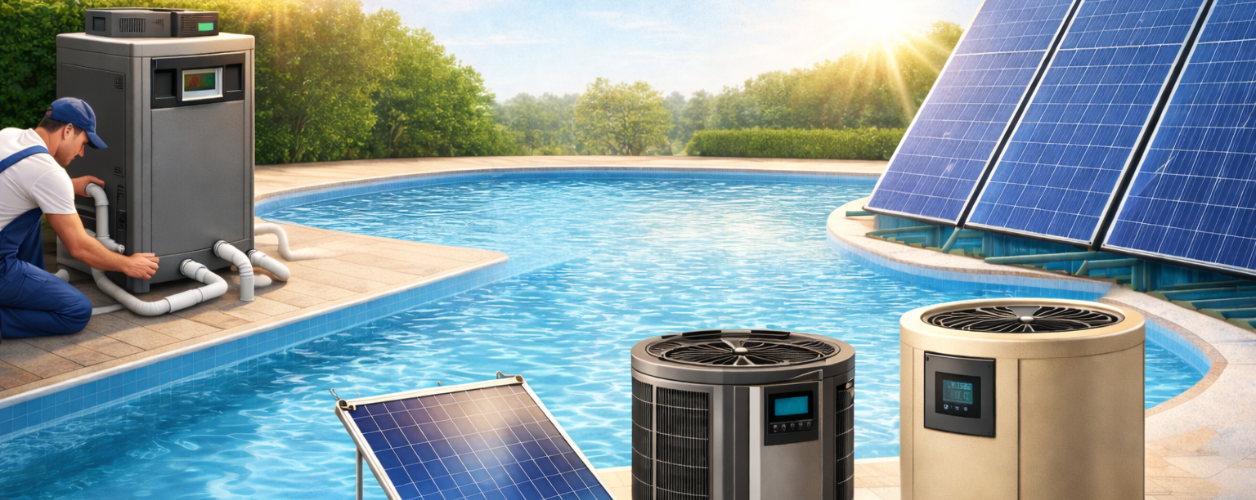
Installation costs vary widely depending on the system. Electric heat pump installation typically ranges from $600 to $2,500+, gas heater installation from $800 to $4,000+, and solar systems from $1,000 to $3,000. These figures exclude the cost of the heater unit itself.
Table Of Contents
- Introduction
- How Pool Heater Installation is Priced in Australia
- Typical Cost Ranges by Heater Type
- Breaking Down the Installation Costs
- Main Factors That Influence Total Cost
- What Is Included in a Standard Quote?
- Common Misconceptions
- Preparing Your Pool for a Quote
How Much Does It Cost to Install a Pool Heater?
Pool heating dramatically extends your swimming season and transforms a cold backyard asset into a year-round investment. Installation costs vary widely depending on the system you choose, your existing plumbing, and your property’s electrical or gas infrastructure. In this guide, we explain exact pool heater installation costs in Australia, how installers price their jobs, and what you must know before booking a tradesperson.
How Pool Heater Installation is Priced in Australia
Let’s break down how Australian installers calculate the total cost of a pool heating system. The final invoice you receive is rarely just the cost of the heater itself. Installers use a specific, heavily regulated pricing structure based on equipment sizing, compliance laws, and trade labour.
WHAT Pool Heater Installation Involves
Installing a pool heater requires integrating a brand-new heating unit into your existing pool filtration loop. You must cut into the PVC return lines, install bypass valves, secure the heavy heating unit to a solid foundation, and connect the required energy source. Depending on the exact system you purchase, you require a licensed pool technician, a qualified electrician, or a certified gasfitter to sign off on the work.
WHY Installation Costs Vary
Costs fluctuate drastically because different heaters demand completely different home infrastructure. A solar heater requires specialized, heavy labour to mount large collectors securely on a roof against high wind loads. An electric heat pump draws significant amperage, almost always necessitating a new, dedicated electrical circuit from your main switchboard. A gas heater requires a highly compliant gas line capable of handling massive megajoule (MJ) consumption.
HOW Installers Price Jobs
When you receive a pool heater installation quote, Australian installers calculate the job using a standard four-part formula:
- The Unit Cost: The wholesale or retail price of the heater itself.
- Trade Labour: Hourly rates for specialized trades. A licensed gasfitter or electrician in Australia typically charges between $90 and $150 per hour.
- Materials: High-pressure PVC pipes, three-way valves, weatherproof electrical conduit, or copper gas piping.
- Site Complexity: Additional danger or difficulty charges for steep roof pitches, underground trenching, or tight access paths.
Typical Cost Ranges by Heater Type
Let’s examine the three primary types of pool heaters in Australia. We separate the cost of the hardware from the cost of the installation labour and materials to give you a highly accurate picture of total expenses.
Electric Heat Pumps
Electric heat pumps are currently the most popular choice for Australian residential pools due to their exceptional energy efficiency. They pull warmth from the ambient air, compress it using refrigerant, and transfer that heat to your pool water.
What installation involves:
Installers place the heat pump on a solid concrete or composite pad near your existing pool filter. They cut into the plumbing line and divert water through the heat pump using a manifold. A licensed electrician then hardwires the unit directly to your home’s electrical supply and installs an outdoor isolation switch.
Why costs vary:
Heat pump installation costs depend primarily on your home’s electrical switchboard capacity. Small, plug-and-play units for plunge pools can plug into a standard 10A outdoor socket. However, standard family-sized pools require a 15A, 20A, or even 32A dedicated circuit. If your switchboard lacks the capacity for this new breaker, you must pay for a sub-board installation or a costly mains upgrade.
Table: Average Electric Heat Pump Costs (AUD)
| Pool Size | Typical Heater Size | Unit Cost Range | Installation & Electrical Labour | Total Estimated Cost |
|---|---|---|---|---|
| Small (Up to 30,000L) | 9kW - 12kW | $2,500 - $4,500 | $600 - $1,200 | $3,100 - $5,700 |
| Medium (30,000L - 50,000L) | 13kW - 17kW | $4,000 - $6,500 | $800 - $1,500 | $4,800 - $8,000 |
| Large (50,000L+) | 21kW+ | $6,000 - $9,000+ | $1,000 - $2,500+ | $7,000 - $11,500+ |
Crucial: Do not assume your current pool pump power supply can handle a new heat pump. Australian installers legally cannot and will not connect a high-draw heat pump to an overloaded shared circuit.
Gas Pool Heaters
Gas heaters provide on-demand, rapid water heating. They burn natural gas or liquid petroleum gas (LPG) to heat the water directly. They remain the ideal choice for heating a pool or spa quickly for a spontaneous weekend event.
What installation involves:
A pool technician plumbs the gas heater into your pool’s water line. The critical difference lies in the energy connection. A licensed gasfitter must run a dedicated gas line from your property's gas meter (or LPG bottles) directly to the heater. They also install strict compliance components like ventilation clearances, heat shields, and emergency shut-off valves.
Why costs vary:
The exact distance between your gas meter and your pool equipment pad dictates the installation cost. Gas pool heaters consume a massive volume of gas—often over 200 MJ/h. If your existing house gas pipes are too narrow to deliver this volume without pressure drop, the gasfitter must run a new, thicker pipe all the way from the street meter to the pool.
Table: Average Gas Pool Heater Costs (AUD)
| Pool Size | Typical Heater Size | Unit Cost Range | Installation & Gas Line Labour | Total Estimated Cost |
|---|---|---|---|---|
| Small (Up to 30,000L) | 150 - 200 MJ/h | $1,500 - $2,500 | $800 - $1,500 | $2,300 - $4,000 |
| Medium (30,000L - 50,000L) | 250 - 300 MJ/h | $2,500 - $3,500 | $1,000 - $2,500 | $3,500 - $6,000 |
| Large (50,000L+) | 400 MJ/h+ | $3,500 - $5,000 | $1,500 - $4,000+ | $5,000 - $9,000+ |
Pro Tip: If you live on a rural or suburban property without a town natural gas connection, you must factor in the setup cost of LPG cylinders, concrete bases for the cylinders, and specialized LPG regulators.
Solar Pool Heaters
Solar pool heating uses your existing pool pump (or an independent booster pump) to push cold water up to your house roof. The water circulates through heated tubes or rigid panels before returning to the pool. It relies entirely on free thermal energy from the Australian sun.
What installation involves:
Installers secure a large matrix of rubber tubes (known as strip heating) or rigid solar panels to your roof. They run thick PVC feed and return lines down the external wall of your house, trench them across the yard, and connect them to a solar booster pump near your pool filter. They finish by installing a digital solar controller and roof temperature sensors to automate the water flow.
Why costs vary:
Roof access, house height, and roofing material drive solar installation prices. A single-story home with a flat, easily accessible Colorbond tin roof costs significantly less than a two-story home with a steep, fragile terracotta tile roof. Furthermore, rigid panel systems cost more to buy and install than basic rubber strip systems.
Table: Average Solar Pool Heater Costs (AUD)
| System Type | Pool Size | Equipment Cost Range | Installation Labour | Total Estimated Cost |
|---|---|---|---|---|
| Strip Heating (Rubber) | Small to Medium | $1,500 - $2,500 | $1,000 - $2,000 | $2,500 - $4,500 |
| Strip Heating (Rubber) | Large | $2,500 - $3,500 | $1,500 - $2,500 | $4,000 - $6,000 |
| Rigid Solar Panels | Small to Medium | $3,000 - $4,500 | $1,500 - $2,500 | $4,500 - $7,000 |
| Rigid Solar Panels | Large | $4,500 - $6,500 | $2,000 - $3,000 | $6,500 - $9,500 |
Note: Australian cockatoos are notorious for chewing through soft rubber solar strips. While rigid solar panels cost considerably more upfront, installers highly recommend them in bird-heavy areas to prevent massive ongoing repair costs.
Breaking Down the Installation Costs: What Are You Actually Paying For?
Understanding the specific line items on an Australian pool heating quote helps you spot inflated prices and avoid surprise charges. Let’s look at exactly what materials and tasks drive the labour costs.
1. Plumbing and Filtration Integration
Every pool heater must intercept the water flow after it leaves the filter and before it returns to the pool via the return jets. Installers charge for Class 9 high-pressure PVC pipe, elbows, high-flow couplings, primer, and specialized glue.
They also construct a bypass valve setup, which typically features a three-way valve. This allows you to completely isolate the heater for winter maintenance or repairs without shutting down your daily pool filtration. Expect standard plumbing materials and basic labour to account for $300 to $600 of your total invoice.
2. Electrical Compliance and Wiring
Electrical work in Australia is heavily regulated under the AS/NZS 3000 wiring rules. Even solar heaters, which use free sun energy, require an electrician to install an outdoor, weatherproof power point to run the digital controller and booster pump.
For electric heat pumps, the costs scale rapidly. If your switchboard is far from the pool, the electrician must run thick, armored cable. Trenching a new electrical cable 20 meters across a backyard safely costs between $1,000 and $2,000.
Warning: It is technically possible to run massive 30kW+ heat pumps for commercial-sized pools, but these explicitly require three-phase power. If your home only has single-phase power, upgrading your entire property to three-phase will add $3,000 to $5,000 to your overall project cost.
3. Gas Line Upgrades and Certification
Gas installation strictly adheres to AS/NZS 5601.1 standards. Gasfitters charge for expensive copper piping, safe trenching depths, and mandatory pressure testing.
If your property requires a gas meter upgrade to handle the drastically increased flow rate of a new 400 MJ/h pool heater, your local gas utility provider charges an infrastructure fee. Your installer passes this fee directly to you. A simple gas connection tapped right next to an existing exterior line costs around $500. However, a complex 30-meter underground pipe run beneath pavers costs upwards of $3,500.
4. Concrete Pads and Structural Support
Pool heaters carry significant physical weight. A premium 21kW inverter heat pump weighs over 100 kilograms. You cannot place these expensive units directly on dirt, soft mulch, or unstable pavers.
If your existing concrete equipment pad lacks the physical footprint to house the new heater, the installer must pour a concrete extension or lay heavy-duty composite equipment slabs. This foundational work adds $150 to $400 to the total job.
Main Factors That Influence Total Pool Heater Installation Cost
Beyond the specific technology you select, several site-specific variables dictate the final number on your quote. Let’s examine the main factors that cause installation costs to fluctuate.
Pool Size and Total Water Volume
The larger the pool, the larger the heater you must install. A massive 60,000-litre concrete pool demands a high-capacity heat pump or a sprawling solar collector array covering over 40 square meters of roof space. Larger equipment fundamentally requires thicker electrical wiring, stronger booster pumps, larger PVC pipe diameters, and more tradesperson labour to physically maneuver into place.
Climate Zone and Desired Temperature
Your geographic location within Australia directly impacts equipment sizing. A homeowner on the Gold Coast can easily heat a 40,000-litre pool with a smaller, cheaper 13kW heat pump. Conversely, a homeowner in Melbourne attempting to heat the exact same pool size requires a 21kW unit to overcome the cold ambient air. Installers must specify much larger units for southern Australian states, driving up both the initial unit cost and the required electrical infrastructure.
Site Access and Trenching Requirements
Tradies charge for their time. If your pool equipment sits behind a narrow retaining wall, down a steep flight of stairs, or in a tight acoustic enclosure, laborers spend hours simply moving the equipment safely into position.
Furthermore, if plumbers or electricians must cut through reinforced concrete driveways or trench through hard, rocky soil to run new underground utilities, your installation cost increases by thousands of dollars.
Retrofitting vs. New Pool Construction
The timing of your installation severely impacts the price.
- New Pool Builds: During new construction, plumbers lay utility conduits in open dirt before concrete gets poured. Installation costs remain low because access is perfect and trenches are already open.
- Retrofits: Adding a heater to a twenty-year-old pool costs significantly more. Installers must navigate established gardens, cut through existing decking, and often upgrade aging pool filtration equipment that cannot handle the increased flow rates required by modern heaters.
What Is Included in a Standard Installation Quote?
When you receive a professional quote from an Australian pool heating company, you must know exactly what is standard and what incurs an extra fee.
Standard Inclusions You Should Expect:
- The heating unit itself (the heat pump, gas heater, or solar panel kit).
- Freight and delivery of the heavy unit to your property.
- Basic PVC plumbing materials and standard bypass valves (assuming the heater sits within 1 to 2 meters of existing equipment).
- Physical placement of the unit on an existing, prepared concrete pad.
- System commissioning, testing, and a handover tutorial showing you how to set temperatures.
Typical Exclusions (Always Read the Fine Print):
- Electrical circuit upgrades or new power points (often outsourced to a third-party electrician and billed separately).
- Long gas pipe runs, trenching, or utility gas meter upgrades.
- Roof structural reinforcement or safety scaffolding required for two-story solar installations.
- Crane hire for properties with zero side access.
- The removal and environmental disposal of your old, broken pool heater.
Common Misconceptions About Pool Heater Installation
Homeowners routinely enter the purchasing process with incorrect assumptions about pool heating. Let’s address and correct the most prevalent misconceptions in the Australian market explicitly.
Misconception 1: All pool heaters cost the exact same amount to install.
The reality: Installation costs vary wildly based on existing infrastructure. Swapping a broken 13kW heat pump for a new 13kW heat pump costs roughly $500 in basic plumbing labour because the electrical circuit already exists. Installing a brand-new gas heater requiring 25 meters of new underground gas pipe costs over $4,000 in labour and materials alone. Never use a neighbor's installation price as a guaranteed benchmark for your own property.
Misconception 2: Solar heaters have absolutely no installation cost.
The reality: While the solar energy it captures is entirely free, solar pool heating is actually the most labour-intensive of all heater types to install. Tradespeople must spend one or two full days on your hot roof laying panels, securing them tightly against Australian wind load standards, and running extensive pipework down the side of your house. The raw installation labour for a solar system frequently exceeds the labour cost of hooking up an electric heat pump.
Misconception 3: You can easily swap a gas heater for an electric heat pump without paying an electrician.
The reality: Gas heaters plug into a standard 10A outdoor socket merely to run their digital display screens and small ignition systems. In contrast, electric heat pumps use large amounts of electricity as their primary fuel to run a high-pressure compressor. If you switch from gas to an electric heat pump, you must pay an electrician to run a high-amperage dedicated circuit. You cannot simply plug the new heat pump into the old gas heater's power point.
Preparing Your Pool for a Heater Installation Quote
Let’s look at the pragmatic steps you must take to ensure you receive an accurate, cost-effective installation quote. Do not simply call an installer and ask "how much for a heater." Provide them with specific data to ensure you get a realistic price.
- Assess Your Existing Equipment Pad: Grab a tape measure and physically check the available space next to your pool pump and sand filter. Most modern heaters require a minimum of 500mm of clearance on all sides to ensure proper airflow and legal maintenance access.
- Locate Your Utilities: Find your home’s main electrical switchboard and your gas meter. Measure the rough walking distance from these utility points to your pool equipment. The further away they are, the more you will pay for specialized wiring or copper piping.
- Confirm Your Exact Pool Volume: Measure the length, width, and average depth of your swimming pool to calculate the total water volume in litres. Do not guess. Installers rely on this exact number to specify the correct heater size. If you underestimate the volume, you will end up with an undersized heater that runs 24 hours a day and still leaves your pool cold.
- Demand Itemized Quotes: Ask installation companies to clearly separate the hardware cost of the heater from the cost of the trade labour. This allows you to compare multiple quotes accurately and quickly identify contractors who inflate their installation labour margins.
By understanding the distinct differences between solar, gas, and electric heat pump installations, you protect yourself from hidden fees. Choose the heater that matches your climate, respect the compliance laws governing Australian utility connections, and always plan for the secondary trade costs required to get your new pool heater running safely.
Costs of various services and materials in this cost guide should be taken as estimates. These depend on location, preference and demands in the market.

YOU MIGHT ALSO BE INTERESTED IN
Capital Cities
- Pool Heating Installers Services in Melbourne
- Pool Heating Installers Services in Brisbane
- Pool Heating Installers Services in Sydney
- Pool Heating Installers Services in Adelaide
- Pool Heating Installers Services in Perth
- Pool Heating Installers Services in Canberra
- Pool Heating Installers Services in Hobart
- Pool Heating Installers Services in Darwin