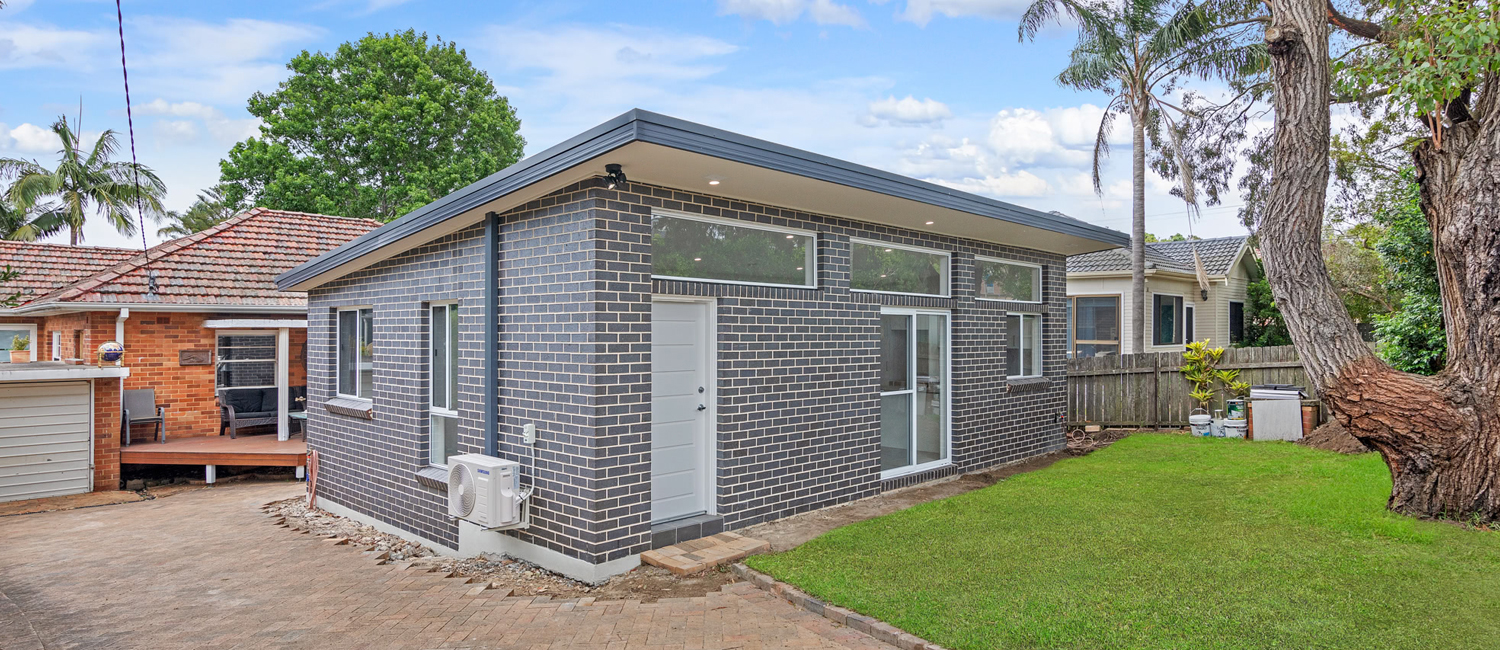
How Much Does It Cost to Build a Verandah?
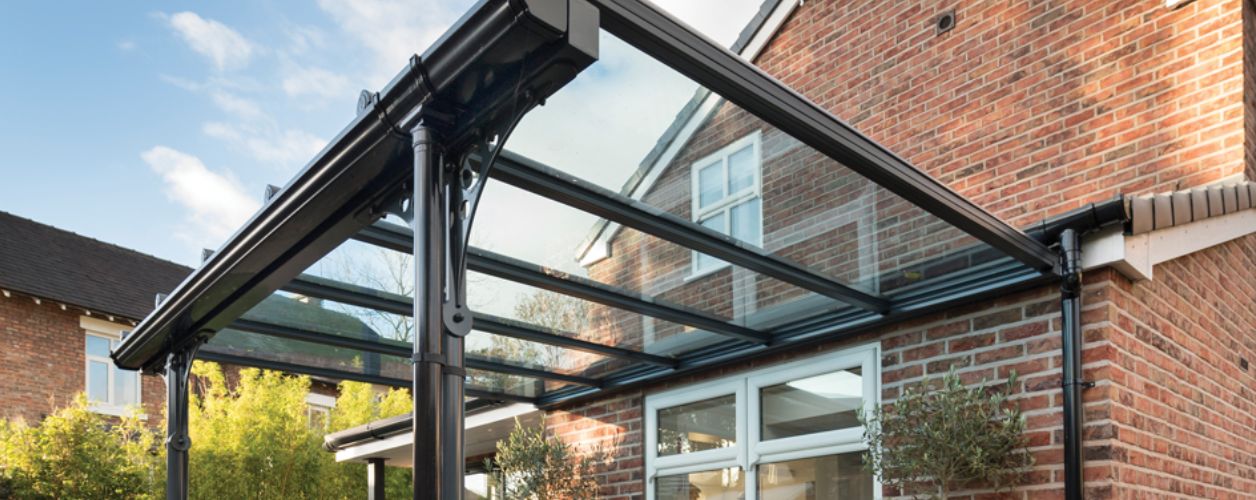
Verandah Building Cost Range: $2,000 to $20,000
Table of Contents
- Introduction
- How Much Does A Verandah Cost?
- Types of Verandahs and Their Costs
- Verandah Designs and Their Impact on Cost
- Verandah Materials Costs Breakdown
- Labour Costs for Verandah Installation
- Permits, Regulations, and Additional Costs
- Cost-Saving Tips Without Compromising Quality
- Verandah Cost Scenarios
- Conclusion
- FAQs
Verandah Building Cost Range: $2,000 to $20,000
A basic timber verandah ranges from $2,000–$7,000, while aluminium or modular options cost $3,000–$9,000. Premium steel or insulated roof verandahs fall between $8,000–$20,000, and custom designer verandahs with decking and integrated lighting can reach $10,000–$20,000+, depending on complexity.
Cost to Build A Verandah: Know the Costs For Materials, Installation, Permits And Designs
A verandah isn’t just an extra outdoor space – it’s a lifestyle upgrade. Whether it’s a spot for morning coffee, weekend BBQs, or just a shaded retreat from the Australian sun, a well-designed verandah can transform your home.
But before you start dreaming about timber beams or sleek glass panels, it’s important to understand the costs involved. Building a verandah in Australia involves more than just buying materials. Labour, design, permits, and even subtle extras like lighting or ceiling fans can all add up. Costs vary widely depending on the material you choose, the style and size of your verandah, and whether you hire a professional builder or go the DIY route.
This guide will give you a complete breakdown of verandah costs in Australia, including materials, designs, permits, and labour, so you can budget effectively and avoid any surprise expenses. By the end, you’ll have a clear picture of what it takes to bring your outdoor space vision to life.
How Much Does A Verandah Cost?
The cost of a verandah in Australia can range dramatically, usually from $2,500 for a small, basic timber structure to over $20,000 for a large, premium verandah with custom features. On average, homeowners can expect to pay around $5,000 to $15,000 for a mid-range verandah that balances quality, size, and materials.
Cost is often calculated per square metre, with typical rates ranging between:
- $60–$130/m² for basic timber or aluminium verandahs
- $90–$180/m² for high-end materials like glass, frameless designs, or custom steel structures
Verandah Kits
A verandah kit is a pre-designed, ready-to-assemble package that includes all the core materials you need, posts, beams, roofing sheets, and hardware. It’s typically more affordable than a custom build, with prices usually ranging from $1,500 to $8,000 depending on the size, material, and style. Great for budget-friendly installs or confident DIYers.
Several factors influence the overall cost:
- Size: Bigger verandahs require more materials and labour.
- Materials: Timber, aluminium, Colorbond, or glass all have different price points.
- Labour: Hiring a professional builder will cost more but ensures compliance with building codes.
- Design complexity: Curved roofs, multi-level layouts, and extra features like outdoor kitchens increase cost.
- Location: Urban areas may have higher labour and permit fees compared to rural regions.
Understanding these variables early will help you make informed decisions and avoid overspending.
Types of Verandahs and Their Costs
When it comes to building a verandah, the material you choose has a huge impact on both style and cost. Here’s a breakdown of the most common types in Australia:
Timber is the classic choice for a warm, natural look. Hardwood (like Merbau or Spotted Gum) is more expensive but extremely durable, while softwood (like pine) is cheaper but requires more maintenance.
Cost range: $50–$70/m²
- Pros: Natural aesthetic, customizable finishes, can be painted or stained
- Cons: Requires regular maintenance, can be susceptible to termites if untreated
Aluminium is lightweight, low-maintenance, and resistant to rust – perfect for the Australian climate. It’s ideal for sleek, modern verandahs.
Cost range: $60–$90/m²
- Pros: Long-lasting, minimal upkeep, corrosion-resistant
- Cons: Limited colour options, can look industrial if not designed well
Colorbond steel roofs are a popular choice for both attached and freestanding verandahs. They’re durable and available in a wide range of colours.
Cost range: $80–$130/m²
- Pros: Weather-resistant, low-maintenance, modern appearance
- Cons: Can be noisy in rain, requires professional installation
For a premium look, glass verandahs or frameless options give a modern, open feel. These are usually paired with aluminium or steel frames.
Cost range: $80–$150/m²
- Pros: High-end, maximises natural light, minimal visual obstruction
- Cons: Expensive, fragile, requires specialist installation
Other Options (PVC, Composite Materials)
PVC and composite materials offer a middle ground between timber and metal. They’re low-maintenance and often budget-friendly.
Cost range: $90–$180/m²
- Pros: Easy to maintain, affordable, resistant to rot and pests
- Cons: Less durable than timber or metal, limited design options
The choice of material not only affects upfront cost but also long-term maintenance and aesthetic appeal. Balancing budget and style is key.
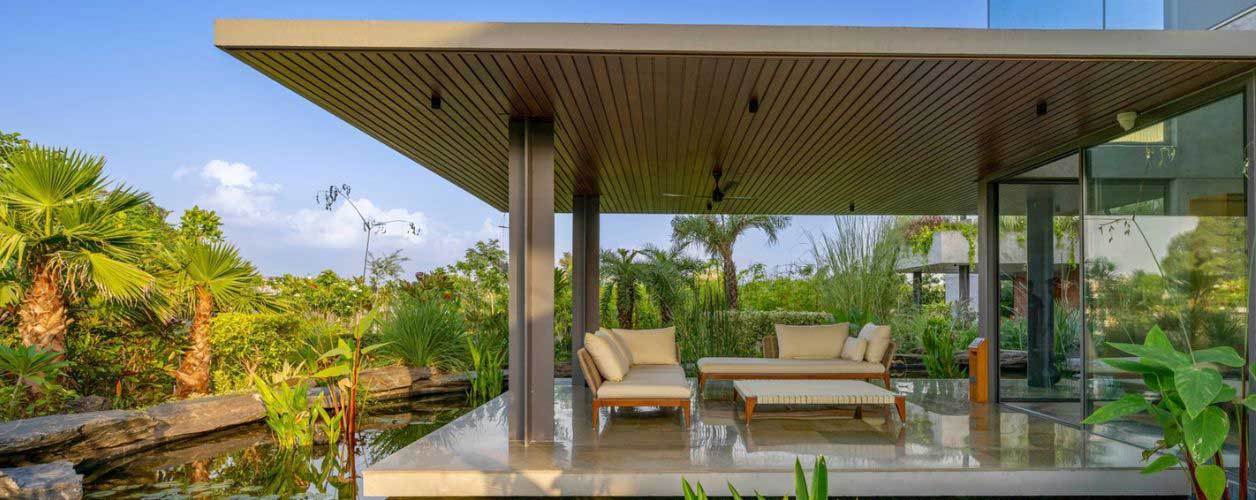
Verandah Designs and Their Impact on Cost
Freestanding vs Attached Verandahs
- Freestanding verandahs: Stand alone and offer flexibility, but usually cost more due to extra foundation work. It typically costs 10–15% more compared to the attached verandah.
- Attached verandahs: Connected to the house, often cheaper and easier to integrate with existing structures.
Roof Style and Its Influence on Cost
- Gable Roof: Classic pitched design, great for drainage, moderately priced.
- Flat Roof: Simpler construction, more affordable, may require better waterproofing.
- Skillion Roof: Modern angled look, cost-effective and easy to build.
- Curved or Custom Roofs: Premium look but significantly more expensive.
Size and Layout Considerations
- Larger verandahs need more materials and labour; however, doubling the size doesn’t always double the cost due to economies of scale in construction.
- Complex layouts (L-shaped, multi-level) increase labour hours and material wastage.
Custom Features
Adding extras like ceiling fans, integrated lighting, blinds, or outdoor kitchens can add anywhere from $500 to $5,000+, depending on the complexity.
- Lighting & Fans: $300–$1,000
- Outdoor Kitchen/BBQ: $2,000–$5,000+
- Screens or Blinds: $500–$2,000
Decide early which features are “must-haves” vs “nice-to-haves” to avoid budget blowouts. A well-planned design can save thousands in both material and labour costs.
Verandah Materials Costs Breakdown
The choice of materials has one of the biggest impacts on the total cost of a verandah. Here’s a closer look at the main material categories and their cost ranges in Australia:
Framing Material Cost
- Hardwood (Merbau, Spotted Gum) $50–$70/m²
- Softwood (Pine, Radiata) $50–$70/m²
- Aluminium $60–$90/m²
- Steel / Colorbond $80–$130/m²
Roof Coverings
- Metal sheeting $40–$80/m²
- Polycarbonate sheets $60–$120/m²
- Tiles (ceramic/concrete) $80–$150/m²
Flooring Materials
- Timber decking $100–$200/m²
- Concrete slab $80–$150/m²
- Tiles $120–$250/m²
- Composite decking $120–$250/m²
Paints, Stains, and Finishes
- Exterior timber stains/paint $30–$60/m²
- Sealants & protective coatings $20–$50/m²
Labour Costs for Verandah Installation
Labour is often the highest single cost in a verandah project. The complexity of the build, materials, and local rates all factor in.
Average Rates
- Carpenters/builders: $50–$120 per hour
- Specialist trades (glass, tilers): $60–$150 per hour
- Overall labour cost (mid-range): $2,500–$8,000
DIY vs Professional Verandah Installation
DIY: Saves money upfront, but can be risky if you’re inexperienced. Mistakes can lead to leaks, structural issues, or non-compliance with building codes.
Professional: Ensures safety, proper permits, and high-quality finish. Often worth the cost for complex or larger designs.
Permits, Regulations, and Additional Costs
Before you start building, it’s crucial to understand council regulations and permits in Australia. Failing to comply can lead to fines or having to redo your work.
When a Permit Is Required
- Most councils require a building permit for attached verandahs or structures exceeding certain dimensions.
- Freestanding verandahs or small decks may sometimes be exempt, but it’s always best to check local council rules.
- Planning approvals may also be needed if your verandah affects neighbours’ views, heritage properties, or bushfire zones.
Cost of Permits and Inspections
- Council permit fees: $200–$1,500 depending on size/complexity
- Building inspections: $150–$500 per inspection
Compliance Costs
- Building codes: Ensuring structural integrity, fire safety, and wind resistance may add $500–$2,000.
- Additional: Drainage, retaining walls, landscaping, and electricity.
Tip: Always factor in 5–10% of your budget for permits, compliance, and unexpected site work.
Cost-Saving Tips Without Compromising Quality
Building a verandah doesn’t have to break the bank. Here are some smart ways to save money:
Opt for low-maintenance timber or aluminium instead of high-end glass or premium hardwood if you’re on a budget. Composite decking offers long-term savings by reducing maintenance.
Pre-designed kits are cheaper and faster to install. Fully custom layouts add complexity, increasing labour and material costs.
Combining verandah construction with other home improvements can save on labour. Also, building off-season may reduce labour costs and avoid peak summer pricing spikes.
Stick to essential features: a sturdy roof, good flooring, and basic lighting. Extras can be added later.
Verandah Cost Scenarios
To give a clearer picture, here are some realistic verandah cost scenarios based on material, size, and design.
| Verandah Type | Size | Material | Labour & Install | Additional | Estimated Total Cost |
|---|---|---|---|---|---|
| Small Timber Verandah | 12 m² | Softwood | $2,500 | $300 | $2,000–$7,000 |
| Medium Aluminium Skillion Roof | 25 m² | Aluminium & Colorbond | $5,000 | $500 | $3,000–$9,000 |
| Large Glass/Frameless | 40 m² | Glass & Steel | $8,000 | $1,000 | $8,000–$20,000+ |
Conclusion
Building a verandah in Australia can be a rewarding investment for your home, offering comfort, style, and increased property value. However, costs vary widely depending on materials, size, design, labour, and permits. Timber, aluminium, Colorbond, or glass all have different price points, and your choices will affect both upfront costs and long-term maintenance.
Planning carefully, comparing multiple builder quotes, and considering all hidden costs, including council permits, compliance, and extra features, can save you thousands. By understanding the variables involved, homeowners can make informed decisions and avoid unpleasant surprises.
Ultimately, a verandah is more than just an outdoor structure; it’s an extension of your home. With the right planning and budgeting, you can create a functional, stylish space that suits your lifestyle and fits your budget.
Costs of various services and materials in this cost guide should be taken as estimates. These depend on location, preference and demands in the market.
Answers to Your Common Questions
Hardwood timber, aluminium, and Colorbond steel are highly durable and weather-resistant, ideal for long-term use.
Not always. Small freestanding verandahs may be exempt, but attached verandahs or those exceeding certain dimensions usually require permits. Always check local council rules.
A small timber verandah can take 1–2 weeks, while a larger aluminium, Colorbond, or glass verandah may take 3–6 weeks, depending on design complexity, council approvals, and weather conditions.
Yes, extending an existing verandah can be cost-effective, but you may still need council approval, and costs will depend on material matching, structural integrity, and labour.
Timber verandahs need periodic sealing or staining to prevent weather damage. Metal verandahs usually only need a wash to remove debris. Glass verandahs require regular cleaning to maintain clarity.
Yes, but additional foundation work may be required, which can increase costs. Options include concrete footings, adjustable posts, or retaining walls, depending on the slope.
Consider Colorbond roofing, shade screens, or outdoor blinds to reduce heat. Adding ceiling fans or pergola-style louvres can also improve airflow and comfort.
Yes, pre-designed kits are generally more affordable than custom-built verandahs. They’re easier to install, but may offer less flexibility in size, style, and features.
YOU MIGHT ALSO BE INTERESTED IN
![How Much Does It Cost to Build a House in Australia? [2026]](https://servicetasker.com.au/storage/2024/02/1707463413.jpg)