How Much Does It Cost to Build a Staircase? (2026)
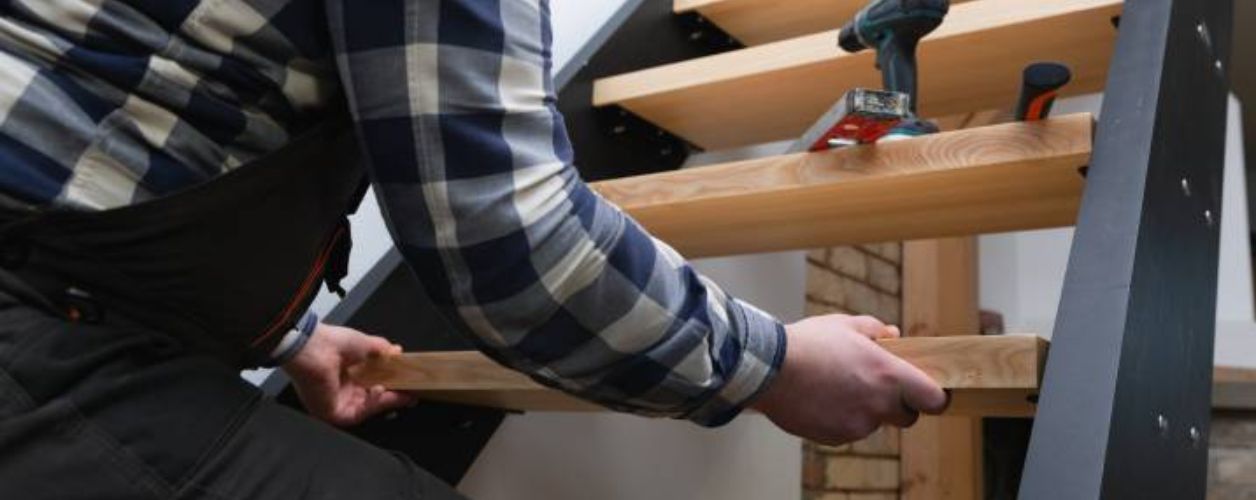
Average Staircase Cost: $4,000 to $40,000+
The short answer: A standard internal staircase in Australia typically costs between $4,000 and $8,000 fully installed. However, if you want a "feature" staircase—exposed hardwood, steel mono-stringers, or floating treads—costs generally start at $15,000 and can easily exceed $40,000 for high-end architectural works.
Table of Contents
- Introduction
- Average Staircase Building Costs
- Cost Breakdown by Staircase Geometry
- Material Costs: Timber vs. Steel vs. Concrete
- The "Floating" Staircase: Why is it expensive?
- Balustrade and Handrail Costs
- What Increases Staircase Costs?
- Building Regulations That Affect Cost
- Step-by-Step Installation Process
- Is a Custom Staircase Worth It?
Staircase Cost Range: $4,000 to $40,000+
How Much Does Staircase Building Cost in Australia?
Staircases are one of the most complex structural elements in any home. They are not just a way to get from the ground floor to the first floor; they are precise feats of engineering that must meet strict safety codes while enduring decades of foot traffic.
Because of this, the price gap between a basic "carpet-grade" staircase and a designer "floating" system is massive. Costs vary wildly depending on geometry, materials, and the engineering required to hold them up.
In this guide, you’ll learn what staircase builders costs in Australia, the difference between standard and architectural flights, and how to budget for the balustrading that often doubles the price.
Average Staircase Building Costs in Australia
The short answer: A standard internal staircase in Australia typically costs between $4,000 and $8,000 fully installed. This buys you a functional, carpet-grade timber stair (MDF treads and risers) suitable for covering with carpet or timber overlay.
However, feature staircases start at $15,000 and go up from there.
Quick Cost Overview (Supply & Install)
| Staircase Type | Cost Range (Estimated) | Best For |
|---|---|---|
| Basic Straight Flight (MDF/Pine) | $3,500 – $5,500 | Budget renovations, carpet finishing |
| L-Shape / U-Shape (MDF/Pine) | $5,000 – $8,500 | Standard double-storey homes |
| Hardwood (Vic Ash/Spotted Gum) | $10,000 – $18,000 | Feature entryways, visible timber finish |
| Steel Stringer / Open Riser | $15,000 – $25,000 | Modern, industrial aesthetic |
| Floating / Cantilevered | $25,000 – $50,000+ | Luxury architectural homes |
| Spiral / Helical | $20,000 – $60,000+ | Space-saving or sculptural statement |
Note: These prices usually include the structure and standard handrails. High-end glass balustrading is often priced separately and can add $500–$1,000 per metre.
Cost Breakdown by Staircase Geometry
The shape of your stairwell dictates the complexity of the build. Carpenters and manufacturers charge based on the difficulty of fabrication and installation.
1. Straight Flight
A single linear run of steps with no turns or landings.
- Typical Cost: $3,500 – $6,000.
- Why: Access is easy, and all treads are identical.
2. L-Shape or U-Shape
The stair changes direction by 90 or 180 degrees, usually incorporating a flat landing platform.
- Typical Cost: $5,500 – $9,000.
- Why: Landings require structural support and handrail wreathing adds labour.
3. Winder Stairs
A turn without a flat landing. The steps themselves are wedge-shaped (triangular).
- Typical Cost: $6,000 – $10,000.
- Why: High labour. Each winder tread must be custom-cut.
4. Spiral and Curved
A stair that winds around a central pole or a free-standing curve.
- Typical Cost: $20,000 – $60,000+.
- Why: Custom fabrication and bending handrails is specialised work.
Material Costs: Timber vs. Steel vs. Concrete
Once you have the shape, the material selection determines the finish and the price tag.
Standard for most project homes. Designed to be covered entirely by carpet or timber overlay.
Cost: Low.
Solid Australian timbers like Victorian Ash or Spotted Gum. Requires meticulous installation.
Cost: Medium-High ($10,000+).
A large steel beam supports the treads, often open with no risers. Requires engineering and fabrication.
Cost: High ($15,000+).
Poured in situ or pre-cast. Industrial look, extremely durable, but cladding adds cost.
Cost: Variable ($5,000 to $13,000+).
The "Floating" Staircase: Why is it so expensive?
Floating (cantilevered) stairs are the ultimate design trend, appearing to stick out of the wall with no visible support.
Typical Cost: $25,000 – $50,000+.
Why the high price?
You aren't just paying for the visible wood. You are paying for a massive structural steel frame hidden inside the wall.
- Engineering: Structural design to prevent bouncing.
- Wall Reinforcement: Steel stringer embedded in the wall before plaster.
- Thick Treads: Box-constructed treads with steel cores.
Balustrade and Handrail Costs
A common budgeting mistake is forgetting the balustrade. Pricing is generally per linear metre.
- Timber Balusters & Handrail: $250 – $400 per metre. Classic and cost-effective.
- Stainless Steel Wire: $300 – $500 per metre. Maintains views but requires sturdy posts.
- Glass (Semi-Frameless): $500 – $800 per metre. Good for light flow.
- Glass (Frameless / Channel Fixed): $900 – $1,500+ per metre. Premium invisible look, requires structural steel channels.
What Increases Staircase Costs the Most?
Beyond the obvious material choices, these factors will inflate your quote.
1. Open Risers
Often more expensive than a closed stair. Without the structural riser, stringers and treads must be thicker and finished on all sides.
2. Renovation Retrofitting
Replacing a staircase in an existing home is significantly harder than building one in a new home due to demolition, making good, and access constraints.
3. Curved Handrails
Continuous timber handrails that flow seamlessly around corners (wreathing) require a master craftsman, adding $2,000 – $5,000.
Building Regulations That Affect Cost
In Australia, staircases are strictly regulated by the National Construction Code (NCC).
- The Riser and Going Rule: Dictates the strict dimensions of steps, which determines floor space usage.
- The 125mm Sphere Rule: Gaps cannot be larger than 125mm, requiring limiter bars on open riser stairs.
- Slip Resistance: Smooth timber stairs may need specific anti-slip coatings or nosing strips (P3 or P4 rating).
Step-by-Step Installation Process
Understanding the workflow helps you manage trades and payments.
Laser measurements are taken on-site before off-site fabrication begins (2-6 weeks).
Structure installed (often before plaster for new builds), protected during construction. Balustrades and polishing happen at the end.
Is a Custom Staircase Worth It?
If your staircase is tucked away in a hallway and purely functional, stick to a standard carpet-grade flight ($4,000 – $6,000). It is durable, quiet, and cost-effective.
However, if the staircase is in the entry foyer or an open-plan living area, it is a piece of furniture. Upgrading to hardwood or a steel spine ($15,000+) offers a high return on investment by creating a "wow" factor that defines the home’s character.
Pro Tip: If you want the hardwood look for less, build a standard MDF stair and install timber overlay treads later.
Costs of various services and materials in this cost guide should be taken as estimates. These depend on location, preference and demands in the market.


YOU MIGHT ALSO BE INTERESTED IN
Capital Cities
- Staircase Builder Services in Melbourne
- Staircase Builder Services in Brisbane
- Staircase Builder Services in Sydney
- Staircase Builder Services in Adelaide
- Staircase Builder Services in Perth
- Staircase Builder Services in Canberra
- Staircase Builder Services in Hobart
- Staircase Builder Services in Darwin