How Much Does Deck Sanding Cost?
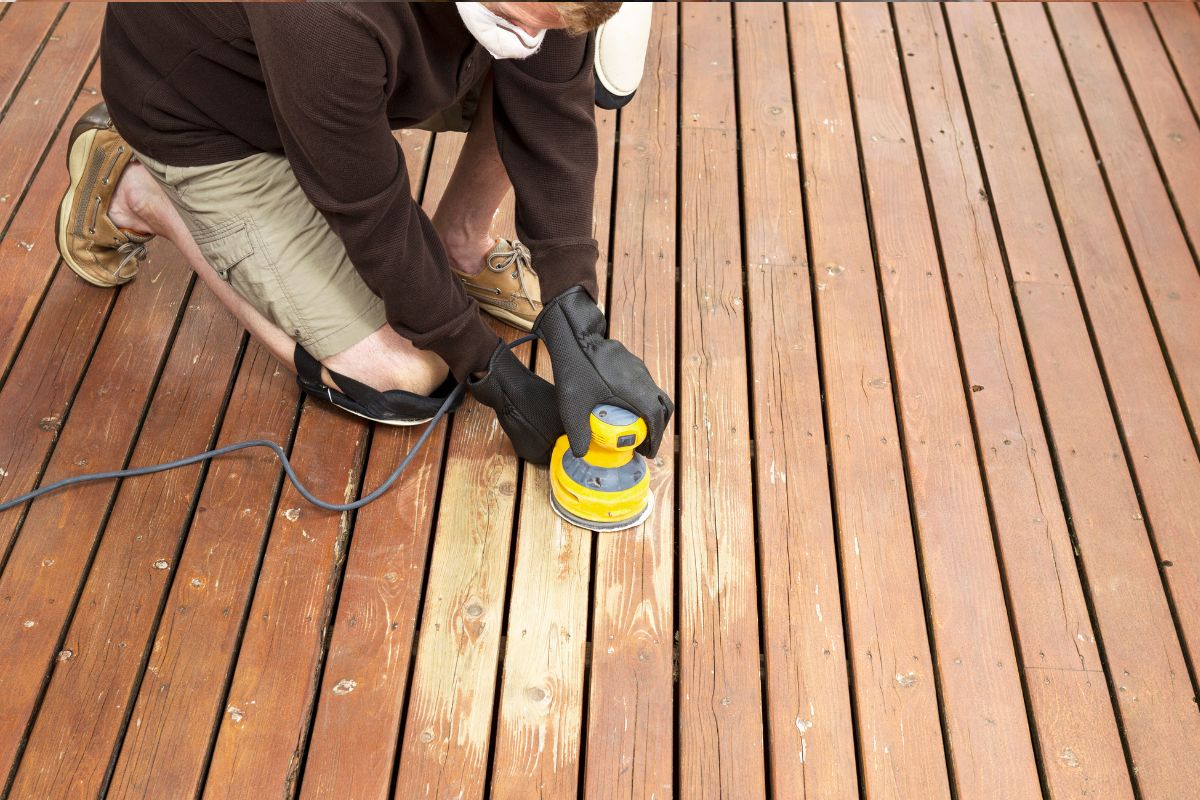
Average Deck Sanding Cost: $25 to $60 per m2
Deck sanding costs can range from $300 to $2500, depending on the size and condition of the deck, with smaller decks costing less and larger decks costing more.
Table Of Content
- Introduction
- Average Cost for Deck Sanding in Australia
- Factors Affecting the Cost of Deck Sanding
- Hardwood vs. Softwood: The Janka Scale Impact
- Common Types of Deck Sanders and Their Costs
- Technical Specs: The Grit Sequence
- Detailed Cost Breakdown for Deck Sanding
- Hidden Labor: Nail Punching & Screw Countersinking
- DIY vs Professional Deck Sanding
- Tips for Saving on Deck Sanding Costs
- Maintenance ROI & Property Value
- Conclusion
How Much Does Deck Sanding Cost? Your Guide To Understanding And Saving Costs
Australia's residents must perform professional deck sanding procedures to maintain their deck structures because extreme weather conditions require this maintenance step. Regular deck sanding works on timber and composite materials to bring back visual appeal as well as lengthen lifetime and reinforce fundamental deck support. A deteriorated deck can benefit from deck sanding to achieve a fresh new appearance.
We will go in-depth about the expenses of deck sanding along with its cost determinants and procedures both with DIY approaches and professional entities and provide affordable solutions for your following deck sanding project.
Average Cost for Deck Sanding in Australia
Basic Deck Sanding Cost
Sand deck pricing in Australia exists between $25 to $60 per square meter for the average customer. A typical sanding job for decks between 20 square metres in size requires payment ranging from $500 to $1,200 by homeowners. The cost of sanding and restoring larger intricate decks reaches excessive levels between $1000 and $3000 and sometimes more based on their size and condition.
The overall cost of deck prices depends on the deck size and timber type while separate prices exist for professional sanding services and self-sanding operations.
Full Deck Restoration vs Basic Sanding
A complete restoration that includes sanding in addition to staining and sealing will cost between $50 to $150 per square meter. Deck owners choose this because they need protection as well as preservation following the sanding process. The affordable method of sanding proves ineffective for enduring protection against precipitation and weather conditions.
A complete restoration of a 40 square metre deck price range falls between $2,000 and $6,000 but this amount might increase based on the requirement of sealing or staining applications.
Factors Affecting the Cost of Deck Sanding
Knowledge about the fundamental variables that shape deck sanding expenses permits you to establish your project financial plan. The final price of deck sanding depends on three major factors: the measure of the deck space, how bad its condition is, and what specific materials are selected. Here are the main factors:
Deck Size
Deck surface dimensions stand as the primary cost-initiating aspect when performing deck sanding. Bigger decks demand greater time resources along with more effort and materials for sanding operation. The time required for deck sanding depends highly on its size so small decks take just a few hours but larger decks demand multiple days to complete the task.
Example Cost Estimation:
The total expenses for a 10-square-metre deck fall between $250 and $600.
The expense for sanding a 40-square-metre deck ranges from $1,000 to $2,400.
Deck Condition
Intensive work that includes removing multiple layers of dirt and grime together with old finishes becomes necessary when decks display significant weathering as well as surface marks and staining. The duration of sanding operations will expand and additional repair work will become necessary because deep gouges, worn areas or visible wood rot on your deck raises its overall cost.
Decks with severe damage or advanced weathering will result in higher costs because professional labour intensifies to complete the project.
Hardwood vs. Softwood: The Janka Scale Impact
In Australia, the species of timber used for your decking significantly dictates the labor time. Professionals use the Janka Hardness Scale to estimate how many sanding belts they will consume.
- Treated Pine (Softwood): Janka Rating ~3.3. Easiest to sand. Standard pricing applies.
- Merbau: Janka Rating ~8.6. The most common Australian deck. Requires mid-range effort.
- Spotted Gum / Jarrah: Janka Rating ~11.0+. Extremely dense. Sanding these timbers can take 30-50% longer, often increasing the quote by $10-$15 per sqm.
Common Types of Deck Sanders and Their Costs
Orbital Sanders
- The cost to hire this equipment ranges from $30 to $60 per day. An orbital sander is a suitable choice when you have smaller deck work that requires minimal area sanding.
- New orbital sanders have purchase prices that range between $100 and $300 based on their brand identity and additional features. The purchase of advanced deck sanders with premium features can reach costs higher than $300.
Floor (Drum) Sanders
- The daily rental fee for drum sanders ranges from $50 to $80. The floor sanding machine operates at an intense level due to its powerful specifications making it appropriate for extensive deck sanding operations of big dimensions.
- The price range for buying drum sander equipment stretches from $400 to $1,200. Professional-grade sanders occupy the most expensive part of this price group.
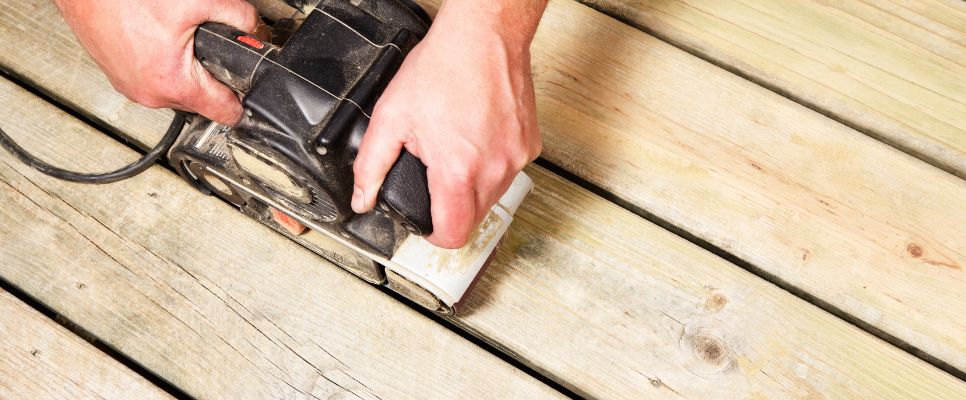
Belt Sanders
- One can expect to pay $30 to $50 for daily rental costs of a belt sander. This piece of equipment functions best on extensive surfaces to quickly strip big quantities of material.
- A belt sander acquisition falls within the price range of $100 to $500. The price range of this category includes economy versions alongside advanced high-end products.
Technical Specs: The Grit Sequence
A professional finish isn't achieved in one pass. To rank as a high-quality restoration, a three-step grit sequence is required, which impacts material costs:
- Coarse (40 Grit): Used to strip away old stubborn stains and level out warped boards.
- Medium (60 Grit): Removes the scratches left by the 40-grit paper.
- Fine (80 Grit): The final pass that opens the wood grain just enough to accept a new sealer or stain. Note: Going higher than 100 grit on outdoor decks can "burnish" the wood, preventing oil absorption.
Detailed Cost Breakdown for Deck Sanding
Labour Costs
The cost of labour makes up a considerable part of the total expense. During most deck sanding operations, people get billed according to a standard hourly rate. Sanding contractors establish their hourly rates from $40 up to $80 according to location and sanding expertise. Standard sanding of small to medium-sized decks requires a total labour period that ranges from 4 to 8 hours.
Equipment and Material Costs (DIY)
Self-performers renting sanding equipment will face daily rental fees between $50 and $150 based on the chosen model. Floor sanders at basic and industrial levels are available through different rental locations for various sizes of decks.
Sandpaper is a necessary item for this project and costs approximately $10-$20 per sheet. The additional materials needed for staining and sealing the deck might include stain and sealant and brushes while their total cost falls between $100 and $500.
Hidden Labor: Nail Punching & Screw Countersinking
If your deck has raised nails, they will rip a $20 sanding belt to shreds in seconds. A professional must "punch" every single nail below the surface (2-3mm) before starting. For a medium deck, this can involve 1,500 to 3,000 nails. If a contractor includes this in the quote, expect an additional $200 - $400 in labor charges. Skipping this step leads to a ruined finish and damaged equipment.
Additional Costs to Consider
The basic cost for deck sanding appears reasonable at first but several important expense factors will increase the final bill. The following list contains some standard extra expenses you need to consider:
Repairs and Deck Replacement
Inspection for structural damage must occur before starting the sanding process. All boards with rot and loose nails need fixing before starting the sanding process. When deck boards experience damage or weakening it requires the replacement of the defective sections while implementing strengthening methods in the affected zones. The price for deck repairs ranges from $100 to $500 after considering the severity of the damage.
Sealing and Staining
The results from basic sanding operations cannot adequately restore your deck to its original state. Protection of wood against natural elements and maintenance of the newly sanded surface requires a proper sealing or staining product application. The cost of sealing measures between $2 to $10 per square metre while it protects your deck from both weather elements and ultraviolet rays and moisture.
Waste Removal
The dust along with debris from sanding operations becomes difficult to handle during the process. Waste disposal service may be a part of contractor quotes but independent charges for sanding dust cleanup together with old finish and debris removal exist in some cases. The expense of waste disposal stands between $50 and $100.
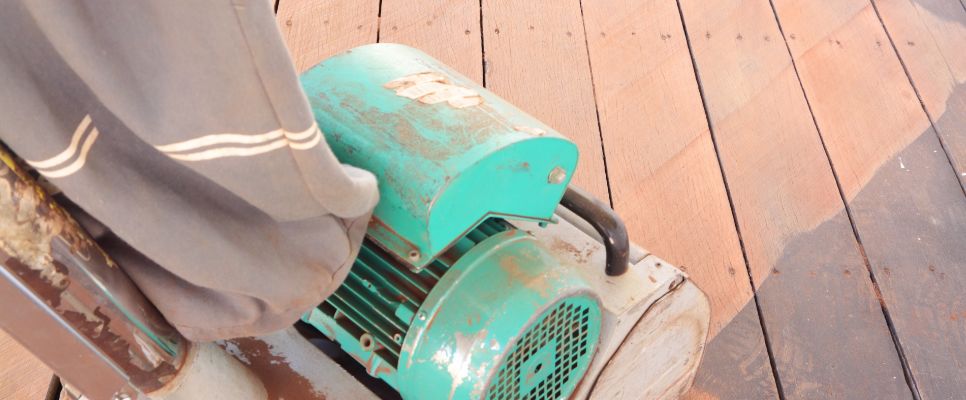
DIY vs Professional Deck Sanding
The decision to do your sanding work instead of hiring expertise depends on the amount of time you have, your skill level and monetary resources. The two approaches to deck refurbishment work for diverse circumstances but present different advantages and disadvantages.
DIY Deck Sanding
Pros of DIY Deck Sanding:
- Performing sanding yourself results in the greatest financial savings because you avoid paying professional labour fees.
- You have complete control over your work pace and timing when doing the job.
- Restoring your deck successfully creates personal satisfaction because it proves to be an enriching rehabilitation experience.
Cons of DIY Deck Sanding:
- The job will become more time-consuming when you perform deck sanding because insufficient tools or experience will lead to extended work duration.
- A novice handler faces potential problems when carelessly sanding a deck which might result in poor sanding quality and destruction of the decking surface.
- Buying or renting appropriate sanders for deck sanding will raise the overall cost since you lack the needed equipment.
Professional Deck Sanding
Pros of Professional Deck Sanding:
- Specialized deck professionals utilize their professional tools and competencies for high-quality outcome achievement.
- Skilled professionals need less time to finish sanding work compared to those without experience doing the job themselves.
- A professional handles deck sanding by making sure the surface receives proper sealing treatments which provide extended durability.
Cons of Professional Deck Sanding:
- The expense of hiring labor professionals as well as the necessary equipment fees prove to be costly.
- Your ability to control the duration and materials selection process will probably decrease when you utilize professional deck sanding services.
Tips for Saving on Deck Sanding Costs
The expense of deck sanding can be reduced through various efficient cost-reduction methods.
- Shop Around for Quotes:
Selecting the first bid you get will not yield optimal results. Obtain quotes from three different providers then inquire about combined quotes that combine the prices of professional decking sealing and staining services. - Opt for the Off-Season:
Contractors perform fewer sanding deck services in fall and winter seasons thus providing better opportunities to get discounted prices. - Complete Prep Work Yourself:
Cut down your expenses by eliminating clutter from the deck area then moving objects aside and using cleaning products before starting the sanding work. The contractors require fewer hours of work because they perform fewer preliminary tasks. - Do Partial Sanding:
You should opt for limited sanding work on your deck if restoration is not necessary along with repairing its most troublesome areas. Materials along with labor expenditure will decrease through partial sanding. - Consider Sealing Over Staining:
A cost-effective and protective solution exists in sealing which proves cheaper than staining and should work for your budget unless you specifically demand staining.
Maintenance ROI & Property Value
Is deck sanding worth the investment? According to Australian real estate data, a well-maintained timber deck can add between 5% and 10% to a home's total value. Restoration typically yields an ROI of 70-80%. In contrast, leaving a deck to rot can result in a full replacement cost of $15,000 - $30,000, making the $1,500 sanding cost a significant long-term saving.
Conclusion
Understanding all the associated expenses is vital to obtaining a fresh outdoor appearance and improved deck longevity from deck sanding work. The size of your deck along with its present condition, the timber species, and your decision to work independently or seek professional help will determine the framework for your suitable budget plan. Investing in professional sanding today prevents the massive expense of a full deck replacement tomorrow.
Costs of various services and materials in this cost guide should be taken as estimates. These depend on location, preference and demands in the market.
Answers to Your Common Questions
Yes, but it is high-risk. Belt sanders are aggressive and can easily leave "divots" or gouges in the wood if not kept perfectly level. For large areas, a drum sander or orbital floor sander is safer.
In Australia's harsh UV climate, a deck should be sanded every 3 to 5 years, depending on the quality of the sealer used and the amount of direct sun exposure.
Yes. Use a dedicated deck cleaner (sodium percarbonate) to remove mould and graying wood fibers. This prevents the sandpaper from clogging instantly with gunk.
YOU MIGHT ALSO BE INTERESTED IN
![How Much Does Decking Installation Cost? [2026]](https://servicetasker.com.au/storage/2024/02/1707286976.jpg)