How Much Does a Stonemason Cost?
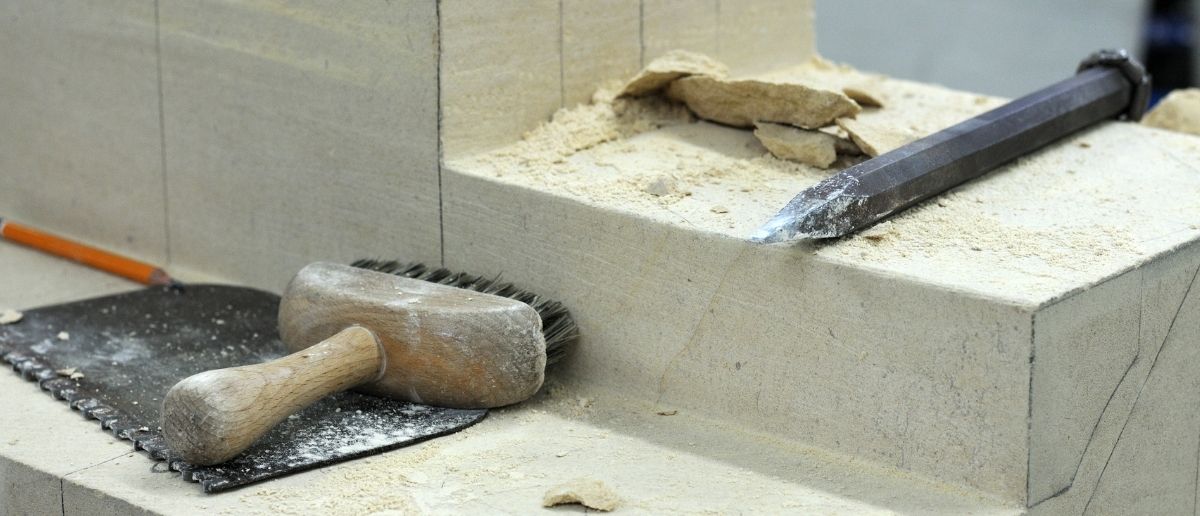
Stonemasonry Cost: $2,500 to $5,000+ (Benchtops)
Stonemasons in Australia price their work based on the material properties of the stone, the complexity of the fabrication, and the physical difficulty of the on-site installation. You can expect to pay around $2,500 to $5,000 for standard kitchen benchtops, and up to $1,500+ per square metre for high-end natural stone fabrication.
Table of Contents
- Introduction
- What Does a Stonemason Do?
- Differentiating Stonemasonry Roles
- Typical Stonemasonry Costs
- Cost Differences by Stone Type
- Factors That Increase Costs
- Technical Feasibility vs. Practice
- Common Misconceptions
- How to Get an Accurate Quote
- How to Compare Quotes Correctly
- Conclusion
Stonemasonry Cost Range: $2,500 to $5,000+ (Benchtops)
How Much Does a Stonemason Cost in Australia?
Stonework adds durability and value, but it is rarely cheap. Costs vary widely depending on materials and labour. In this guide, we explain stonemason pricing in Australia, how the professionals structure their quotes, and exactly what factors drive your final bill.
Let’s break down how to budget for your next stone project accurately and transparently, before hiring a stonemason.
What Does a Stonemason Actually Do?
Before you evaluate pricing, you must understand the specific scope of this trade.
- What: A stonemason cuts, fabricates, and installs stone products for residential and commercial projects. Their services include templating kitchen benchtops, crafting bathroom vanities, laying exterior stone paving, and constructing structural retaining walls.
- Why: Stonemasonry costs vary significantly between projects because stone type directly dictates labour intensity. Harder natural stones require specialised diamond-tipped cutting tools and take much longer to polish.
- How: Stonemasons typically charge for labour and materials using two distinct methods: per square metre for bulk exterior work, and a total package price (slab + fabrication + installation) for custom residential interiors.
Differentiating Stonemasonry Roles
A common source of pricing confusion comes from misunderstanding the different specialities within stonemasonry.
Fabrication vs. Installation
Fabrication happens in the workshop (cutting, polishing). Installation happens on-site (levelling, gluing). Most residential stonemasons handle both.
Benchtop vs. Monumental
Residential benchtop masons specialise in flat-panel slab work. Monumental masons specialise in carving solid stone blocks for restorations or statues.
Typical Stonemasonry Costs in Australia
Prices vary heavily by city, stone selection, and the size of your installation area.
| Job Type | Average Cost (AUD) | Pricing Structure |
|---|---|---|
| Kitchen Benchtops (Standard) | $2,500 – $5,000+ | Per project (Slab + Labour) |
| Bathroom Vanities | $800 – $1,500 | Per project (Slab + Labour) |
| Stone Cladding / Feature Walls | $150 – $350+ | Per square metre |
| Stone Paving (Exterior) | $80 – $200+ | Per square metre |
| Stone Retaining Walls | $300 – $600+ | Per square metre / cubic metre |
| Hourly Labour Rate | $80 – $150 | Per hour |
Note: High-end natural stones, complex edge profiles, or difficult site access will push your costs well above these average brackets.
Cost Differences by Stone Type
The material you choose is the single largest variable in your quote.
Crucial: Traditional high-silica engineered stone is banned in Australia. Zero-silica alternatives are standard.
Cost: $400 – $900 per m².
Incredibly dense and hard, requiring intense cutting and polishing labour.
Cost: $800 – $1,500+ per m².
Softer but fragile and prone to staining. Requires specialised handling and sealants.
Cost: $1,000 – $2,500+ per m².
Sedimentary stones primarily used for exterior paving and walls. Highly workable.
Cost: $100 – $300 per m².
Factors That Increase Stonemasonry Costs
Beyond the raw material, your design choices dictate the final labour bill.
1. Edge Profiling and Thickness
A standard 20mm "pencil round" edge is cheapest. Mitred edges (40mm look) double the fabrication labour. Complex profiles like "lamb’s tongue" add significant cost.
2. Sink and Cooktop Cut-Outs
Undermount sink cut-outs require polishing the internal rim, costing $300 – $500 more than drop-in cut-outs.
3. Site Access
Stairs, tight corners, or crane requirements directly increase the installation labour cost.
Technical Feasibility vs. Real-World Practice
In practice, Australian stonemasons commonly charge for flat slab fabrication using standard profiles and visible epoxy joins. Completely seamless solid carving or hyper-precise 3D book-matching is reserved for ultra-luxury architecture.
Common Misconceptions About Stonemasonry Costs
False. Fragile or hard materials dictate higher labour rates due to slower cutting speeds and careful handling.
Most reputable stonemasons refuse to fabricate client-supplied stone due to liability risks if the slab cracks.
You still pay for the extensive fabrication and installation labour, not just the raw material.
How to Get an Accurate Stonemasonry Quote
- Provide a dimensioned floor plan: Show exact lengths, widths, and exposed edges.
- Specify the exact stone product: Brand, colour name, and finish.
- Detail your edge profiles: 20mm standard, 40mm mitred, etc.
- List your cut-outs: Sink types (undermount/top-mount) and cooktops.
- Confirm site access: Stairs, parking, and terrain.
How to Compare Quotes Correctly
- Check join locations: Cheaper quotes use more joins.
- Verify material inclusion: Ensure premium brands aren't substituted for generics.
- Inspect edge finish: Check if underside polishing is included.
- Confirm sealing: Ensure supply and application of sealer is included for natural stone.
Conclusion
Stonemasons in Australia price their work based on material properties, fabrication complexity, and installation difficulty. Take control of your project budget by knowing exactly what drives these costs. Finalise your appliance choices early, specify your edge profiles clearly, and never assume that material cost equals installation cost.
Costs of various services and materials in this cost guide should be taken as estimates. These depend on location, preference and demands in the market.

YOU MIGHT ALSO BE INTERESTED IN