How Much Does a Plunge Pool Cost?
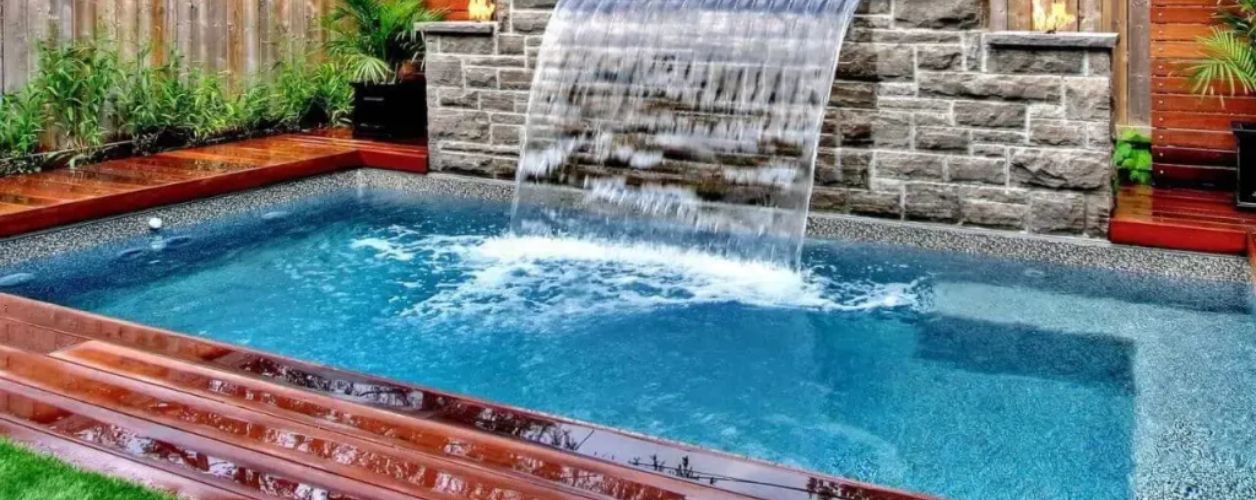
Plunge Pool Cost: $15,000 – $50,000
In Australia, a plunge pool typically costs around $15,000 – $50,000 for a standard installed pool, with smaller above-ground or DIY kits starting near $8,000–$15,000 and more customised or concrete plunge pools reaching $60,000 + depending on size, materials, site work and extras.
Table Of Contents
- 1. The Appeal of Plunge Pools Down Under
- 2. Real-World Plunge Pool Cost Ranges in Australia
- 3. What Drives Plunge Pool Pricing in Australia?
- 4. Typical Costs by Pool Size and Scope
- 5. Optional Add-Ons That Add to the Price
- 6. Running & Maintenance Costs
- 7. Permits, Compliance & Council Requirements
- 8. Should You DIY or Hire a Professional?
- 9. Conclusion & Call to Action: Get Professional Quotes
1. The Appeal of Plunge Pools Down Under
As Australian block sizes shrink and urban living becomes the norm, the traditional sprawling backyard pool is no longer a realistic option for every homeowner. Enter the plunge pool: a compact, relatively shallow pool designed specifically for small yards, pure relaxation, and cooling off during those scorching Aussie summers.
Plunge pools have skyrocketed in popularity across Australia. They offer the ultimate touch of luxury and versatility without sacrificing your entire lawn or outdoor entertaining area. Whether you want a chic concrete oasis in Sydney or a precast cooling tub in Brisbane, plunge pools fit perfectly into the modern Australian lifestyle.
However, when planning your backyard transformation, the most critical question is: How much does a plunge pool cost? It is vital to understand that the price tag involves far more than just buying the pool shell. To get an accurate budget, you must factor in site preparation, excavation, installation, pumping equipment, mandatory safety fencing, and optional features. In this guide, we break down exactly what you can expect to pay in 2025–2026.
2. Real-World Plunge Pool Cost Ranges in Australia
While it is tempting to look at the base price of a pool shell and assume that is your total budget, fully installed pools require a significantly larger investment. Below is a realistic breakdown of what Australians are currently paying.
Typical Installed Cost Ranges
| Type of Plunge Pool | Estimated Cost (AUD) | Notes |
|---|---|---|
| DIY Stock Tank / Basic Shell | $3,795 – $10,000 | DIY or basic shells, limited site work required. Great for rustic, above-ground setups. |
| Budget Fibreglass / Precast | $15,000 – $30,000+ | Most common mid-range plunge pool shell price (installation often quoted separately). |
| Standard Installed Pool | $30,000 – $50,000 | Includes the shell, standard excavation, and basic filtration/pumping equipment. |
| Mid-Range Fully Installed | $50,000 – $70,000+ | Larger plunge pools or those featuring upgraded tiles, heating, and premium decking. |
| Custom / High-End Concrete Pools | $70,000 – $100,000+ | Fully bespoke designs, complex site work, premium finishes, and infinity edges. |
💡 Note: Some entry-level DIY kits and small above-ground tanks can start as low as ~$3,800. However, for a fully installed, council-approved, and code-compliant plunge pool sunk into the ground, total costs typically sit well above $25,000.
3. What Drives Plunge Pool Pricing in Australia?
Why does one plunge pool cost $25,000 while another identical-looking pool costs $60,000? The final price is dictated by several major factors:
🧱 Pool Shell & Material
- Fibreglass: Highly popular due to its smooth finish and rapid installation time. You can expect to pay $15,000 to $30,000 for the shell alone.
- Concrete / Custom: If you want a bespoke shape to fit an awkward corner, concrete is the way to go. However, this labour-intensive process usually pushes the base price to $35,000 and beyond.
- Steel or PVC Options: Used for entry-level, above-ground, or unconventional stock-tank-style pools. These are the most budget-friendly but may not add as much value to the property.
🔨 Site Preparation
- Excavation and Soil: Digging the hole is rarely straightforward. Striking rock, dealing with reactive clay, or needing to export massive amounts of soil can easily add several thousand dollars to your quote.
- Tight Access and Cranes: If you live in an inner-city suburb with narrow side access, builders cannot use standard excavators. You may require specialized micro-diggers or a massive crane to lift a precast shell over your roof—which can add $2,000 to $5,000+ to the bill.
🛠 Equipment & Installation
- Filtration and Pumps: Every pool needs a pump, filter, and chlorinator/sanitation system to keep the water safe.
- Heating: Adding a heat pump to extend your swimming season will typically add a few thousand dollars.
- Trades: Licensed plumbing and electrical work are mandatory parts of a professional, compliant installation.
🧱 Safety Fencing & Compliance
- Pool Fencing: Under strict Australian standards, any body of water deeper than 300 mm requires compliant safety fencing. Depending on whether you choose standard aluminium tubing or premium frameless glass, fencing will add thousands of dollars to your total cost.
4. Typical Costs by Pool Size and Scope
The physical dimensions of your plunge pool directly impact the volume of water, the size of the equipment needed, and the amount of earth that must be excavated.
Approximate Installed Cost by Size
| Pool Size (Length) | Typical Installed Cost (AUD) |
|---|---|
| Small (2–4 m) | $15,000 – $40,000+ |
| Medium (4–6 m) | $30,000 – $60,000+ |
| Large / Custom (>6 m) | $60,000 – $100,000+ |
❗ Important Note: In major metro areas like Melbourne and Sydney, trades are in high demand and site access is notoriously tight. A completed mid-range build—including the shell, excavation, decking, frameless glass fencing, and equipment—frequently hits $55,000 to $70,000 depending on the exact site conditions and finishes chosen.
5. Optional Add-Ons That Add to the Price
A plunge pool is designed for luxury. Most homeowners choose to upgrade their basic shell with features that enhance relaxation and aesthetics. Here is what those extras will cost:
Features & Approximate Add-On Costs
- LED Lighting: ~$1,200 – $1,800 (essential for night-time ambience).
- Spa Jets or Water Features: ~$2,500 – $3,500+ (turns your plunge pool into a therapeutic hydro-spa).
- Heating (Heat pump, gas, or solar): ~$3,000 – $4,500 (allows you to use the pool year-round).
- Pool Covers & Automation Systems: ~$2,000 – $7,000 (smart systems that control heating and cleaning from your phone, plus hidden thermal covers).
6. Running & Maintenance Costs
One of the greatest advantages of a plunge pool is that its ongoing costs are a fraction of those of a traditional full-sized pool.
Because of the smaller water volume, it takes significantly less electricity to heat and filter the water, and you will use far fewer balancing chemicals. On average, Australian homeowners spend roughly $1,000 to $1,800+ per year on annual running and maintenance costs, depending heavily on how often the pool is heated and whether they use a professional pool-cleaning service.
7. Permits, Compliance & Council Requirements
You cannot simply dig a hole and fill it with water. Australian states have incredibly strict regulations regarding pool safety to prevent tragic drowning accidents.
- Fencing Standards: All states require strict compliance with the Australian Standard for pool fencing (AS1926). Your fence must be a specific height, have non-climbable zones, and feature a self-closing, self-latching gate.
- Council Approvals: You will need to submit plans to your local council or a private certifier before any earth is moved. Building permits, engineering approvals, and mandatory safety inspections will add permit fees and minor waiting times to your project timeline.
8. Should You DIY or Hire a Professional?
With the rise of "DIY pool kits" and stock tanks, many homeowners wonder if they can bypass builder fees and do it themselves.
DIY / Shell Only
- Pros: Significantly lower upfront cost. Buying a basic tank or shell directly from a manufacturer is appealing for those on a tight budget.
- Cons: High risk. You are personally responsible for council approvals, engineering compliance, correct backfilling, and safety fencing. Mistakes can lead to cracked shells, voided warranties, and severe council fines.
Professional Installation
- Pros: A licensed pool builder ensures flawless excavation, correct plumbing, perfectly leveled installation, and 100% compliance with local safety laws.
- Cons: Higher upfront cost, but it protects your property's value, guarantees manufacturer warranties, and drastically reduces the risk of expensive long-term structural problems.
9. Conclusion
To sum it up, while you can source a basic DIY shell for under $10,000, most Australians will spend between $30,000 and $60,000+ for a beautifully integrated, fully compliant plunge pool complete with safety fencing and quality equipment. The final price tag will always be dictated by your choice of material, the ease of access to your backyard, and the luxurious extras you decide to add.
Because hidden factors like underground rock, reactive soil, and tricky crane access can massively swing the final price, accurate pricing only comes from an on-site inspection.
Don’t leave your backyard oasis to guesswork. Contact a licensed pool builder or professional landscaper today to get a tailored quote. A professional will ensure your budget is realistic, your site is fully compliant, and your brand-new plunge pool provides decades of safe, stress-free relaxation for your family.
Costs of various services and materials in this cost guide should be taken as estimates. These depend on location, preference and demands in the market.

Answers to Your Common Questions
Always read the fine print. A standard quote should include the shell, excavation, pump, and filter. Ensure you ask whether soil removal, crane hire, council permits, and safety fencing are included, as these are often left out of "base" prices.
A precast concrete or fibreglass plunge pool can often be installed in just 1 to 2 weeks once council permits are approved. Custom poured-concrete pools take much longer, typically 6 to 12 weeks.
Absolutely. Because of their small volume, they are incredibly efficient to heat. Adding an electric heat pump or gas heater allows you to enjoy the water at 30°C+ right through the middle of winter.
Yes. In modern Australian real estate, particularly in urban areas, a beautifully landscaped plunge pool is seen as a premium lifestyle asset that attracts buyers without the intimidating maintenance requirements of a massive pool.
Regardless of size, if a plunge pool holds more than 300 mm of water, it legally requires an AS1926-compliant safety fence and gate, and must be registered with your state’s pool safety register.
YOU MIGHT ALSO BE INTERESTED IN
![How Much Does A Pool Safety Inspection Cost? [2026]](https://servicetasker.com.au/storage/2024/05/1714648139.jpg)