How Much Does a Floor Coating Cost?
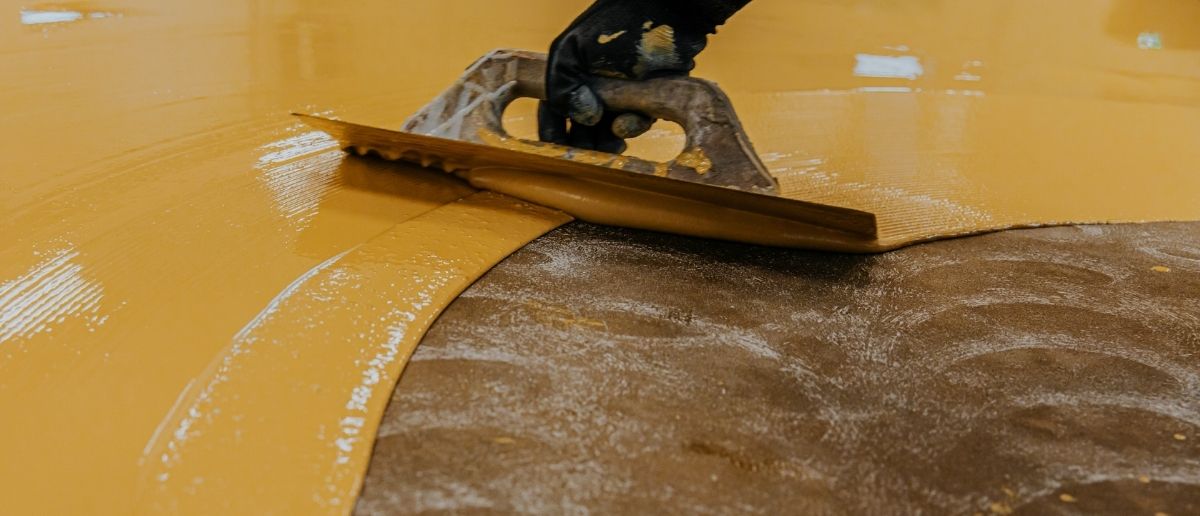
Floor coatings have become one of the most popular upgrades for Australian homes and commercial spaces. From transforming dull concrete garages into sleek, modern spaces to protecting warehouse floors from heavy machinery, a professionally installed floor coating can dramatically improve durability, appearance, and property value.
But how much does a floor coating cost in Australia?
The answer depends on several factors, including the type of coating, the size of the area, the condition of the concrete, and your location. Below is a detailed breakdown to help you understand what to expect.
Average Floor Coating Costs in Australia
In Australia, most floor coatings are priced per square metre (m²). The most common systems include epoxy, polyurethane, polyaspartic, and decorative finishes.
1. Basic Epoxy Floor Coating
$30–$40 per m²
A standard two-coat epoxy system is the most affordable professional option. This type of coating is commonly used in:
- Residential garages
- Storage rooms
- Light commercial areas
It provides a clean, glossy finish and protects against minor spills and wear. However, this price usually assumes the concrete is already in good condition and requires minimal preparation.
2. Mid-Range Decorative Epoxy (Flake or Anti-Slip)
$40–$90 per m²
Decorative epoxy systems are increasingly popular in Australian homes. These often include:
- Flake flooring systems
- Anti-slip additives
- Custom colours
- UV-resistant topcoats
Flake floors are especially common in garages because they hide imperfections and create a textured, modern appearance. They are more durable than basic epoxy and offer better resistance to wear and tear.
3. Premium & Designer Coatings
$80–$150+ per m²
Premium coatings include:
- Metallic epoxy
- High-gloss designer finishes
- Heavy-duty commercial-grade epoxy systems
These coatings are typically thicker, longer-lasting, and more visually striking. Metallic epoxy floors, for example, create a marble-like or three-dimensional effect that is often used in showrooms or high-end homes.
4. Polyurethane and Industrial Systems
$110–$180+ per m²
Polyurethane and other industrial-grade coatings are commonly used in:
- Commercial kitchens
- Warehouses
- Factories
- Food processing facilities
These systems provide superior resistance to chemicals, UV exposure, and temperature changes. While they cost more upfront, they often last longer and perform better in demanding environments.
Real-World Cost Example: A Double Garage
A standard double garage in Australia is approximately 36 square metres.
Here’s what you might expect to pay:
- Basic epoxy: $1,080–$1,440
- Decorative flake system: $1,440–$3,240
- Premium finish: $2,880–$5,400+
These prices can increase if significant preparation is required.
What Affects the Cost of Floor Coating?
The final price of your project depends on more than just the type of coating. Several factors influence overall cost.
1. Surface Preparation
Surface preparation is often the biggest cost variable. A coating is only as good as the surface beneath it.
Preparation may include:
- Concrete grinding
- Crack repairs
- Oil stain removal
- Levelling uneven floors
- Moisture testing
- Applying a moisture barrier
If your concrete is old, cracked, or contaminated with oil, preparation costs can increase significantly. In some cases, prep work can add $10–$30 per m² or more.
2. Condition and Age of the Concrete
New concrete typically needs at least 28 days to cure before coating. Older slabs may have moisture issues or structural cracks that require extra treatment.
Severely damaged concrete may need resurfacing before coating can be applied.
3. Size of the Area
Larger areas often reduce the cost per square metre. This is because setup, equipment, and labour costs are spread across a larger surface.
For example, coating a 200 m² warehouse floor will typically cost less per square metre than coating a small 20 m² storage room.
4. Location in Australia
Labour costs vary depending on location. Major metropolitan areas like Sydney, Melbourne, and Brisbane often have higher labour rates compared to regional areas.
Accessibility also plays a role. If equipment access is difficult, installers may charge more.
5. Type of Coating System
There are different types of epoxy systems:
- Water-based epoxy (cheaper, thinner)
- Solvent-based epoxy
- 100% solids epoxy (thicker, more durable)
- Polyaspartic coatings (fast curing)
- Polyurethane coatings (flexible and UV resistant)
Higher-performance systems cost more but generally last longer and resist damage better.
DIY vs Professional Installation
Many hardware stores sell DIY epoxy kits priced between $15–$25 per m². While this may seem appealing, there are important differences:
DIY Pros:
- Lower upfront cost
- Suitable for small, low-traffic areas
DIY Cons:
- Limited durability
- Thin coatings
- No industrial surface grinding
- Higher risk of peeling or bubbling
Professional installers use commercial-grade grinders, moisture meters, and thicker coatings that typically last much longer.
For garages, workshops, and commercial spaces, professional installation is usually recommended.
How Long Does a Floor Coating Last?
Lifespan depends on usage and coating type:
- Basic epoxy: 5–10 years
- Decorative flake systems: 10–15 years
- Polyurethane systems: 15–20+ years
Proper maintenance — including regular cleaning and avoiding harsh impacts — can extend lifespan significantly.
Is Floor Coating Worth the Cost?
For many Australian property owners, the investment is worthwhile.
Key Benefits:
- Improved durability
- Protection from oil, chemicals, and stains
- Easier cleaning
- Slip resistance (with additives)
- Modern, attractive finish
- Increased property appeal
In garages, coatings prevent dusting and make oil spills easier to clean. In commercial settings, they improve safety and compliance.
Additional Costs to Consider
You may also need to budget for:
- Removing existing coatings
- Repairing severe cracks
- Moisture barriers
- Skirting or edge detailing
- Decorative line marking
- GST (if not included in quote)
Always ask for a detailed written quote outlining inclusions and exclusions.
How to Get an Accurate Quote
To get the best pricing:
- Measure your area accurately.
- Check the condition of the concrete.
- Request at least 2–3 quotes from licensed installers.
- Ask about warranty coverage.
- Confirm surface preparation methods.
A reputable installer should inspect the site before providing a final quote.
Final Thoughts
In Australia, floor coating costs typically range from $30 to $180+ per square metre, depending on the coating type, preparation requirements, and project size.
For a standard residential garage, expect to invest between $1,000 and $3,000, while premium or commercial systems can exceed $5,000 or more.
While it may seem like a significant upfront investment, a professionally installed floor coating can protect your concrete for decades, improve the appearance of your space, and add long-term value to your property.
If you're considering a floor coating project, understanding the cost factors will help you budget accurately and choose the right system for your needs.
Costs of various services and materials in this cost guide should be taken as estimates. These depend on location, preference and demands in the market.

YOU MIGHT ALSO BE INTERESTED IN