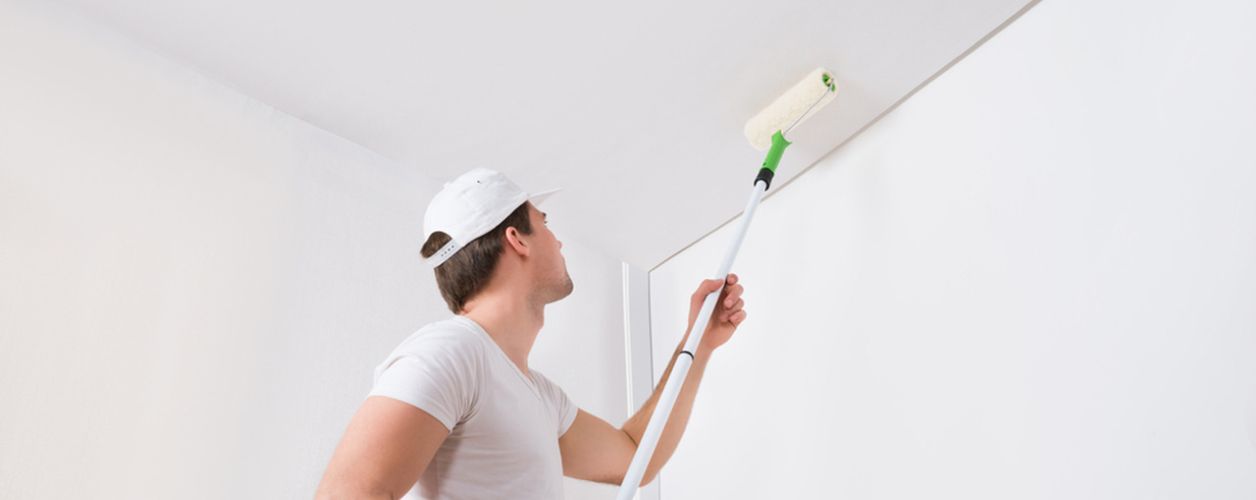
What Is a Mist Coat and What Ratio Should It Be?
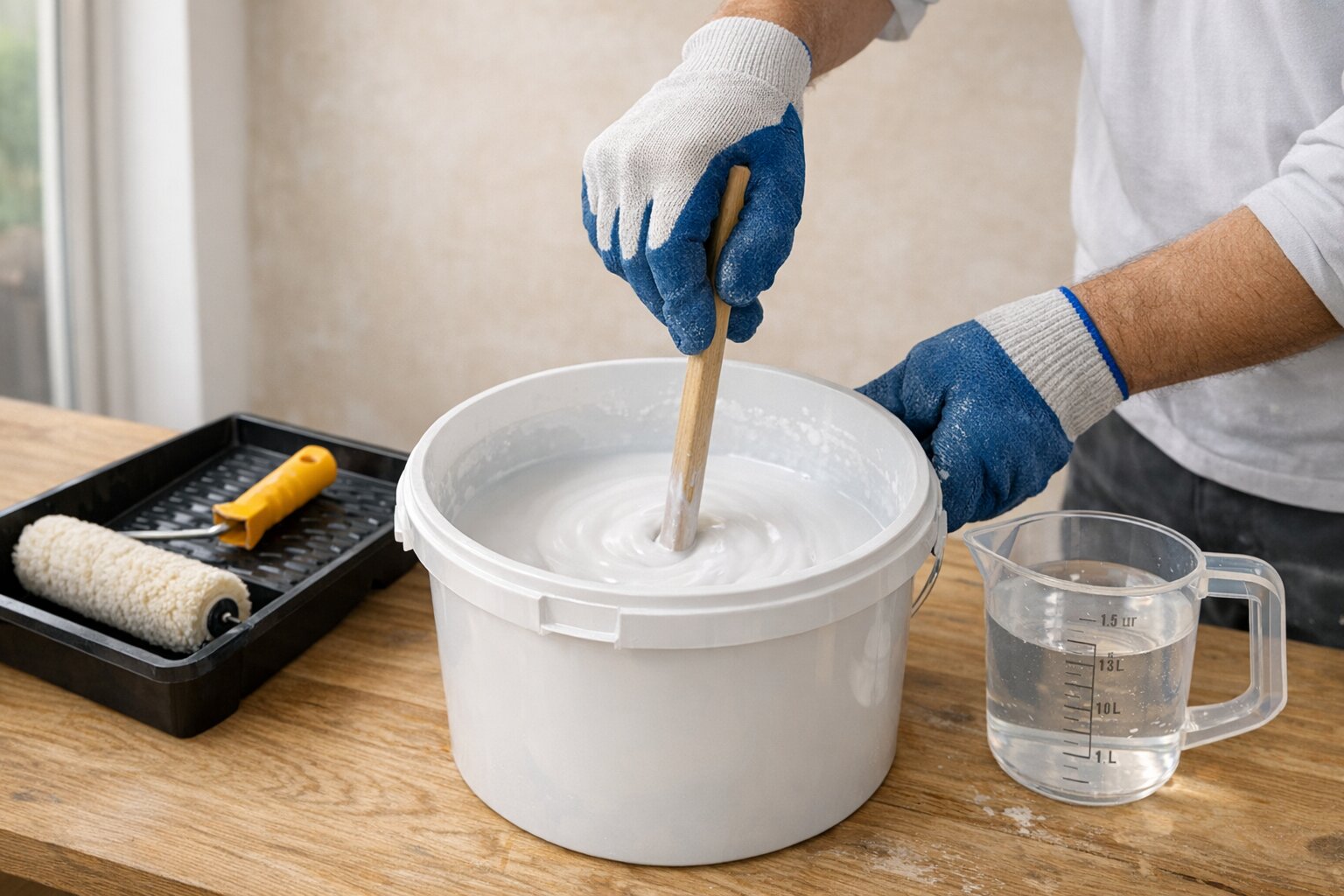
Table Of Content
- Introduction
- What Is a Mist Coat?
- Why Is a Mist Coat Important Before Painting?
- What Is the Best Mist Coat Ratio?
- How to Mix a Mist Coat Properly
- How to Apply a Mist Coat to Fresh Plaster
- How Should a Mist Coat Look After Drying?
- Common Mistakes to Avoid
- Mist Coat vs Primer – What’s the Difference?
- Final Thoughts
A mist coat is a diluted coat of water-based emulsion paint applied to fresh plaster before the final paint coats. Its purpose is to seal the porous surface so the topcoat adheres properly and doesn’t peel or flake. In most cases, the ideal mist coat ratio is 70% paint to 30% water, although some decorators use ratios between 80:20 and 50:50 depending on the plaster’s absorbency and paint thickness.
When you have just had a wall or ceiling newly plastered, it looks beautiful, smooth, and ready for colour. However, skipping straight to your final colour is a guaranteed recipe for a decorating disaster. If you want your fresh plaster painting project to look professional and last for years, you need to understand the vital first step: the mist coat.
What Is a Mist Coat?
When decorators, builders, and local painters refer to a mist coat, they are simply talking about the very first coat of paint applied to newly laid, fresh plaster. It is not a special type of chemical; it is just a heavily watered-down, water-based emulsion paint.
Think of a mist coat as a primer made from your emulsion paint and water.
Because newly laid plaster is incredibly dry, it acts much like a giant sponge. If you apply a standard, thick layer of paint directly to it, the plaster will immediately suck all the moisture out of the paint. This rapid, forced drying process prevents the paint binders from locking onto the wall.
By using a mist coat first, the thinned, watery mixture penetrates deep into the pores of the plaster. It effectively acts as a wall sealing coat. Once this initial coat dries, it creates a stable, sealed surface that your subsequent, undiluted topcoats can easily grip onto.
Why Is a Mist Coat Important Before Painting?
Understanding the mechanics behind this new plaster primer is crucial. If you try to cut corners and skip applying a mist coat before painting, you will inevitably encounter a whole host of frustrating and expensive DIY problems.
Painting directly onto bare plaster without a mist coat often causes flaking and poor adhesion.
When thick, unthinned paint hits bare plaster, the plaster rapidly draws out the water content. The paint dries far too quickly on the surface, meaning the vital binders within the paint never bond with the plaster beneath. Within weeks or sometimes even as you are rolling the second coat you will notice the paint beginning to crack, bubble, or peel away from the wall in large, rubbery sheets.
A mist coat prevents peeling by satisfying the plaster's thirst. The high water content in the mist coat carries the paint pigment and binders deep into the porous plaster. As the water slowly evaporates, the paint is left permanently anchored within the wall.
Furthermore, applying a mist coat ensures that your final topcoats will spread evenly. Unsealed plaster creates a dry, high-friction surface that makes rolling thick paint incredibly difficult and patchy. By sealing the wall first, your roller will glide smoothly, ultimately using less topcoat paint and leaving a flawless finish.
What Is the Best Mist Coat Ratio?
One of the most heavily debated topics in DIY is the exact paint to water ratio for plaster. The truth is, the ratio can vary slightly depending on the brand of paint you are using and how porous your specific plaster is. However, there is a clear industry standard.
Standard Mist Coat Ratio
If you want a reliable, foolproof starting point for your project, look no further than the standard mix.
The most commonly recommended ratio is 70:30 (7 parts paint to 3 parts water).
This ratio provides enough water to penetrate deep into the plaster while retaining enough paint binder to effectively seal the surface. For the vast majority of fresh plaster walls and ceilings, this ratio works flawlessly.
Other Common Ratios
While 70:30 is the most popular choice, decorators frequently adjust their mix based on the consistency of the paint straight out of the tin. For example, some premium trade paints are incredibly thick, requiring more water, while cheaper retail paints are already quite thin.
| Ratio | Best For |
|---|---|
| 80:20 | Slightly less porous plaster or thinner retail paints |
| 70:30 | Most standard fresh plaster walls and ceilings |
| 50:50 | Highly absorbent plaster / very thick trade paints |
When deciding on your ratio, always read the manufacturer's instructions on the back of your paint tin.
Some brands recommend 20–30% dilution, so always check the paint tin first.
Some modern emulsion formulas are labelled specifically as "bare plaster paint" and are formulated to be applied with less dilution. But if you are making your own mist coat using standard emulsion, adhering to the table above ensures you won't over-water or under-water your mixture.
How to Mix a Mist Coat Properly
Getting the mixture exactly right is just as important as choosing the ratio itself. Follow these steps to prepare your mist coat perfectly.
Step 1 – Choose the Right Paint
The golden rule of mist coating is to use a basic, non-vinyl, water-based matt emulsion. Often sold as "contract matt" in hardware stores, this paint does not contain the plastic polymers found in silk, satin, or gloss paints. Vinyl and oil-based paints sit on the surface rather than soaking in, which traps moisture and ruins the plaster. Always stick to basic matt emulsion.
Step 2 – Add Clean Water
Measure out your paint into a large, clean bucket, then add fresh tap water according to your chosen ratio.
For 1 litre of paint, add around 300ml water for a 70:30 ratio.
If you are mixing a larger batch for instance, using a 10-litre tub of paint you would pour out roughly 3 litres of paint into another bucket to make room, then add 3 litres of water to the remaining 7 litres to hit that perfect 70:30 split.
Step 3 – Stir Thoroughly
Because water and paint have different densities, they will not naturally mix. Use a dedicated paint stirrer or a wooden stick to mix the solution vigorously for several minutes. You want a smooth, completely uniform consistency.
Ideally, your mist coat consistency should look like semi-skimmed milk. It will be quite runny and prone to splashing, which is exactly how it needs to be to soak into the wall effectively.
How to Apply a Mist Coat to Fresh Plaster
Applying a watery paint mixture can be a messy job. Make sure your floors and furniture are entirely protected with heavy-duty dust sheets. Once the room is prepped, follow these steps to execute your fresh plaster painting smoothly.
Step 1 – Wait for Plaster to Dry
This is the most critical step of how to paint fresh plaster: you cannot paint wet plaster. Freshly skimmed walls start out a dark, damp brown. As they dry, they transition to a light pink or pale peach shade.
You must wait until the entire wall is an even, pale colour with absolutely no dark, damp patches remaining. Depending on the thickness of the plaster, room temperature, and ventilation, this usually takes a minimum of 5–7 days, but can take much longer in cold or humid weather.
Step 2 – Apply Evenly with Roller
Use a medium-pile synthetic roller for your walls and ceilings, and a good quality brush for cutting in around the edges. Because the mist coat is thin, do not overload your roller. Dip it lightly and roll out the excess on the tray.
Apply the mist coat using steady, overlapping "W" or "M" motions. Work methodically to catch any drips or runs immediately, rolling them out flat before they begin to dry on the wall.
Step 3 – Let It Dry for 24 Hours
Do not rush to get your finishing colours onto the wall. Mist coat drying time is incredibly important because you have just introduced a significant amount of water back into the plaster.
Wait at least 24 hours before applying your topcoat.
Even if the wall feels touch-dry within an hour or two, the internal moisture needs time to fully evaporate. Rushing this process can trap moisture beneath your final coats, leading to blistering and peeling.
How Should a Mist Coat Look After Drying?
After your 24-hour drying period, you might look at your newly painted wall and feel a wave of disappointment. Don't worry this is completely expected.
A patchy finish is completely normal for a mist coat.
Because your plaster will naturally have tiny variations in porosity, it will absorb the watered-down paint at different rates. This results in a finish that looks highly uneven, slightly translucent, and far from perfect. You will likely still see patches of pink plaster showing through.
Remember, the purpose of a mist coat is purely functional. Its job is sealing, not coverage. As long as the entire surface has been coated with the thinned mixture, it has done its job perfectly. Your subsequent topcoats will provide the solid, beautiful colour.
Common Mistakes to Avoid
When tackling fresh plaster, keep these common DIY pitfalls in mind to ensure your project goes perfectly:
- Using paint too thick: Skipping the dilution step stops the paint from soaking in, leading to massive peeling later.
- Not waiting for plaster to dry: Painting over damp plaster traps structural moisture, leading to blown plaster and mould.
- Using silk paint: Vinyl, silk, and gloss paints contain plastics that seal the wall too aggressively, preventing the plaster from breathing.
- Skipping mist coat: The ultimate decorating sin never put standard topcoat directly onto fresh plaster.
- Overwatering cheap paint: If you dilute an already-thin retail paint to 50:50, you break down the binders completely, leaving a useless layer of dusty chalk on the wall.
- Painting final coat too early: Always respect the 24-hour drying time before applying your undiluted finishing coats.
Mist Coat vs Primer – What’s the Difference?
When walking down the paint aisle, you will likely see both standard emulsion paint and dedicated tins of "wall primer." This often leads to confusion regarding which one is right for new plaster.
The primary difference lies in their composition. A mist coat is simply a diluted emulsion paint that you mix yourself. It is the most traditional, breathable, and cost-effective method for sealing bare plaster.
A primer, on the other hand, is a separately manufactured product designed to solve specific problems. Primers are heavily formulated with resins to block water stains, cover dark colours, or adhere to difficult, glossy surfaces.
In short: if you are dealing with brand-new, unpainted fresh plaster, a mist coat is exactly what you need. If you are painting over already painted walls, dealing with nicotine stains, or trying to paint over old oil-based gloss, you need a dedicated primer. While you can buy expensive, pre-mixed "new plaster primers," making your own mist coat from contract matt emulsion is equally effective.
Final Thoughts
A mist coat is one of the most important steps when painting fresh plaster. For most walls, a 70:30 paint-to-water ratio gives the best balance between sealing and adhesion.
By taking the time to mix your paint properly, letting the plaster dry thoroughly, and applying the mist coat with care, you are setting the ideal foundation. This simple, affordable step guarantees a flawless, professional-looking finish that will remain firmly on your walls for years to come.


Answers to Your Common Questions
The most common ratio is 70% paint and 30% water. This provides the perfect balance, allowing standard fresh plaster to absorb the watery mixture while leaving enough binder to seal the wall.
Yes, especially for very porous fresh plaster or thick paint. If you are using a premium, highly concentrated trade paint, diluting it with equal parts water (50:50) is often required to achieve the necessary runny consistency.
Usually 24 hours before top coats. Even if the surface feels dry to the touch much earlier, the heavy volume of water that soaked into the plaster needs plenty of time to fully evaporate.
Yes, this is completely normal. The mist coat is meant to seal the porous wall, not to provide visual coverage. A streaky, translucent finish is to be expected, and your topcoats will cover it up.
No, this often leads to peeling and flaking. Unsealed plaster will draw the moisture out of standard paint too rapidly, preventing it from bonding properly to the wall's surface.
Usually one coat is enough. As long as the entire surface has been covered and the plaster is no longer highly absorbent, you are ready to move on to your standard, undiluted topcoats.
YOU MIGHT ALSO BE INTERESTED IN