How to Get Rid of Fruit Flies
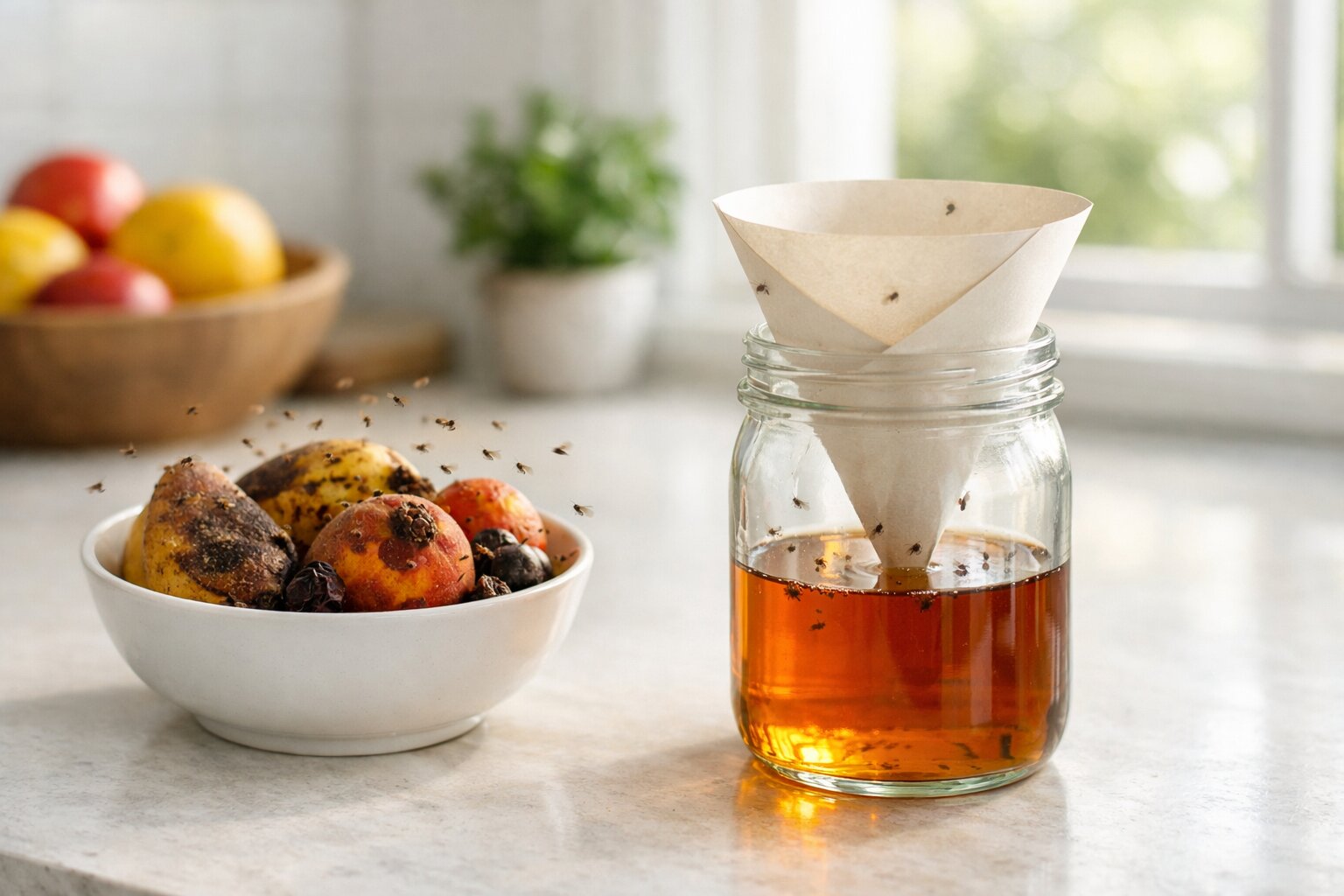
Table Of Content
- Introduction
- Why Do I Have Fruit Flies in My House?
- What Attracts Fruit Flies the Most?
- How to Get Rid of Fruit Flies (Step-by-Step)
- 5 Best Home Remedies to Get Rid of Fruit Flies
- How Long Does It Take to Get Rid of Fruit Flies?
- How to Prevent Fruit Flies from Coming Back
- Common Mistakes to Avoid
- When Fruit Flies Become a Bigger Problem
- Final Thoughts
To get rid of fruit flies quickly, remove their food sources, clean drains and bins, and use simple traps like apple cider vinegar with a few drops of dish soap. Fruit flies breed rapidly, so combining cleaning with traps is the fastest way to eliminate them. To stop them from returning, store food properly and keep surfaces dry and clean.
If you are dealing with a sudden swarm of tiny winged pests hovering around your fruit bowl or sink, you are not alone. Fruit flies in the kitchen are an incredibly common nuisance. Fortunately, learning how to get rid of fruit flies permanently is easier than you think. This guide will walk you through the fastest removal methods, the most effective home remedies, and the best prevention strategies to keep your kitchen pest-free.
Why Do I Have Fruit Flies in My House?
One day your kitchen is pristine; the next, you are dealing with a full-blown fruit fly infestation. Why does this happen? Fruit flies possess an incredibly strong sense of smell and are drawn to any environment that supports their rapid breeding cycle.
They are heavily attracted to ripe or rotting fruit, but their palate doesn't stop there. Sugary liquids, including fruit juice, spilled soda, and alcohol, act as magnets for these tiny pests. They also seek out warm, moist environments where organic matter is breaking down. Garbage bins, kitchen drains, indoor compost bins, and even damp mops and cleaning cloths provide the perfect breeding ground. A female fruit fly can lay up to 500 eggs at a time, and those eggs can hatch into larvae in as little as 24 hours. This rapid life cycle is the primary reason why a minor annoyance can turn into a massive swarm in just a few days.
Where Fruit Flies Usually Come From
If you keep a clean house, you might wonder how they got inside in the first place. Generally, fruit flies enter your home through three main avenues:
- Grocery produce: The most common culprit. Tiny eggs are often already attached to the bananas, tomatoes, or melons you bring home from the supermarket.
- Open windows and doors: Because they are so small, adult fruit flies can easily slip through the mesh of standard window screens, following the scent of ripening food.
- Drain breeding: Sometimes, they don't come from outside at all. They hatch directly from organic buildup lining your kitchen pipes.
What Attracts Fruit Flies the Most?
To successfully achieve long-term fruit fly removal, you must understand exactly what is drawing them into your space.
Fruit flies are mainly attracted to fermenting sugars and moisture.
When a piece of fruit begins to ripen and eventually rot, it produces alcohol and other fermenting compounds. This fermentation process is irresistible to fruit flies. Overripe bananas, apples, and citrus fruits are among the biggest offenders. Even a slight bruise on a peach is enough to signal a feast.
However, fruit isn't the only trigger. Uncovered food, whether it’s a half-eaten sandwich left on the counter or a bowl of pet food, will quickly draw a crowd. Spilled drinks are just as problematic. A few drops of wine left in a glass overnight, or a splash of sugary juice hidden under the refrigerator, can sustain a population for days.
Furthermore, fermentation smells from empty beer bottles, unrinsed recycling bins, or an indoor compost pail will guide them right into your kitchen. Finally, dirty drains packed with decomposing food particles offer both the food and the moisture necessary for fruit flies to thrive and lay their eggs. Removing these attractants is the foundation of effective kitchen pests control.
How to Get Rid of Fruit Flies (Step-by-Step)
If you want to know how to kill fruit flies and reclaim your kitchen, you need a systematic approach. Simply setting a trap won't work if they still have places to feed and breed. Follow this five-step plan for fast and permanent removal.
Step 1 – Remove All Food Sources
The very first thing you must do is cut off their food supply.
- Throw away overripe fruit: Inspect your fruit bowl and pantry. Discard any produce that is overly soft, bruised, or starting to ooze.
- Clean spills immediately: Wipe up any sticky spots on your counters, floors, and inside your refrigerator.
- Seal food containers: Never leave food sitting out. Transfer pantry items to airtight containers, put baked goods in sealed bags, and cover your fruit or move it to the fridge.
Step 2 – Clean Your Kitchen Thoroughly
Fruit flies can survive on a microscopic amount of organic matter. A deep clean is mandatory.
- Wipe countertops: Use a multi-purpose cleaner or a mixture of water and vinegar to scrub down your counters, ensuring no sticky residue remains.
- Clean the sink area: Pay special attention to the rim of your sink, around the faucet, and the drain stopper.
- Empty trash daily: Do not let garbage sit indoors overnight.
- Wash bins: Scrub the inside and outside of your trash cans and recycling bins with hot, soapy water to remove lingering odors and sticky leaks.
Step 3 – Clean Drains and Pipes
This is a high-value tip that is often missed during fruit fly removal. If you've removed the fruit but still have flies, they are likely breeding in your plumbing.
- Pour boiling water: Carefully pour a pot of boiling water down the drain to kill existing eggs and larvae.
- Baking soda + vinegar rinse: Pour half a cup of baking soda down the drain, followed by half a cup of white vinegar. Let it fizz for 15 minutes, then flush with hot water. This clears out the organic sludge they feed on.
- Use drain cleaner if needed: For stubborn grime, use an enzymatic drain cleaner designed to eat away organic buildup.
Step 4 – Set Fruit Fly Traps
Now that the alternative food sources are gone, traps will be highly effective. (We will cover the specific recipes in the next section).
- Vinegar traps: Ideal for drawing them in with the scent of fermentation.
- Jar traps: Perfect for utilizing scraps of overripe fruit.
- Sticky traps: Yellow sticky traps placed near plants or the fruit bowl can catch adult flies in mid-air.
Step 5 – Repeat for 2–3 Days
Fruit flies reproduce quickly, so consistent cleaning and trapping is necessary.
You might kill all the adult flies on day one, only for a new batch of eggs to hatch on day two. By keeping the kitchen spotless and refreshing your traps for a few consecutive days, you will completely break their life cycle.
5 Best Home Remedies to Get Rid of Fruit Flies
You do not need harsh chemical sprays to get rid of fruit flies in your kitchen. Some of the most effective solutions use basic pantry staples. Here are the five best home remedies for fruit flies.
1. Apple Cider Vinegar Trap (Most Effective)
This is universally considered the best vinegar fruit fly trap. The sweet, fermented smell of apple cider vinegar (ACV) perfectly mimics rotting fruit.
- How to make it: Pour about half an inch of apple cider vinegar into a small bowl or ramekin. Add two to three drops of liquid dish soap and stir gently.
- Why it works: The vinegar attracts the flies, but the dish soap is the secret weapon. Soap breaks the surface tension of the liquid. When the flies land to take a sip, they immediately sink and drown.
2. Dish Soap + Water Spray
If you want a proactive way to kill fruit flies hovering around your kitchen, a simple spray bottle is a highly effective quick fix.
- How to make it: Mix two cups of warm water with a tablespoon of dish soap in a spray bottle. Shake gently.
- Why it works: When you spot a swarm, spray them directly. The soapy water coats their wings, instantly grounding them and killing them on contact. It's safe to use around kitchen surfaces and easy to wipe up.
3. Fruit Trap with Plastic Wrap
If you don't have apple cider vinegar on hand, you can use the very thing that brought the flies inside: old fruit.
- How to make it: Place a piece of overripe fruit (a slice of brown banana or a strawberry top works perfectly) at the bottom of a mason jar. Cover the top of the jar tightly with plastic wrap and secure it with a rubber band. Use a toothpick to poke a few small holes in the plastic.
- Why it works: The smell of the rotting fruit lures the flies through the tiny holes. Once inside, they are unable to navigate their way back out.
4. Red Wine Trap
If you have a bottle of wine that has been open for a few days, it can double as an excellent pest control mechanism.
- How to make it: Simply leave a small amount of leftover red wine at the bottom of the bottle, or pour a splash into a shallow bowl with a drop of dish soap.
- Why it works: Much like apple cider vinegar, the fermenting grapes and alcohol content in red wine give off a heavy, sweet odor that fruit flies cannot resist.
5. Milk, Sugar, and Pepper Trap
This is a traditional remedy that has been used for generations and works remarkably well for smaller infestations.
- How to make it: Combine a half-cup of milk, two teaspoons of sugar, and a generous sprinkle of black pepper in a small saucepan. Simmer the mixture on the stove for 10 minutes, then pour it into a shallow dish and leave it on the counter.
- Why it works: The warm milk and sugar create a sweet, inviting scent, while the thickness of the liquid traps the flies once they land.
How Long Does It Take to Get Rid of Fruit Flies?
A common question frustrated homeowners ask is exactly how long they have to live with these pests. The timeline depends largely on the severity of the problem and your consistency in treating it.
- Small infestation: If you catch the problem early, you can eliminate a minor swarm in 2–3 days using a combination of ACV traps and a deep kitchen clean.
- Larger infestation: If the flies have been breeding for a while, or have established a home in your plumbing, it will typically take 5–7 days to eradicate them completely.
You must break their breeding cycle to fully eliminate them.
Because eggs take 24 to 30 hours to hatch, you will likely see a second wave of flies a day or two after you kill the first adults. Do not be discouraged. Leave your traps out and keep your drains clean until you have gone 48 hours without seeing a single fly.
How to Prevent Fruit Flies from Coming Back
Eliminating an infestation is only half the battle. To ensure you don't have to repeat the process next month, you need to implement long-term prevention habits. Here is how to prevent fruit flies from making a return appearance:
- Store fruits in the fridge: Whenever possible, keep your produce in the refrigerator rather than on the counter. The cold temperature stops ripening and prevents eggs from hatching.
- Clean bins regularly: Don't just empty your garbage; scrub the actual bins. Sticky leaks at the bottom of a trash can are a major attractant.
- Take the trash out daily: Get into the habit of removing kitchen food waste every night, especially in the warm summer months.
- Keep drains clean: Once a week, flush your kitchen sink drains with boiling water or a baking soda and vinegar mix to prevent the organic sludge buildup that flies love.
- Avoid standing water: Empty the drip trays under your dish rack and indoor plants.
- Wipe surfaces dry: Fruit flies need moisture to survive. Use a dry towel to wipe down sinks and countertops before you go to bed.
- Use airtight containers: Store your baked goods, cereals, and dry goods in tightly sealed plastic or glass containers.
Common Mistakes to Avoid
Many people struggle with recurring fruit fly infestations because they make a few critical errors during the removal process. Avoid these common pitfalls:
- Only using traps without cleaning: Traps will kill adult flies, but if you don't clean up the rotting fruit or sticky spills, the flies will just keep breeding.
- Leaving fruit exposed: Believing that "slightly ripe" fruit is safe on the counter is a mistake; fruit flies can smell fermentation long before humans can.
- Ignoring drains: This is the number one reason fruit flies stick around. If you've cleaned your counters and the flies remain, they are in your plumbing.
- Not emptying the trash: A bag full of food scraps left indoors is an all-you-can-eat buffet for pests.
- Inconsistent cleaning: Wiping counters once isn't enough; you must maintain a spotless kitchen for at least a week to break the breeding cycle.
When Fruit Flies Become a Bigger Problem
Sometimes, what seems like a simple fruit fly issue can turn into a larger headache. If you have been strictly following all removal and prevention steps for a week and are still dealing with a massive swarm, you may be dealing with a large infestation that requires professional pest control intervention.
Additionally, pay close attention to the physical appearance of the flies. If you are experiencing recurring issues heavily centralized around your sink, you might actually be dealing with drain flies. While fruit flies are light brown with red eyes, drain flies are darker, fuzzier, and resemble tiny moths. Drain flies require specialized enzymatic pipe cleaners to destroy their nesting sites deep within your plumbing.
Final Thoughts
Getting rid of fruit flies requires a combination of removing food sources, deep cleaning, and using effective traps. Once eliminated, simple hygiene habits can prevent them from returning.
By acting fast, utilizing natural home remedies like the apple cider vinegar trap, and keeping your kitchen surfaces dry and spotless, you can successfully banish fruit flies from your home for good.


Answers to Your Common Questions
They are usually brought into your home as microscopic eggs attached to grocery store fruit. They can also fly in through window screens, attracted by the scent of food waste, overripe produce, and moisture.
No, fruit flies do not go away on their own. As long as they have access to moisture and fermenting food, they will multiply quickly unless actively controlled and eliminated.
They are mostly harmless to humans and do not bite. However, because they frequent garbage bins and dirty drains, they can carry bacteria and contaminate fresh food if left unchecked.
You can significantly reduce an infestation overnight by setting out multiple apple cider vinegar and dish soap traps, pouring boiling water down your drains, and taking out the kitchen trash before bed. Full removal, however, usually takes a few days to break the egg cycle.
Yes, kitchen and bathroom drains are common breeding grounds. The organic slime and trapped food particles inside pipes provide the perfect moist, nutrient-rich environment for laying eggs.
Fruit flies strongly dislike sharp, aromatic scents. While they love fermenting smells, they are repelled by the odors of strong white vinegar, fresh basil, eucalyptus, peppermint, and camphor.
YOU MIGHT ALSO BE INTERESTED IN

Capital Cities
- Pest Control Services Services in Melbourne
- Pest Control Services Services in Brisbane
- Pest Control Services Services in Sydney
- Pest Control Services Services in Adelaide
- Pest Control Services Services in Perth
- Pest Control Services Services in Canberra
- Pest Control Services Services in Hobart
- Pest Control Services Services in Darwin