How to Check for Bed Bugs at Home
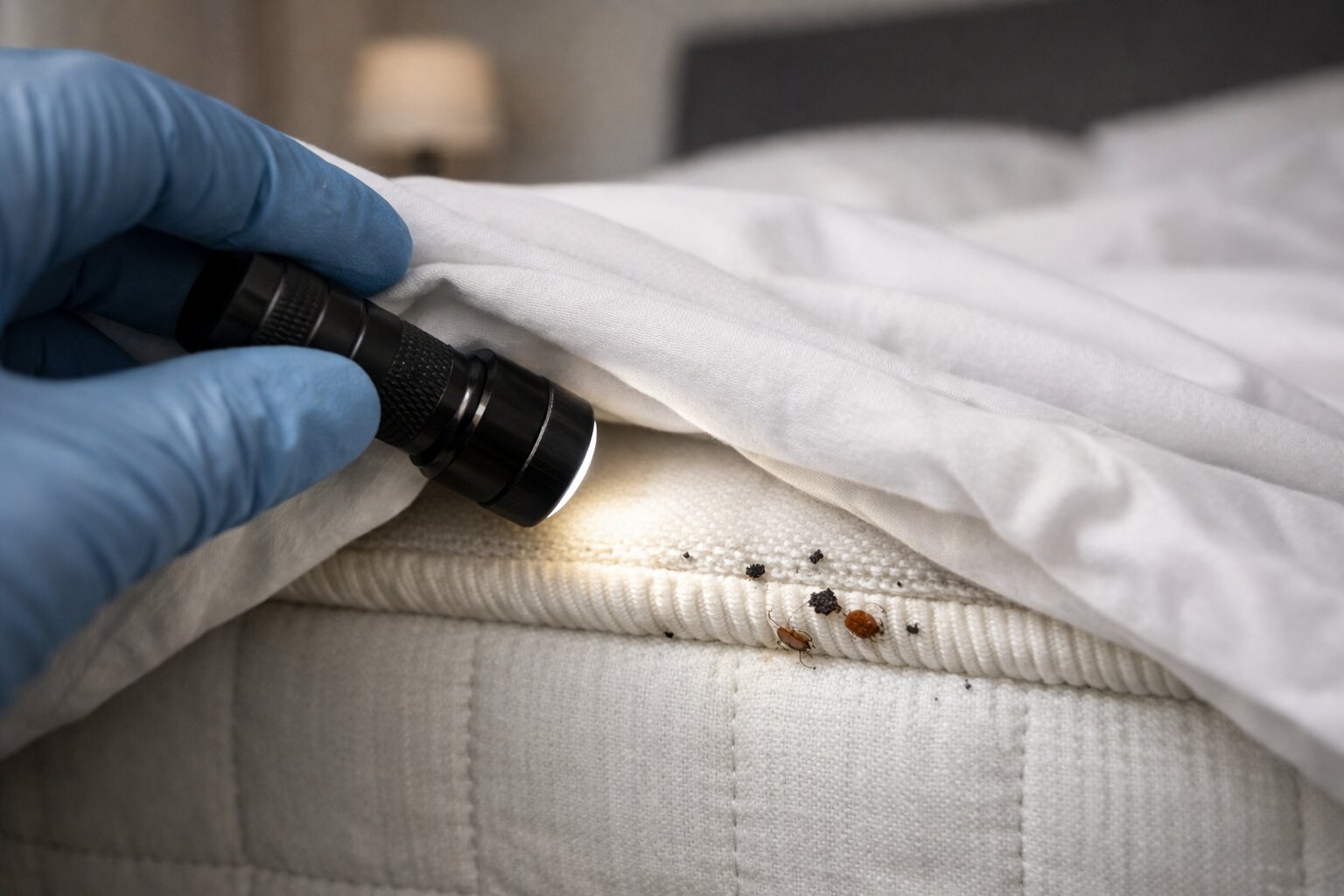
Table Of Content
- Intro
- What Are Bed Bugs?
- Signs You May Have Bed Bugs
- Where to Check for Bed Bugs
- How to Check for Bed Bugs (Step-by-Step)
- What Do Bed Bugs Look Like?
- What to Do if You Find Bed Bugs
- How Long Does It Take to Get Rid of Bed Bugs?
- How to Prevent Bed Bugs in the Future
- Common Mistakes to Avoid
- When to Call Pest Control
- Final Thoughts
To check for bed bugs, inspect mattress seams, bed frames, furniture joints, and nearby cracks for small reddish-brown insects, tiny white eggs, or black spots (droppings). Look for bite patterns on skin and musty odors. If you find signs of bed bugs, wash bedding in hot water, vacuum thoroughly, and consider using professional pest control for complete removal. Early detection is vital to prevent a minor issue from becoming a full-blown infestation. This 2026 guide provides a comprehensive step-by-step process for identifying, locating, and eliminating bed bugs from your home effectively and safely.
What Are Bed Bugs?
Bed bugs (Cimex lectularius) are small, wingless, parasitic insects that feed exclusively on the blood of warm-blooded animals, with humans being their preferred host. These pests have been a nuisance for centuries, but they have seen a global resurgence due to increased international travel and pesticide resistance.
Bed bugs are reddish-brown in color and possess flat, oval-shaped bodies roughly the size of an apple seed. This flattened shape allows them to squeeze into incredibly tight spaces some as thin as a credit card making them master hiders. They are primarily nocturnal, emerging from their hiding spots while you sleep to feed. Unlike many other pests, bed bugs do not fly or jump; instead, they crawl rapidly across floors, walls, and ceilings. While they are not known to transmit diseases, their presence can cause significant psychological distress, sleep deprivation, and itchy, uncomfortable skin reactions.
Signs You May Have Bed Bugs
Identifying a bed bug problem early is the best way to ensure successful eradication. Because they are elusive, you often see the signs they leave behind before you see the bugs themselves.
- Bite Marks: Bed bug bites typically appear as small, red, itchy welts. They often occur in clusters or straight lines, a pattern frequently referred to as "breakfast, lunch, and dinner." Bites usually appear on areas exposed during sleep, such as the arms, neck, and shoulders.
- Small Blood Stains: If a bed bug is accidentally crushed during the night or if a bite continues to bleed slightly, you may find small, rusty red smears on your pillowcases or sheets.
- Dark Spots (Fecal Matter): Bed bug droppings are tiny black or dark brown spots, similar in appearance to a mark made by a felt-tip pen. These are often found on mattress seams or bed frames.
- Shed Skins: As bed bugs grow, they go through five nymph stages, shedding their translucent yellow skins (exuviae) each time. Finding these hollow husks is a definitive sign of an active infestation.
- Musty Odour: In significant infestations, bed bugs produce a distinct, sickly-sweet pheromone that smells like coriander, wet towels, or rotting raspberries.
Where to Check for Bed Bugs
Bed bugs prefer to stay within close proximity to their "meal" (you), but they will hide anywhere dark and protected.
Mattress and Bedding
This is the primary "hot zone." Inspect the piping and seams of the mattress thoroughly. Flip the mattress and check the underside. Look closely at the tags and any plastic corner guards on box springs, as these are favorite hiding spots.
Bed Frame and Headboard
Because bed frames have many joints and screw holes, they are ideal real estate for bed bugs. Remove the headboard from the wall if possible. Inspect every crack where two pieces of wood or metal meet. Bed bugs love the dark, undisturbed gaps behind headboards.
Furniture Nearby
Don’t stop at the bed. Check nightstands and dressers, particularly the drawer tracks and the undersides of the furniture. Upholstered chairs and sofas are also common secondary hiding spots, especially in the seams of cushions.
Walls and Hidden Areas
If an infestation is growing, bed bugs will expand their territory. Check behind peeling wallpaper and wall hangings. They are also known to hide inside electrical outlets, behind baseboards, and in the folds of curtains where they meet the floor or ceiling.
How to Check for Bed Bugs (Step-by-Step)
Performing a thorough bed bug inspection requires patience and a systematic approach. Follow these six steps to ensure you don’t miss any hiding spots. If you're unsure about conducting a thorough inspection yourself, understanding pest inspection costs in Australia can help you decide when to hire a professional.
Step 1 – Strip the Bed
Begin by carefully removing all bedding. Do not simply toss the sheets on the floor, as this can spread the bugs. Instead, fold the sheets inward on themselves and place them directly into a plastic bag or a laundry basket. Look for blood spots or fecal marks on the mattress protector as you go.
Step 2 – Inspect the Mattress
Focus your attention on the mattress seams, tufts, and buttons. Use a rigid object, like a credit card or a putty knife, to run along the folds of the seams. This "raking" action can force bugs or eggs out of hiding. Pay extra attention to the head of the bed, where most activity occurs.
Step 3 – Examine the Bed Frame
Strip the bed down to the frame. If you have a box spring, check the "dust cover" (the thin fabric on the bottom). You may need to remove this fabric to inspect the internal wooden slats. Check every screw hole and joint. If you have a metal frame, look inside the hollow tubing.
Step 4 – Check Nearby Furniture
Move outward from the bed. Open every drawer in your bedside table and inspect the corners. Turn over nearby chairs and examine the seams of the cushions. Bed bugs can even hide in the spines of books left on a nightstand.
Step 5 – Look for Eggs and Droppings
While looking for live bugs, keep an eye out for eggs. Bed bug eggs are tiny (about 1mm), pearly white, and shaped like a grain of rice. They are often glued to surfaces in small clusters. Use a magnifying glass if you have one, as they are very difficult to see with the naked eye.
Step 6 – Use a Torch or Flashlight
Even in a well-lit room, bed bugs hide in shadows. A high-powered LED torch is your best tool. The light will help you spot the translucent shed skins and the slight "shine" of the eggs. Shine the light parallel to the surface to create shadows, which makes the small bumps of bugs and eggs easier to identify.
What Do Bed Bugs Look Like?
To the untrained eye, many insects can be mistaken for bed bugs (such as carpet beetles or spider beetles). Knowing exactly what you are looking for is essential.
Adult bed bugs are roughly 5–7mm long. They are broadly oval and flat, but after a blood meal, their bodies elongate and become more cylindrical and bright red. They have six legs and two antennae but lack wings.
Juvenile bed bugs (nymphs) are smaller and can be nearly colorless or pale yellow. If they have recently fed, you will see a bright red spot in the center of their translucent bodies. Bed bug eggs are about the size of a pinhead and are a milky-white color. If you see a bug that hops, flies, or has a distinct "waist" (like an ant), it is likely not a bed bug.
What to Do if You Find Bed Bugs
If your inspection confirms an infestation, do not panic. While difficult to eliminate, a systematic approach will solve the problem.
Step 1 – Wash Bedding Immediately
Take all bedding, curtains, and clothing that may be infested and wash them in hot water (at least 60°C). After washing, put them in the dryer on the highest heat setting for at least 30 minutes. The heat, not the water, is what kills the bugs and their eggs.
Step 2 – Vacuum Thoroughly
Vacuum your mattress, bed frame, and the surrounding floor daily. Use a crevice tool to get into deep cracks. Crucial: Immediately after vacuuming, empty the vacuum canister or bag into a plastic bag, seal it tightly, and take it to an outdoor bin to prevent the bugs from escaping back into the house.
Step 3 – Use Bed Bug Treatments
Invest in high-quality bed bug mattress encasements. These are specialized covers that trap any remaining bugs inside (where they will eventually die) and prevent new ones from entering the mattress. You may also use EPA-approved residual sprays or desiccants like diatomaceous earth in cracks and crevices.
Step 4 – Declutter the Area
Bed bugs thrive in clutter because it provides endless hiding spots. Remove stacks of paper, old magazines, and clothing from the floor. The more "open" your room is, the fewer places they have to hide, making your treatments more effective.
Step 5 – Consider Professional Pest Control
Bed bugs are notoriously difficult for DIYers to eliminate completely because they can survive for months without eating and are resistant to many store-bought sprays. A professional pest control service has access to heat treatments and industrial-strength insecticides that offer a much higher success rate. To plan your next steps, it’s helpful to understand how much bed bug treatment costs in Australia.
How Long Does It Take to Get Rid of Bed Bugs?
The timeline for eradication depends on the severity of the infestation. A small, localized problem caught early can often be resolved in 2 to 4 weeks with diligent cleaning and treatment.
However, larger infestations that have spread to multiple rooms or inside walls can take 2 to 3 months and several rounds of professional treatment to fully clear. Persistence is key; you must continue monitoring and cleaning even after you stop seeing live bugs, as eggs can hatch weeks after the initial treatment.
How to Prevent Bed Bugs in the Future
Prevention is far easier than cure. Follow these tips to keep your home bed-bug-free:
- Travel Vigilance: When staying in hotels, never put your luggage on the bed. Use the luggage rack (after inspecting it). Before coming home, inspect your suitcase for any hitchhikers.
- Be Wary of Used Furniture: Never bring a second-hand mattress into your home. For other furniture like wooden dressers or chairs, inspect them thoroughly with a flashlight before they enter your house.
- Encasements: Keep your mattress and box spring in bed-bug-proof encasements year-round.
- Reduce Clutter: Maintain a tidy home to limit hiding spots.
- Regular Cleaning: Vacuum frequently and wash your bedding on high heat at least once every two weeks.
Common Mistakes to Avoid
- Ignoring Early Signs: Thinking a few bites are just "mosquitoes" allows the population to grow exponentially.
- Using Only Sprays: Bug bombs or "foggers" often cause bed bugs to scatter deeper into the walls rather than killing them.
- Not Washing Bedding Properly: Using cold water or a low-heat dryer will not kill the eggs.
- Incomplete Cleaning: Only treating the bed and ignoring the rest of the room.
- Moving Items: Taking infested items into a "clean" room will only spread the problem.
When to Call Pest Control
You should contact a professional immediately if:
- The infestation has spread to multiple rooms.
- You have tried DIY methods for over a month with no success.
- You live in an apartment building (where bugs can travel between units).
- You have a severe physical or psychological reaction to the infestation.
Final Thoughts
Early detection is key to controlling bed bugs. While the discovery of these pests can be overwhelming, remember that they are manageable. By performing a methodical inspection, using heat-based cleaning methods, and knowing when to call in the experts, you can reclaim your home and your peace of mind. Regular inspection, proper cleaning, and timely treatment can help prevent a small problem from becoming a major infestation.


Answers to Your Common Questions
The fastest way is to pull back your sheets and check the four corners of your mattress seams for black spots (fecal matter) or shed skins. Use a flashlight to see into the crevices of the bed frame.
Usually, the first signs are itchy red bites on your skin or tiny black "pepper-like" spots on your sheets and mattress.
Yes. Adult bed bugs are remarkably hardy and can survive for several months without a blood meal in cool conditions, though they typically feed every 5–10 days.
No. While they prefer beds, they can live in sofas, office chairs, electrical outlets, picture frames, and even behind baseboards.
Direct heat above 50°C (122°F) or steam kills bed bugs and eggs on contact. Isopropyl alcohol (90%+) can also kill them, but it is a fire hazard and not recommended for large areas.
They do not transmit diseases, but their bites can lead to secondary skin infections from scratching. For many, the primary danger is the stress and anxiety caused by the infestation.
They are "hitchhikers." They usually enter via luggage after a hotel stay, on used furniture, or even through shared walls in apartment complexes.
YOU MIGHT ALSO BE INTERESTED IN
Capital Cities
- Pest Control Services Services in Melbourne
- Pest Control Services Services in Brisbane
- Pest Control Services Services in Sydney
- Pest Control Services Services in Adelaide
- Pest Control Services Services in Perth
- Pest Control Services Services in Canberra
- Pest Control Services Services in Hobart
- Pest Control Services Services in Darwin