How To Build A Deck
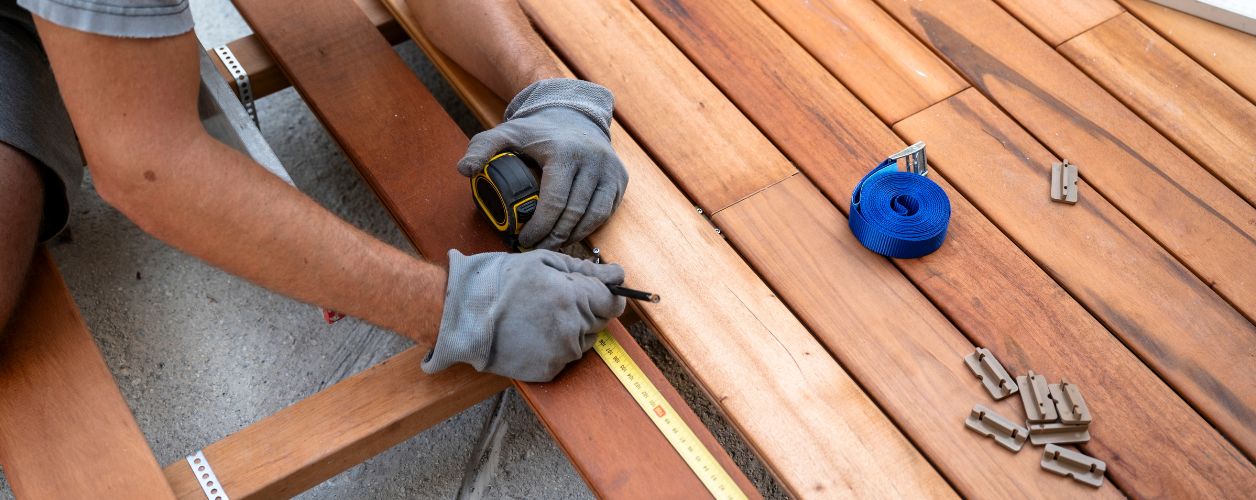
Table Of Content
- Introduction
- Understanding Deck Building in Australia
- Planning Your Deck
- Deck Building Regulations in Australia
- How To Prepare Your Site
- Tools and Materials Needed
- How To Build a Deck Step by Step
- Deck Safety Tips
- Deck Maintenance and Care
- Should You DIY or Hire a Deck Builder
- How To Hire a Deck Builder in Australia
- Deck Building Costs in Australia
- Final Thoughts
How To Build A Deck - A Guide To Build It Safely
Building a deck is one of the most rewarding upgrades you can make to your home. It creates more space for outdoor living, turns an empty corner into a place to relax, and adds serious value to your property. In Australia, decks have become almost a lifestyle essential because of the warm weather and our love for outdoor gatherings.
This guide walks you through everything you should know before you start building. From choosing materials and planning your design to understanding permits, safety rules, and how to hire a deck builder. Whether you want to DIY or you are considering bringing in a professional, this guide helps you move forward with confidence.
Understanding Deck Building in Australia
A deck is a raised or flat outdoor platform attached to your home or built separately in the backyard. Australians use decks for dining, entertainment, poolside lounging, and creating extra living space.
Most decks in Australia are built using either timber or composite materials. The country’s climate plays a big role in choosing the right material. In humid areas like Queensland, durable hardwoods and composite boards are popular. In cooler states like Victoria and Tasmania, treated pine and composite options also work well.
Timber decking is the traditional choice. It offers a natural look and can be more affordable. Hardwoods like Merbau, Spotted Gum, and Blackbutt are popular because they are durable and resist pests. Treated pine is more budget-friendly but needs regular maintenance.
Composite decking is made from recycled wood fibres and plastics. It looks like timber but requires less maintenance. It does not need oiling, staining, or sanding and is resistant to rot and fading. It costs more upfront but saves money over time.
Planning Your Deck
Planning is the foundation of a safe and long-lasting deck.
- The first step is to decide why you want a deck. You might want a space for weekend barbecues, a quiet reading corner, a poolside platform, or an extension of your living room.
- Once you know the purpose, decide the size and layout. A deck should flow naturally with your home. Consider how sunlight hits your yard throughout the day. If your deck receives too much direct sun, you may want shade sails or a pergola.
- Privacy is another factor. You can use screens or plants to create a more secluded area.
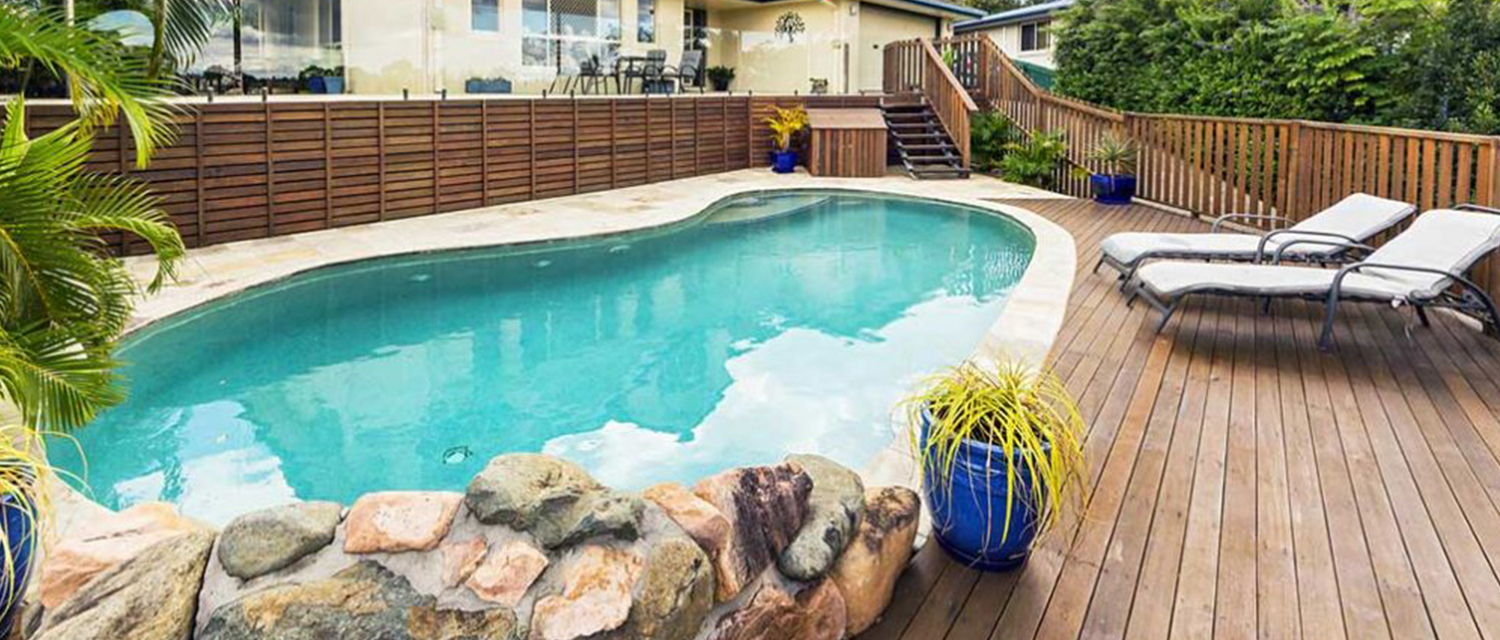
- There are many styles of decks. Low-level decks work well for flat ground and create easy access. Raised decks are great for sloping sites and can add elevation and views. Multi-level decks add a modern touch and create separate activity zones. Pool decks create a safe and stylish platform around swimming areas. Alfresco decking blends indoor and outdoor living.
- Choosing the right decking material is also part of planning. Timber is warm and natural, but needs care. Composite decking is low-maintenance and ideal if you prefer a long-lasting option.
- Also, think about cost, durability, slip resistance, and fire ratings. Many Australian homes are in bushfire zones, so choosing materials that meet BAL standards is important.
Deck Building Regulations in Australia
Before you start building, you need to know the rules. Deck regulations are different in every state and council. In most cases, you need either a building permit, a planning permit, or both. A building permit ensures your deck is structurally sound. A planning permit checks if your design fits the local area guidelines.
Smaller decks sometimes do not require full permits, but it is important to check with your local council before building anything. Do not guess. Deck collapses can happen when structures are not built to code, so following the rules is essential for safety.
Australia uses several standards for deck construction. AS 1684 covers residential timber framing. AS 1720 includes structural design requirements for timber. Handrails and balustrades must follow specific height and spacing rules. All of these ensure your deck can carry weight safely.
Permit rules vary slightly between states.
- New South Wales requires approval for most raised or large decks.
- Victoria requires a building permit if your deck is higher than a certain level.
- Queensland has relaxed rules for smaller decks but strict standards for structural work.
- Western Australia and South Australia often require council approval, depending on height and size.
- Tasmania, the ACT, and the Northern Territory have similar local council processes.
It is always best to check your council website or speak with a certified deck builder before starting.
How To Prepare Your Site
Once your design and approvals are ready, the next step is site preparation. Good preparation helps your deck last longer.
Start with a site assessment. Check the soil condition because softer soil needs deeper foundation posts. Look at the slope of your yard. If water flows toward the house, you may need to create proper drainage to prevent long-term damage. Clear the area of plants, roots, rocks, and debris.
Next, measure and mark the layout. Use spray paint, string lines, and stakes to outline the area. Measure twice to avoid mistakes. Mark the locations for posts, joists, and bearers. A clear layout makes construction smoother and safer.
Tools and Materials Needed
Having the right tools and materials makes deck building much easier.
Basic tools include a tape measure, hammer, level, set square, and pencil. You will also need safety gear such as gloves, safety glasses, and ear protection.
Power tools make the job faster. A circular saw, drill, impact driver, and jigsaw are commonly used for cutting and fixing boards.
Materials include decking boards, joists, bearers, and posts. Concrete is required for securing posts into the ground. You will also need screws or nails, brackets, stirrups, and other metal fixings. Choosing high-quality fixings helps prevent rust and keeps your deck strong.
How To Build a Deck Step by Step
1. Create the Deck Layout
Begin by marking the full layout on the ground. Use a level to ensure your deck will sit correctly. Accurate measurements help avoid gaps or uneven boards later.
2. Install Deck Posts
Dig holes for the posts. Most posts are secured in concrete. Make sure the posts are straight and aligned. Allow the concrete to cure fully before adding weight.
3. Install Bearers and Joists
Bearers run across the posts and carry the weight of the deck. Joists attach to the bearers and support the decking boards. Joist spacing is important because it prevents the deck from sagging. Use a level to keep the frame even and secure it with appropriate nails or screws.
4. Install Decking Boards
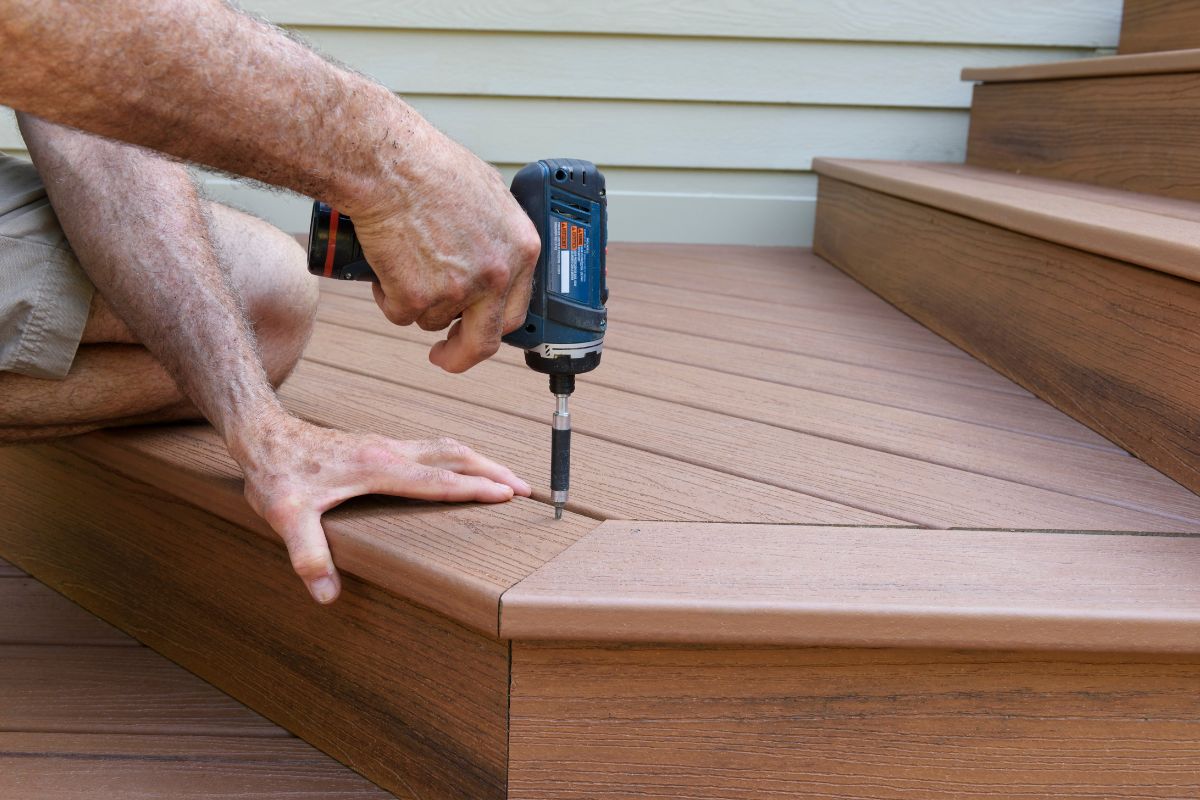
Lay the boards in a consistent direction. Leave small gaps between boards for ventilation and drainage. Pre-drilling helps prevent the boards from splitting. Use screws that are designed for decking to avoid rust. Composite decking may require special hidden fasteners.
5. Build Stairs or Steps
If your deck is raised, you may need stairs. Australian rules require stairs to have consistent height and depth. Check your council guidelines for exact requirements.
6. Install Handrails and Balustrades
If your deck is above a certain height, handrails and balustrades are required for safety. These can be made from timber, aluminium, stainless steel, or glass. Glass balustrades are popular for modern deck designs because they offer a clean look and do not block views.
7. Add Finishing Touches
Sand any rough edges. Seal timber decks with outdoor oil or stain. Composite decks do not need sealing but can be cleaned easily. Add lighting, furniture, or plants to complete the space.
Deck Safety Tips
Safety should be your top priority.
- Always wear protective gear when cutting or drilling. Keep your work area clean to avoid tripping. Use power tools carefully and follow instructions.
- If you are building a raised deck, take extra care when working at height. Ensure temporary supports are secure. Do not overload the deck during construction.
- Australia has bushfire zones. If you live in one of these areas, choose materials that meet the required Bushfire Attack Level standards. Many composite boards and hardwoods are rated for use in higher-risk zones.
Deck Maintenance and Care
A well-maintained deck lasts longer and stays safe.
- Clean your deck regularly to remove dirt, leaves, and debris.
- Timber decks need oiling or staining once or twice a year, depending on exposure to sunlight and rain.
- Look for signs of damage such as cracks, soft spots, or loose boards. Early repair prevents bigger problems later.
- Check for mould or mildew in shaded areas.
- Insects such as termites can affect some timber decks, so keep the area dry and consider termite protection if needed.
- Composite decking requires less maintenance. It only needs a simple wash a few times a year.
Should You DIY or Hire a Deck Builder
DIY deck building can be fun if you have some carpentry skills. It is suitable for small and simple decks. It saves money and gives you full control over the design.
However, large or elevated decks can be complex. They may require advanced knowledge of framing, load limits, drainage, and permit requirements. In these cases, hiring a professional deck builder is a safer choice.
A certified deck builder understands local regulations, uses the right materials, and ensures structural safety. They also provide insurance and warranties. This gives you peace of mind and protects the value of your home.
How To Hire a Deck Builder in Australia
Start by checking if the builder is licensed and insured. Each state has its own licensing rules. A licensed builder ensures the work follows Australian Standards.
Ask for quotes from at least two or three builders. Compare materials, design suggestions, and timelines. Do not choose the cheapest option without understanding what is included. Quality materials and proper installation matter more than saving a small amount.
Check customer reviews and photos of past projects. Look for clear communication and transparency. If something feels off, trust your instinct. A good deck builder will explain the process clearly and work with you to create the design you want.
Deck Building Costs in Australia
Budgeting early helps you avoid surprises later. Deck pricing depends on size, materials, and labour. Timber decking can cost between moderate to high, depending on the hardwood type. Composite decking costs more but has lower maintenance expenses over time.
Labour prices vary between states and regions. A simple, low-level deck costs less than a raised or multi-level design. Extra features such as stairs, balustrades, or custom lighting add to the overall price.
Final Thoughts
Building a deck is a great way to upgrade your outdoor space and improve your lifestyle. A well-planned and properly built deck becomes a long-term investment that boosts comfort and property value.
Whether you build it yourself or hire a professional, focus on good planning, the right materials, and proper safety standards. When everything is done correctly, your new deck becomes a place to relax, host friends, and enjoy Australia’s great outdoor weather for many years.
YOU MIGHT ALSO BE INTERESTED IN