Do Mothballs Or Bleach Scare Away Possums?
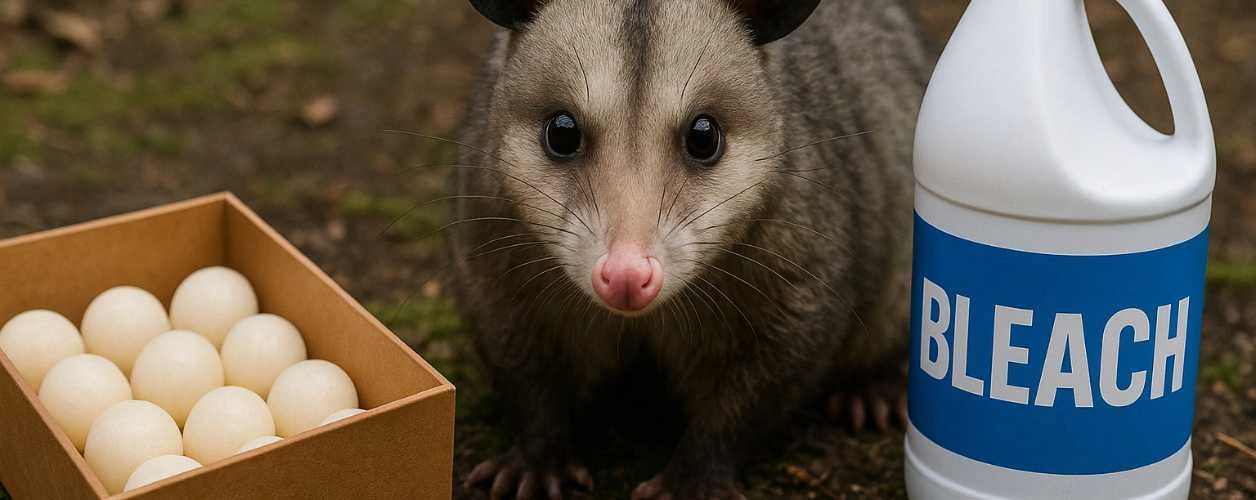
Table Of Content
- Introduction
- How Mothballs Are Thought to Work
- How Bleach Is Thought to Work
- Do These Methods Actually Work?
- Risks of Using Mothballs or Bleach
- Safe and Effective Alternatives
- Conclusion
When possums start exploring your roof, garden, or backyard, it’s natural to look for quick, inexpensive ways to scare them off. Many homeowners turn to common household items like mothballs or bleach, believing that strong odours will deter these nocturnal visitors.
But do these methods actually work? And more importantly, are they safe for you, your pets, and the environment?
In this guide, we’ll explore how mothballs and bleach are thought to repel possums, examine their effectiveness, highlight potential risks, and suggest humane, safer alternatives for keeping possums away from your home.
How Mothballs Are Thought to Work
Mothballs contain chemicals like naphthalene or paradichlorobenzene, which release a strong, pungent odour. They’re traditionally used to repel moths, insects, and other small pests in storage areas.
- The idea is that the intense smell will make the area unpleasant, encouraging possums to leave.
- Easy to scatter around roof edges, attics, or gardens.
- Inexpensive and widely available at supermarkets or hardware stores.
However, mothballs were never designed for large wildlife like possums, and their effectiveness is largely anecdotal.
How Bleach Is Thought to Work
Bleach is another household item sometimes used as a DIY possum deterrent. Its strong smell and disinfectant properties are thought to make areas “unfriendly” to wildlife.
- Odour: The pungent chlorine scent is believed to repel possums.
- Sanitisation: Some homeowners use it to clean areas with droppings, hoping the smell will discourage return visits.
- Easy Access: Bleach is cheap, widely available, and easy to apply to surfaces.
While bleach may temporarily mask scents or discourage possums from lingering in a treated area, it doesn’t address the root causes, like entry points, food availability, or shelter.
Do These Methods Actually Work?
Despite their popularity as DIY solutions, mothballs and bleach are largely ineffective at keeping possums away.
- Possums Are Adaptable: These nocturnal animals are highly curious and intelligent. They often ignore unpleasant smells if food or shelter is available.
- Temporary Effect: Any avoidance caused by odour is usually short-lived; possums often return once they realise the area is safe.
- Lack of Scientific Evidence: There’s no research confirming that mothballs or bleach reliably repel possums.
- Behavioural Habituation: Even if they initially avoid the smell, possums can quickly get used to it.
In short, while mothballs or bleach may offer a minor temporary deterrent, they do not solve the problem and are not a long-term solution.
Risks of Using Mothballs or Bleach
Using mothballs or bleach to deter possums comes with significant health and safety concerns:
1. Toxicity
- Mothballs: Contain chemicals (naphthalene or paradichlorobenzene) that are toxic to humans and pets if inhaled or ingested.
- Bleach: Strong fumes can irritate eyes, skin, and the respiratory system.
2. Environmental Hazards
- Chemicals can leach into soil or waterways, harming plants, animals, and beneficial insects.
3. Ineffectiveness
- Spending time and effort on these methods may waste resources while the possum problem persists.
4. Legal and Ethical Issues
- Misusing chemicals in ways that harm wildlife can be illegal.
- Possums are protected under Australian law, and poisoning or injuring them can carry serious fines.
Overall, using mothballs or bleach is more dangerous than effective for possum control.
Safe and Effective Alternatives
Instead of relying on potentially harmful chemicals like mothballs or bleach, there are humane and proven methods to keep possums away from your home:
1. Possum-Proof Your Home
- Seal entry points in roofs, attics, and vents with metal mesh or durable materials.
- Ensure doors and windows are secure at night.
2. Motion-Activated Deterrents
- Lights, sprinklers, or sound devices can discourage possums from entering.
- Effective because possums are nocturnal and shy of sudden stimuli.
3. Alternative Nesting Sites
- Installing a possum box in a nearby tree gives them a safe place away from your roof.
4. Remove Food Sources
- Keep pet food, compost, and fallen fruit out of reach.
- Secure chicken coops and bins to prevent easy access.
5. Call Licensed Wildlife Professionals
- For persistent problems, a licensed possum handler can safely remove and relocate possums.
- Ensures compliance with Australian wildlife protection laws.
These methods are safe, legal, and more reliable than DIY chemical deterrents.
Conclusion
While mothballs and bleach might seem like quick, easy solutions for keeping possums away, the reality is that they are largely ineffective and potentially hazardous. Possums are adaptable, intelligent, and protected by Australian law, making chemical deterrents risky for both humans and wildlife.
For long-term success, the focus should be on humane, safe, and legal strategies: sealing entry points, removing food sources, using motion-activated deterrents, and, when needed, calling licensed wildlife professionals.
Protect your home, family, and local wildlife by choosing safe possum-proofing methods. Contact licensed experts for professional removal and advice — keeping everyone safe and stress-free.
YOU MIGHT ALSO BE INTERESTED IN
Capital Cities
- Pest Control Services Services in Melbourne
- Pest Control Services Services in Brisbane
- Pest Control Services Services in Sydney
- Pest Control Services Services in Adelaide
- Pest Control Services Services in Perth
- Pest Control Services Services in Canberra
- Pest Control Services Services in Hobart
- Pest Control Services Services in Darwin