How to Get Rid of Ants
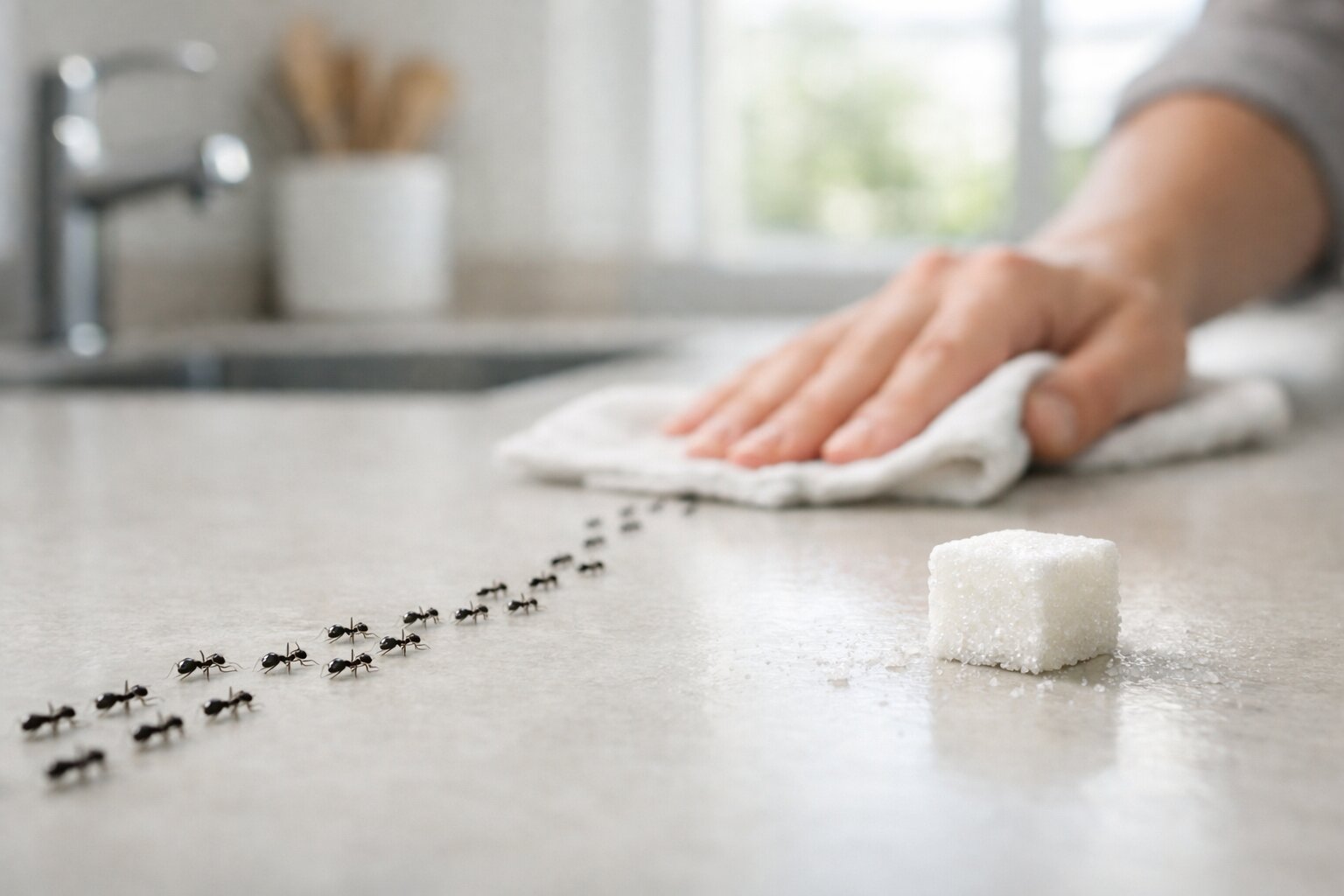
Table Of Content
- Introduction
- Why Do I Have Ants in My House?
- What Attracts Ants the Most?
- How to Get Rid of Ants in the House (Step-by-Step)
- 7 Best Home Remedies to Get Rid of Ants
- How Long Does It Take to Get Rid of Ants?
- How to Prevent Ants from Coming Back
- Common Mistakes to Avoid
- When to Call Pest Control
- Final Thoughts
To get rid of ants in the house, remove food sources, clean surfaces thoroughly, seal entry points, and use ant baits or natural repellents like vinegar or lemon. Ants follow scent trails, so wiping these away is key to stopping them. For long-term control, eliminate moisture, store food in airtight containers, and block cracks where ants enter.
Dealing with an ant infestation in your home can be incredibly frustrating. One day you see a single scout ant on the counter, and the next day, a full-blown marching line is attacking your sugar bowl. If you want to stop these pests permanently, you need a strategy that targets the root of the problem. Here is everything you need to know about eliminating indoor ants for good.
Why Do I Have Ants in My House?
If you are wondering why you suddenly have an ant infestation at home, the answer usually comes down to basic survival needs. Ants are resourceful foragers constantly on the hunt for resources to sustain their colony.
Ants enter homes mainly in search of food, water, and shelter.
When outdoor conditions become harsh, ants look for safe havens. Extreme seasonal changes heavily influence ant behavior. For example, during heavy rains, their underground nests may flood, forcing them to seek dry shelter indoors. Conversely, during hot, dry summer droughts, they will infiltrate your home looking for a reliable water source.
In many cases, ants have already built a nest nearby either right against your home's foundation, under the driveway, or even inside your wall voids. Because they are so tiny, they can exploit the easiest entry points, slipping through microscopic cracks in the foundation, gaps beneath doors, or torn window screens.
Common Places Ants Appear
Ants rarely wander aimlessly. They target areas of the house that provide exactly what they need. You will most often spot them in:
- Kitchen counters: The primary location for crumbs, spills, and food prep.
- Pantry: A goldmine of unsealed grains, sugars, and snacks.
- Sinks: Kitchen and bathroom sinks provide standing water and moisture.
- Near windows and doors: The most common structural entry points.
- Wall cracks: Safe transit highways that hide their movements from predators.
What Attracts Ants the Most?
To successfully get rid of ants in the house, you have to understand what is drawing them inside in the first place. Ants have an incredibly powerful sense of smell, allowing them to detect a food source from a great distance.
Sugary foods are the ultimate prize for most common household ants (often called "sugar ants"). A single drop of spilled honey, a poorly sealed bag of sugar, or a sticky syrup bottle in the pantry can attract thousands of worker ants.
Crumbs and spills are equally enticing. Even microscopic food particles left on the floor after dinner are enough to sustain an ant colony. Pet food is another major culprit. Bowls of dog or cat food left out all day provide a consistent, protein-rich buffet that ants love.
Furthermore, garbage bins that lack tight-fitting lids emit odors of rotting food and sugary liquids that act as a beacon for foraging pests. Don't overlook grease and oils, either; grease splatters on the stove or unwashed pans in the sink are highly attractive to protein-seeking ants. Finally, standing water from leaky pipes, damp sponges, or overwatered indoor plants provides the hydration these insects desperately need to survive.
How to Get Rid of Ants in the House (Step-by-Step)
Stopping an ant infestation requires more than just crushing the ones you see. You have to be strategic. By following this comprehensive, step-by-step process, you can eliminate the current invaders and destroy the colony they came from.
Step 1 – Identify the Source and Trail
Before you start cleaning or spraying, take a moment to observe the ants. Watch where they are going and where they are coming from. By following the ant trail, you can locate their primary entry point, such as a gap in the baseboard or a loose window frame. More importantly, observing their path will lead you directly to the food source they are exploiting. If you can, try to determine if the nest is located indoors (like inside a wall) or outdoors, as this will help you place your treatments more effectively.
Step 2 – Remove Food Sources
Once you know what they are after, take it away. Without a food source, ants have no reason to stick around. Clean up all crumbs and spills immediately. Sweep and vacuum the floors, particularly under appliances where food tends to hide. Transfer your pantry staples—especially sugar, cereal, and flour into hard plastic or glass airtight containers. Wipe down your stovetop to remove grease, and ensure that pet food is picked up and stored securely when your pet is not eating.
Step 3 – Clean Ant Trails
When a scout ant finds food, it leaves behind an invisible chemical pheromone trail on its way back to the nest. This scent trail tells the rest of the worker ants exactly how to find your kitchen counter.
Cleaning scent trails stops ants from returning to the same path.
Simply wiping away the ants with a dry paper towel leaves the trail intact, meaning new ants will show up an hour later. Instead, mix a solution of half water and half white vinegar. Spray this generously over the path the ants were walking and wipe it clean. The acidity of the vinegar completely neutralizes the pheromones, leaving the colony blind to the food source.
Step 4 – Use Ant Baits
If you want to stop ants permanently, you must eliminate the queen and the nest. Spraying visible ants only kills the foragers, which make up a tiny fraction of the colony. Instead, use commercial ant baits. These baits contain a slow-acting poison mixed with a sweet or protein-based attractant.
Place the bait stations directly near the entry points or along the paths where you previously saw trails. The worker ants will eat the bait, carry the poisoned food back to the colony, and share it with the rest of the nest, including the queen. Once the queen dies, the entire colony collapses.
Step 5 – Seal Entry Points
While the bait is doing its work over a few days, take away their access routes. Inspect the perimeter of your home, both inside and out. Use silicone caulk to seal cracks in the walls, gaps along the baseboards, and spaces around window frames. Apply weather stripping to the bottom of exterior doors. Pay special attention to pipe openings under sinks, as ants frequently use utility lines to navigate through walls.
Step 6 – Repeat Daily for Best Results
Indoor pest control is rarely a one-and-done job. Consistency is key. You must maintain a strict daily cleaning routine, ensuring no dishes are left in the sink overnight and no crumbs are left on the floor. Monitor the bait stations daily, replacing them as they empty. Infestations take time to eliminate, so stay vigilant and repeat your cleaning and trailing-wiping processes as needed.
7 Best Home Remedies to Get Rid of Ants
If you prefer to avoid harsh chemical insecticides, there are plenty of highly effective, natural ant repellents you can make using basic household items. You can also explore more natural pest control options for common household problems to manage infestations safely.
1. Vinegar Spray
As mentioned in the step-by-step guide, vinegar is one of the best tools for ant control. Mix equal parts white vinegar and water in a spray bottle. Spray it on entry points, windowsills, and countertops. It disrupts their scent trails and the strong odor deters new ants from entering.
2. Lemon Juice
Similar to vinegar, the citric acid in lemon juice masks ant pheromones and acts as a natural repellent. You can spray pure lemon juice around door thresholds or mix a few tablespoons into your mop water to make your kitchen floors unappealing to pests.
3. Baking Soda + Sugar
This is a highly effective, DIY lethal trap. Mix equal parts baking soda and powdered sugar in a shallow dish. The sugar attracts the ants, but the baking soda is fatal when ingested. It reacts with the acidic materials in the ant's digestive system, expanding and killing them.
4. Borax and Sugar Bait
This is the homemade version of commercial ant bait and acts as a powerful colony killer. Mix half a teaspoon of Borax (found in the laundry aisle), eight teaspoons of sugar, and one cup of warm water. Soak cotton balls in this solution and place them near entry points. The ants will drink the sweet liquid and carry the toxic Borax back to the nest. Keep this mixture away from pets and children.
5. Diatomaceous Earth
Food-grade Diatomaceous Earth (DE) is a natural powder made from crushed, fossilized algae. When ants walk across it, the microscopic sharp edges cut into their exoskeletons, absorbing their bodily oils and causing them to dehydrate and die. Sprinkle DE thinly along baseboards, under appliances, and near entry cracks.
6. Essential Oils (Peppermint, Tea Tree)
Ants hate strong, overwhelming smells. Peppermint and tea tree essential oils are fantastic natural ant repellents. Mix 10 to 15 drops of peppermint oil with a cup of water and spray it around windows, doors, and baseboards. It leaves your house smelling fresh while keeping pests at bay.
7. Coffee Grounds
Don't throw away your morning coffee grounds! Sprinkle used coffee grounds around the outside perimeter of your house or directly over anthills in the garden. The strong smell and acidity act as a powerful deterrent, creating a barrier that ants are reluctant to cross.
How Long Does It Take to Get Rid of Ants?
When you have ants in the kitchen, you naturally want them gone immediately. However, the timeline for total eradication depends on the severity of the problem and the methods used.
If you catch a few scout ants early and eliminate the food source, a small problem can be resolved in 2 to 3 days using cleaning methods and repellent sprays.
However, if you are dealing with a larger infestation where trails are established, it generally takes 1 to 2 weeks to gain full control.
Ants take time to eliminate because the entire colony must be affected.
When using baits, you have to wait for the worker ants to harvest the poison, carry it back, and distribute it to the queen. During this time, you may actually see more ants swarming the bait. Do not kill them! Let them take the bait back to the nest. Patience is required to ensure the entire colony collapses.
How to Prevent Ants from Coming Back
Once you have successfully stopped an ant infestation, your next goal is to ensure they never return. Preventing ants in the house is much easier than fighting an active colony. For long-term protection, many homeowners consider annual pest control services to keep infestations under control year-round.
- Keep the kitchen clean: Wipe down counters nightly, sweep the floors, and never leave dirty dishes sitting in the sink overnight.
- Store food properly: Transfer boxed or bagged pantry items into airtight glass or heavy-duty plastic containers. Keep ripe fruit in the refrigerator instead of the counter.
- Take out the trash daily: Empty your indoor kitchen bin frequently, and ensure your outdoor garbage cans have tight-fitting lids. Wash your bins periodically to remove sweet, sticky residue.
- Fix leaks: Since ants need water, eliminate indoor moisture. Fix dripping sink faucets, repair leaking pipes, and ensure your bathroom is properly ventilated to dry out condensation.
- Seal cracks: Make it a yearly maintenance habit to inspect your home's exterior and caulk any new cracks in the foundation, gaps around windows, or holes where utility pipes enter the house.
- Reduce moisture outdoors: Keep mulch, dead leaves, and firewood at least a few feet away from your home's foundation to prevent ants from nesting right against your walls.
- Regular cleaning routine: Mop floors regularly with a vinegar or lemon solution to passively deter scouts from establishing new trails.
Common Mistakes to Avoid
Many homeowners accidentally prolong their pest problems by making simple errors in their treatment strategy. Avoid these common pitfalls:
- Only killing visible ants: Spraying a marching line of ants with chemical bug spray feels satisfying, but it does nothing to stop the thousands of ants still waiting in the nest.
- Ignoring the nest: If you don't use bait or track them back to their entry point, the root cause remains unaddressed.
- Leaving food exposed: Trying to poison ants while leaving a bowl of unprotected fruit on the counter creates competing food sources.
- Not cleaning scent trails: If you don't use vinegar or soap to break the chemical pheromone trail, new worker ants will simply follow the old path tomorrow.
- Using ineffective sprays alongside baits: Never spray insect repellent near ant bait. The spray will kill the workers before they can carry the poison back to the queen, rendering the bait useless.
When to Call Pest Control
While DIY methods and home remedies for ants are highly effective for standard sugar ant invasions, some situations require professional help.
You should call an exterminator if you are dealing with recurring infestations that do not respond to cleaning and baiting. Before booking a service, it’s useful to understand how much a pest inspection costs so you can plan accordingly.
Additionally, if you suspect structural nesting specifically from Carpenter Ants, you need professional intervention immediately. Unlike standard ants, carpenter ants excavate wood to build their nests, which can cause severe, costly damage to your home's framing. Finally, commercial spaces, such as restaurants or office buildings, should always rely on pest control professionals to ensure health code compliance.
Final Thoughts
Getting rid of ants requires removing their food sources, breaking their scent trails, and targeting the colony. With consistent cleaning and prevention, you can keep your home ant-free long term.
By understanding what attracts these tiny intruders and utilizing strategic baiting and sealing methods, you can successfully reclaim your kitchen and stop ants permanently.


Answers to Your Common Questions
Cleaning surfaces with a vinegar solution to erase scent trails and immediately deploying slow-acting ant baits is the quickest, most effective method to wipe out an infestation at its source.
Because food sources or scent trails are still present. If you only kill the ants you see but leave the spilled sugar behind or fail to wipe away their pheromone tracks, the colony will simply send more workers.
No, they usually stay as long as food and shelter are available. Once an ant colony establishes a reliable food and water source in your home, they will continue to exploit it until you forcefully stop them.
Vinegar, lemon, and peppermint are strong deterrents. Ants rely on delicate pheromones to communicate and navigate, so any overwhelming, acidic, or minty odors disrupt their senses and drive them away.
Most common household ants are harmless but can contaminate food. They do not carry diseases like cockroaches do, but you still shouldn't eat food that a swarm of ants has marched across. Certain species, however, like carpenter ants or fire ants, can cause property damage or deliver painful stings.
Through small cracks, doors, and windows. Because of their microscopic size, they can squeeze through tiny foundation fissures, unsealed pipe entryways, and gaps beneath weather stripping.
It repels and disrupts their trails but may not kill the colony. Spraying an ant directly with vinegar can drown it, but its primary use is neutralizing the chemical scent trails that guide other ants into your home.
YOU MIGHT ALSO BE INTERESTED IN
Capital Cities
- Pest Control Services Services in Melbourne
- Pest Control Services Services in Brisbane
- Pest Control Services Services in Sydney
- Pest Control Services Services in Adelaide
- Pest Control Services Services in Perth
- Pest Control Services Services in Canberra
- Pest Control Services Services in Hobart
- Pest Control Services Services in Darwin