Are Huntsman Spiders Dangerous?
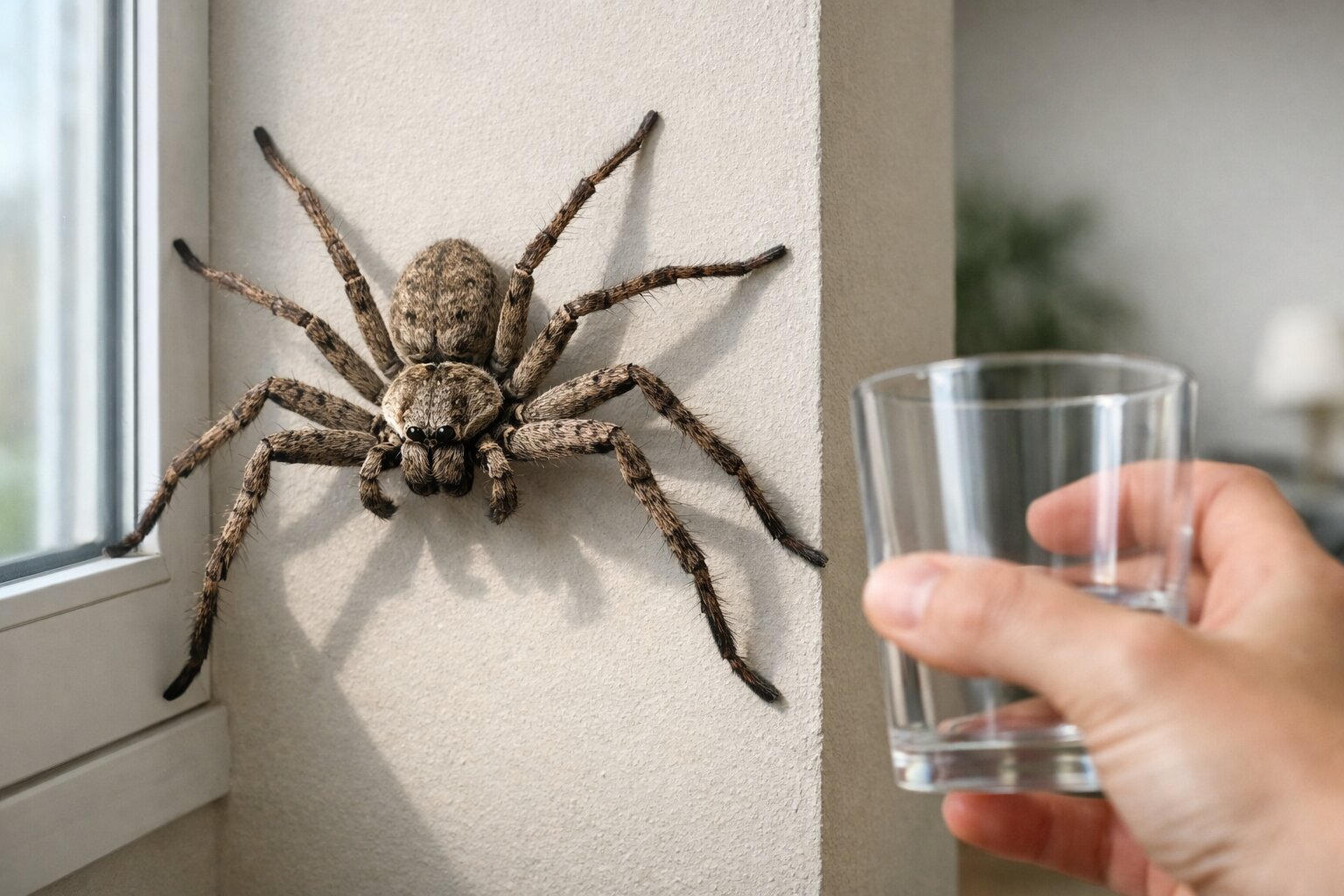
Table Of Content
- Introduction
- What Is a Huntsman Spider?
- Are Huntsman Spiders Dangerous to Humans?
- What Happens If a Huntsman Spider Bites You?
- Are Huntsman Spiders Poisonous or Venomous?
- Why Do Huntsman Spiders Enter Homes?
- Are Huntsman Spiders Beneficial?
- How to Keep Huntsman Spiders Out of Your Home
- How to Safely Remove a Huntsman Spider
- Common Myths About Huntsman Spiders
- When to Call Pest Control
- Final Thoughts
Huntsman spiders are generally not dangerous to humans. While they can bite if threatened, their venom is not considered harmful and usually causes only mild symptoms such as pain, redness, or swelling. These spiders are more of a nuisance than a threat and are actually beneficial because they help control household pests.
If you have ever been startled by a massive, hairy spider scurrying across your living room wall at lightning speed, you are not alone. Let’s dive into everything you need to know about huntsman spider safety and whether you should actually be afraid of these giant arachnids.
What Is a Huntsman Spider?
A huntsman spider is a member of the Sparassidae family. They are recognizable by their incredibly large, flattened bodies and long, sprawling legs that joint forward like a crab. Due to their formidable appearance, many people immediately assume the worst when they spot one resting on their wall or ceiling.
Huntsman spiders are known for their speed and large size, not for being dangerous.
Instead of building webs to catch their prey, these agile household spiders are active hunters. They use their impressive speed to chase down insects on foot. They are commonly found in warm, tropical, and subtropical regions across the globe, including Australia, Africa, Asia, and parts of the Americas. Because their bodies are distinctively flat, they are perfectly adapted to squeeze into incredibly narrow cracks, under tree bark, and behind the furniture in your home. Their hairy, somewhat intimidating appearance often leads to widespread misunderstanding, but understanding their true nature is the very first step in proper spider safety.
Are Huntsman Spiders Dangerous to Humans?
When confronted with an insect the size of a dinner plate inside your house, the most immediate question is: are huntsman spiders dangerous? The straightforward, scientific answer is no, they are not.
Most encounters with huntsman spiders are harmless.
Despite their terrifying size and rapid, unpredictable movements, huntsman spiders are notoriously skittish and non-aggressive toward humans. Their first instinct when encountering a person is almost always to flee and hide, not to attack. They will go out of their way to avoid human contact entirely.
Bites from a huntsman spider are exceptionally rare. A huntsman will only bite if it feels severely threatened, physically trapped, or cornered—for instance, if you accidentally press your hand against one while putting on a shoe or picking up a piece of firewood. Even in the highly unlikely event that a bite does occur, their venom is not considered medically significant to humans. Unlike the notorious black widow or brown recluse, a huntsman spider does not possess toxins that cause severe systemic reactions or tissue decay. They are widely classified by pest experts as harmless spiders that pose virtually zero threat to human life or well-being.
What Happens If a Huntsman Spider Bites You?
While a huntsman spider bite is not life-threatening, it is still a physical injury that can cause localized discomfort. Because these spiders are quite large, their fangs (chelicerae) are strong enough to puncture human skin. If you are bitten, the experience is often compared to a mild to moderate bee sting.
The most common symptoms of a huntsman spider bite include:
- Mild localized pain at the bite site.
- Redness and minor inflammation.
- Swelling around the puncture marks.
- Itching as the bite begins to heal over the following days.
These symptoms are generally short-lived and resolve on their own within a day or two. You can manage the physical discomfort by washing the area with soap and warm water to prevent infection, applying a cold compress to reduce swelling, and taking basic over-the-counter pain relievers or antihistamines.
When to Seek Medical Help
While typical reactions are incredibly mild, there are rare instances where a bite requires professional attention. You should seek immediate medical help if you experience signs of an allergic reaction or anaphylaxis, such as difficulty breathing, severe dizziness, or swelling of the face and throat. Additionally, monitor the bite for unusual symptoms like severe muscle cramps, profuse sweating, or signs of secondary infection, such as pus, increasing heat, or expanding red streaks radiating from the bite zone.
Are Huntsman Spiders Poisonous or Venomous?
When researching spider safety, you will often hear people ask, "Are huntsman spiders poisonous?" In scientific terms, this is technically the wrong terminology to use.
Huntsman spiders are venomous, but their venom is not harmful to most people.
The difference between poisonous and venomous comes down to how the toxin is delivered. Poison is ingested, inhaled, or absorbed (like touching a poison dart frog or eating a toxic mushroom). Venom, on the other hand, is actively injected into a target via fangs or stingers.
Like almost all spiders in the world, huntsman spiders are indeed venomous. They use their venom to paralyze, kill, and digest their small insect prey. However, the toxicity of their venom is specifically tailored to the biology of tiny insects, not massive mammals like humans or household dogs and cats. Therefore, while they do carry venom, they are not dangerous to humans. You do not need to worry about being poisoned or suffering severe envenomation if you encounter a spider in house settings.
Why Do Huntsman Spiders Enter Homes?
Huntsman spiders are primarily outdoor creatures, naturally residing under loose tree bark, deep in leaf litter, and beneath rocks. However, they frequently make their way indoors. Why do they suddenly appear on your living room wall?
The primary reason huntsman spiders enter homes is that they are actively searching for food. Because they are roaming hunters rather than stationary web-weavers, they follow their prey wherever it goes. If your house has a population of cockroaches, silverfish, crickets, or moths, a huntsman spider will likely invite itself inside to feast on the buffet.
Another major factor is the search for a warm, safe shelter. During periods of extreme weather changes—such as heavy rain, dropping temperatures in the winter, or intense summer heatwaves—huntsman spiders will seek refuge in climate-controlled environments. Your home provides the perfect sanctuary.
They easily gain access through open windows, torn screens, gaps under doors, and cracks in the foundation. Because their bodies are incredibly flat, they can slip through surprisingly narrow crevices to take up residence behind your bookcases, behind picture frames, or tucked inside the corners of your closets.
Are Huntsman Spiders Beneficial?
It is easy to view any large arachnid as a terrifying pest, but huntsman spiders are actually highly beneficial to have around your property. In fact, many experts consider them to be a form of highly efficient, free, and natural spider control.
Because they are highly active predators with voracious appetites, huntsman spiders consume a massive number of household insects. Their daily diet consists primarily of genuine nuisance pests, including cockroaches, mosquitoes, flies, crickets, and even smaller, potentially dangerous spiders.
By hunting these insects, a single huntsman spider can significantly reduce the pest populations in your home and garden. They operate silently in the background, keeping disease-carrying bugs like cockroaches in check without the need for toxic chemical sprays. So, while their appearance might make your heart skip a beat, they are actively working hard to keep your home clean and free of much worse infestations.
How to Keep Huntsman Spiders Out of Your Home
Even knowing they are harmless spiders, most people simply do not want a massive arachnid sharing their bedroom. If you want to prevent these leggy hunters from moving in, you need to make your house inaccessible and unappealing to them. For long-term prevention, many homeowners also explore outdoor pest control costs to manage insects around the property.
- Seal cracks and gaps: Do a thorough inspection of your home’s exterior. Use heavy-duty silicone caulk to seal up foundation cracks, gaps around utility pipes, and crevices around window frames where spiders slip through.
- Install screens and weather stripping: Since huntsman spiders frequently wander in through the front door or open windows, ensure you have tight-fitting door sweeps installed. Repair any tears in your window screens immediately.
- Reduce insects (their food supply): The absolute most effective way to keep huntsman spiders away is to eliminate their prey. If there are no cockroaches or moths in your house, the spider will have no reason to stay. Practice standard indoor pest control by keeping food sealed, taking out the trash regularly, and using targeted bug sprays to eliminate their food sources.
- Keep your home clean: Vacuum frequently and wipe down surfaces. While spiders aren't attracted to human food crumbs, the insects they eat certainly are.
- Remove clutter and hiding spots: Huntsman spiders love dark, undisturbed spaces. Clear out piles of old magazines, unused cardboard boxes, and clothes left on the floor. Outdoors, keep firewood, garden debris, and leaf litter well away from the perimeter of your house, as these are their preferred natural habitats.
How to Safely Remove a Huntsman Spider
If you find a huntsman spider in your house, there is no need to panic. Because they are virtually harmless, the best and most humane course of action is to safely catch and release the spider outside.
To do this without harming the spider or risking a defensive bite, use the classic "cup and paper" method. Slowly approach the spider with a large, clear plastic container, Tupperware, or a wide-mouthed glass. Place the container gently over the spider, ensuring you don't pinch its long legs against the wall. Once the spider is trapped, carefully slide a stiff piece of paper or cardboard underneath the opening. Keep the paper pressed firmly against the container as you carry it outdoors.
Always avoid direct contact. Do not try to pick the spider up with your bare hands, as this is when a defensive bite is most likely to occur. Once you are a safe distance from your home, simply place the container on the ground and lift it away to release the spider into the garden. If you absolutely cannot stomach the idea of getting close to it, or if it is in an unreachable spot, a targeted indoor pest spray can be used, though non-lethal removal is always the most environmentally friendly option.
Common Myths About Huntsman Spiders
Because of their terrifying, cinematic appearance, huntsman spiders are the subject of numerous urban legends. Let’s debunk the most common myths regarding spider safety:
- Myth: They chase people. ❌ Fact: Huntsman spiders do not chase humans. If a spider appears to be running toward you, it is not attacking. It is likely just confused, disoriented, or trying to reach a dark shadow (like the shadow cast by your body) to hide.
- Myth: They are deadly. ❌ Fact: There are no recorded human deaths resulting from a huntsman spider bite. Their venom is designed for small insects and is completely harmless to humans.
- Myth: They are highly aggressive. ❌ Fact: They are incredibly timid. Huntsman spiders would much rather flee at lightning speed than stand their ground and fight a human. They only bite as a last-resort defense mechanism when physically crushed or trapped.
When to Call Pest Control
While an occasional huntsman spider sighting is normal, especially in warmer climates and during seasonal changes, there are situations where professional help is warranted. If you're considering expert help, it's useful to understand spider control costs in Australia before making a decision.
You should consider calling a pest control expert if you experience frequent, repeated sightings of huntsman spiders inside your home. This usually indicates a secondary, hidden insect infestation (like a major cockroach colony) that the spiders are actively feeding on. Additionally, if you discover large numbers of baby spiders hatching indoors, an exterminator can help manage the situation before it spreads across your home.
Severe arachnophobia is also a valid reason to seek professional pest control spiders management, as a technician can treat your home's exterior perimeter to provide peace of mind. Finally, commercial spaces like offices, restaurants, and hotels should always utilize professional services to ensure the comfort and safety of their patrons.
Final Thoughts
Huntsman spiders may look intimidating, but they are generally harmless and even helpful in controlling pests. With simple precautions, you can safely manage or prevent them in your home.
By understanding their natural behavior, recognizing they pose no real medical threat, and practicing basic home maintenance, you can comfortably coexist with these fascinating, highly beneficial hunters.


Answers to Your Common Questions
No, their venom is not dangerous to humans. There have been zero recorded human deaths from a huntsman spider bite. Their venom is biologically designed only to incapacitate tiny insects.
No, they usually avoid humans. They are incredibly skittish creatures and will almost always choose to run away and hide in a dark corner rather than attempt to attack a person.
Bites are extremely rare and usually happen only if threatened. A bite typically only occurs if the spider is accidentally trapped against your skin, handled roughly, or stepped on.
It may cause mild pain and swelling. The sensation is often compared to a localized bee sting or a mild ant bite, accompanied by minor redness, swelling, and itching that resolves quickly.
They are harmless and beneficial, so removal is usually enough. Catching and releasing them outdoors allows them to continue eating pest insects like mosquitoes and cockroaches in your garden.
They enter homes searching for food and shelter. They frequently follow insect prey like cockroaches inside, or they seek refuge inside your house to escape from extreme outdoor weather like heavy rain or heatwaves.
YOU MIGHT ALSO BE INTERESTED IN
Capital Cities
- Pest Control Services Services in Melbourne
- Pest Control Services Services in Brisbane
- Pest Control Services Services in Sydney
- Pest Control Services Services in Adelaide
- Pest Control Services Services in Perth
- Pest Control Services Services in Canberra
- Pest Control Services Services in Hobart
- Pest Control Services Services in Darwin