What Is Carpentry?
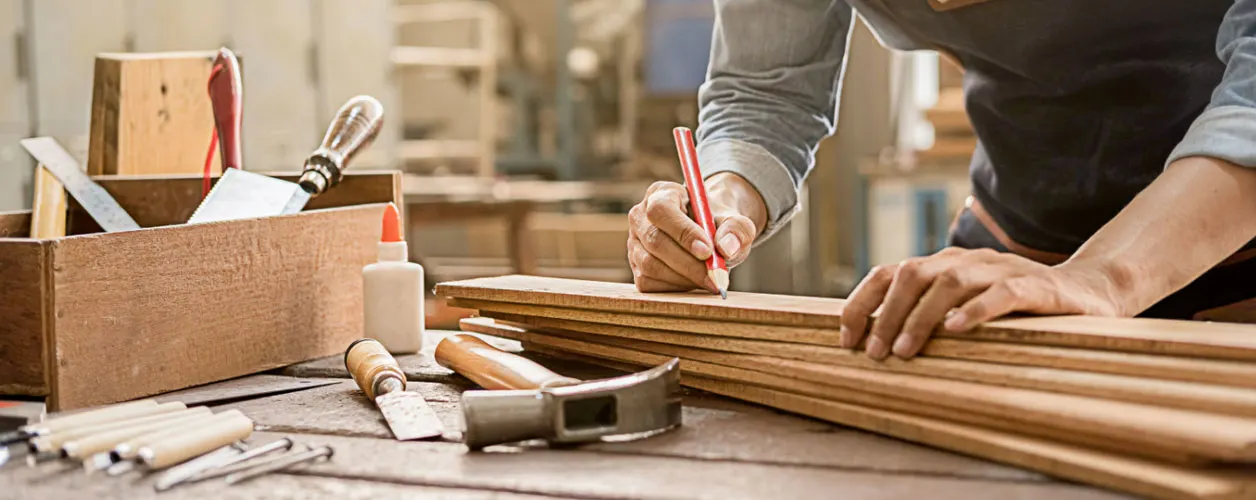
With a long history and a multitude of uses, carpentry is a versatile art. Carpenters are highly sought after and work in many fields with their refined skills. Most carpentry works are related to working with wood, but if you want to know what carpentry is in detail, you should know that they also work on glass, steel, PVC, and other materials. They can enhance the visual attractiveness of any wooden building structure, making wooden items and constructing building parts. Thus, you should not be surprised by how much a kitchen cabinet maker charges, as the carpenter is a highly trained craftsman.
Here we are with a beginner's guide to working with wood and the essential things you need to know about carpenters and their role. If you do not know what carpentry entails, you will understand everything after reading this comprehensive guide. This can help you plan your woodwork with experts and ensure your home improvements are completely successful.
What Is Carpentry And Where Is It Required?
Carpentry is one of the oldest skills in human history but remains exceptionally high in demand today for home construction, cabinet making, door installation, and window making. Carpentry encompasses a massive list of work done by carpenters. There are many works carpenters can do, like constructing wooden buildings, bridges, wooden roofing, furniture, and other architectural structures. Carpenters work with immense expertise in creating, repairing, and installing different things made from wood, steel, iron, PVC, and composite materials. They can read complex blueprints and adhere to exact specifications to operate with a broad range of instruments, including saws, chisels, and drills.
In the construction sector, carpentry is heavily used for creating wooden frameworks for roofs, eaves, doors, and windows. Without proper framing, no modern house could stand secure against the elements.
In homes, carpenters skillfully craft and install interior features like doors, cabinets, and shelves. These additions contribute to the overall structure and aesthetic appeal of the house. Carpenters also play a crucial role in repairing and maintaining wooden components to ensure the longevity and stability of a home's infrastructure. Whether fixing a squeaky floorboard or replacing an entire staircase, their skills are invaluable for property maintenance.
In the commercial industry, they work to build benches, tables, desks, chairs, sofas, beds, cabinets, and shop fittings. They can create nearly every item that can be made from wood, ensuring that retail spaces, offices, and restaurants look professional and function perfectly for their daily business operations.
The Rich History of Carpentry in Australia
Carpentry has played a foundational role in the development of Australia. From the early days of European settlement, skilled carpenters were essential for building the first shelters, homesteads, and community buildings. Because Australia possessed unique and incredibly hard native timbers, early carpenters had to adapt their traditional European techniques. Woods like Jarrah, Ironbark, and Spotted Gum required different handling and much sharper tools compared to the softer woods found overseas.
As the nation grew, so did the complexity of the woodworking required. The iconic Queenslander homes, with their elevated wooden frames and expansive verandas, are a brilliant testament to the ingenuity of Australian carpenters. These structures were specifically designed by carpenters to catch cooling breezes and avoid floodwaters, showing exactly how the trade adapted to the harsh and unpredictable Australian climate.
Today, Australian carpentry blends this rich historical knowledge with modern building technology. Contemporary carpenters still appreciate the beauty of native timbers but also utilise advanced engineered woods and modern fastening systems. Understanding this history helps you appreciate the deep roots of the trade and why experienced local carpenters are so highly valued across the country.
Carpenter vs. Joiner: What is the Difference?
Many people use the terms carpenter and joiner interchangeably, but in the building industry, they represent two distinct specialities. Understanding the difference is crucial when you are planning a renovation or building project.
A joiner is a craftsman who creates the wooden components of a building, usually working in a controlled workshop environment. Joiners connect wood together to create items like staircases, window frames, doors, and custom cabinetry. They rely on heavy workshop machinery and focus on the intricate joints and fine details of the wood before it ever reaches a building site.
A carpenter, on the other hand, typically works directly on the construction site. They take the beautiful items created by the joiner and install them into the building. Carpenters also build the structural elements of the house, such as the wall frames and roof trusses. While a joiner focuses on the creation of the components without using metal fasteners where possible, a carpenter focuses on the larger assembly, using nails, screws, and heavy hardware to secure the structure safely. Both trades are essential, and many professionals in Australia hold qualifications in both carpentry and joinery.
Tools Used In Carpentry
Carpenters possess a comprehensive understanding of various tools necessary for their craft beyond working solely with timber. In the construction industry, when conceptualising new products, they must consider the array of tools essential for the task. This includes expertise in machinery, particularly power tools like drills, hammers, and saws.
Today's carpentry toolkit is divided into three main categories: hand tools, power tools, and measuring tools. Hand tools remain the absolute heart of the craft. Chisels, block planes, hand saws, and claw hammers are used for detailed work where precision is more important than speed. A good carpenter keeps their hand tools incredibly sharp and well maintained at all times.
Power tools have revolutionised the speed and efficiency of the trade. Circular saws, compound mitre saws, nail guns, and cordless drills allow carpenters to frame entire houses in a fraction of the time it took a century ago. These tools require strict safety protocols and proper training to use effectively without causing injury.
Additionally, carpenters are proficient with other vital instruments facilitating the efficient completion of their work. From ladders to protractors, they utilise a range of devices. Protractors and spirit levels are particularly crucial for carpenters as they ensure precise measurements of angles and corners on designs before cutting and construction commence. Laser levels have also become standard on Australian job sites, allowing for perfect alignments over incredibly long distances.
Essential Skills Every Modern Carpenter Needs
Beyond just swinging a hammer, modern carpenters need a highly diverse skill set to succeed in the Australian construction industry. Mathematics is incredibly important. Carpenters use geometry and algebra daily to calculate angles, determine the required amount of materials, and ensure everything is perfectly square.
Physical stamina and strength are also strictly required. The job involves heavy lifting, standing for extended periods, and working in various extreme weather conditions. Good hand eye coordination ensures that cuts are straight and power tools are used safely.
Communication skills are also vital on a busy site. Carpenters frequently collaborate with electricians, plumbers, and architects on a job site. They must be able to articulate problems, read complicated blueprints, and explain the building process to homeowners clearly. Finally, problem solving is at the very core of carpentry. No piece of wood is perfectly straight, and no building site is perfectly level, so a great carpenter knows how to adjust and solve structural puzzles on the fly.
A Beginner's Guide to Working with Wood
If you are a beginner in working with wood, there are several things you need to understand to start your work successfully. Carpenters have professional skills, which are very necessary for the construction and woodworking sectors. People hire carpenters because they can easily construct anything from intricate furniture pieces to robust building frames. Let us explore the different types of carpentry and what is expected from someone in this industry.
Rough Carpentry
In rough carpentry, carpenters are capable of creating the framework and structural parts of the building. By doing this, carpenters support the building and divide its weight to balance it safely. They set the framework according to the supporting walls, floors, and roofs. Rough carpenters play a crucial role in designing a building's fundamental structure and making sure it is resilient to outside pressures, such as strong Australian winds and severe weather.

Finish Carpentry
The fine elements that raise a structure's visual attractiveness are the focus of finish carpentry. Finish carpenters concentrate on completing the final touch, such as installing doors, windows, window frames, curtain rods, and storage cabinets in bathrooms. They make exquisitely completed goods by carefully attending to every detail while expertly working with delicate wood. Finish carpenters add significantly to a room's overall beauty and property value.
Cabinet Making
Cabinet makers are carpenters with a focus on creating storage solutions and custom cabinets. They are adept at making storage units that are aesthetically pleasing and highly functional. Cabinet makers design and construct cabinets to meet specific user demands. They have enough knowledge to use different materials, such as veneers, plywood, and hardwoods. A carpenter's specialty here is making the most use of available space while upholding a high standard of craftsmanship.
Trim Carpentry
Finishes and trimming give a room a polished appearance, which is the main emphasis of trim carpenters. In trim carpentry, people hire professionals to install baseboards, wainscoting, crown moulding, and other decorative trimming work. Trim carpentry demands extreme accuracy and close attention to the visual flow of the room. A perfectly installed trim can hide the gaps between walls and floors, completing the interior design beautifully.
Roofing Carpentry
Building and maintaining roofs is the responsibility of carpenters with expertise in roofing. This calls for handling various materials, such as timber trusses, metal, tiles, and shingles. Roofing carpenters make sure the roof is both structurally solid and perfectly aligned to be waterproof. Roofing carpentry can be done in both residential and commercial places, and it requires a strong understanding of angles and weight distribution.
Formwork Carpentry
When building concrete buildings, formwork carpentry is incredibly important. To shape different parts of buildings like walls, columns, and beams, carpenters in this industry make or form the moulds into which the liquid concrete is poured. For the concrete parts to have the appropriate shape and structural integrity, formwork carpentry accuracy and precision are essential. Large scale construction projects like bridges, skyscraper buildings, and infrastructural developments frequently require this kind of heavy carpentry.
Ship Carpentry
Ship carpentry is a historically significant trade that focuses on building and repairing wooden ships. Traditional ship carpenters continue to be important in preserving and restoring antique boats across Australian maritime museums and harbours. Even though modern shipbuilders use metal and composite materials extensively, ship carpenters still complete the specialised wooden fit outs. They have unique skills and ensure the seaworthiness of their work by using solid materials capable of withstanding harsh saltwater.
Green Carpentry
Green carpentry emphasises ecologically friendly methods and materials. Sustainable forestry techniques, recycled resources, and salvaged wood are given top priority by carpenters in the green carpentry industry. This sector is growing rapidly in Australia as homeowners become more environmentally conscious. Green carpentry is perfectly in line with the larger global trend toward ecologically friendly and sustainable building methods.
Restoration Carpentry
This type of carpentry focuses on preserving and repairing old or historic buildings. To preserve a building's original character, carpenters in this profession frequently use conventional techniques and authentic vintage supplies. People usually hire restoration carpenters to keep the character and authenticity of historic heritage listed buildings safe with their specialised skills.
Industrial Carpentry
Industrial carpentry can be defined by a few specific carpentry tasks related to wooden carpentry in industrial areas. Working on large scale projects like factories, warehouses, and mining infrastructure is a vital need for industrial carpentry. Installing specialised machinery supports and safety structures needed for industrial operations frequently falls under the purview of an industrial carpenter.
Prioritising Safety in Australian Carpentry
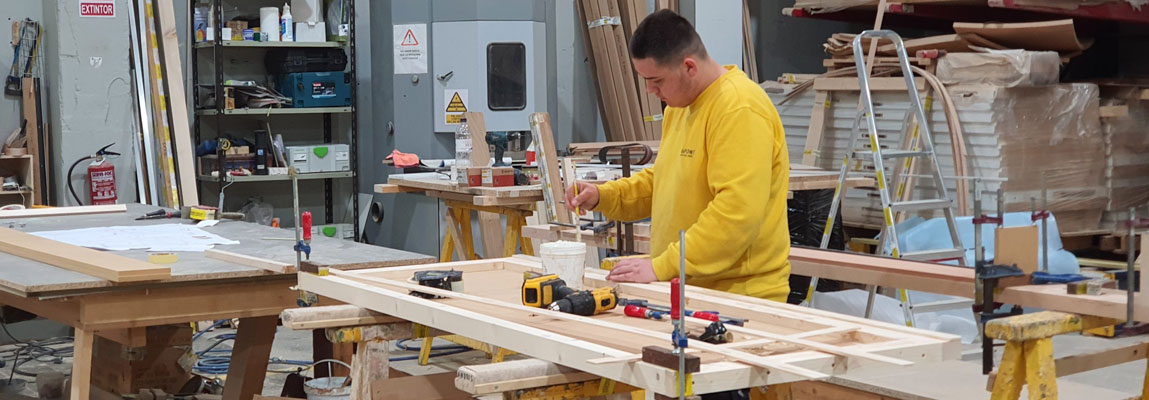
Safety is the most critical aspect of any carpentry job. In Australia, strict occupational health and safety regulations govern how construction sites operate. Carpenters are required to wear appropriate personal protective equipment at all times. This includes steel capped boots to protect against dropped materials, safety glasses to shield eyes from flying wood chips, and high visibility clothing on busy construction sites.
Hearing protection is also completely non negotiable when operating loud machinery like thicknessers or circular saws. Dust extraction systems and high quality face masks are used to prevent the inhalation of fine sawdust, which can cause severe respiratory issues over time. Scaffold safety, proper ladder usage, and electrical safety when using power tools outdoors are all drilled into Australian carpenters during their apprenticeship training. By maintaining a clean and highly organised workspace, carpenters minimise the risk of tripping hazards and ensure a safe environment for everyone involved.
How to Choose the Right Carpenter in Australia
Whether you are building a new deck or renovating your kitchen, hiring the right carpenter is critical for the success of your project. The first step is to look for relevant experience. A carpenter who specialises in rough framing might not be the best choice for intricate finish carpentry or custom cabinetry. Always ask to see a portfolio of their previous work to gauge their quality and style.
Next, you should seek out local recommendations and read online reviews. A trustworthy carpenter will have a solid track record of completing projects on time and within the agreed budget. It is always wise to get at least three written quotes before making your final decision. These quotes should detail the cost of materials, estimated labour hours, and a clear timeline for the project.
Do not forget to verify their insurance. Any professional carpenter working on your property must hold public liability insurance. This protects you financially in the rare event that accidental damage occurs to your property during the construction process. Asking these questions upfront will save you time, money, and stress down the track.
Do Carpenters Require a Licence In Australia?
The licensing requirements for carpenters can vary heavily depending on the state or territory. It is highly important to check the specific legal requirements in the location where you intend to get work done before hiring carpenters. Licensing is often aimed at ensuring that tradespeople have the necessary skills and knowledge to carry out their work safely and to an exceptionally high standard.
In Australia, the rules change drastically once a project reaches a certain financial value. Here is a general breakdown of how carpenter licensing works across different Australian regions:
- New South Wales: The Office of Fair Trading requires you to hire a licensed carpenter if the residential building or trade work is valued at more than $5,000 in labour and materials. The professional must hold a valid contractor licence to perform this work legally.
- Victoria: The Victorian Building Authority regulates the industry. Carpenters must be registered with the authority if they are undertaking domestic building work that costs more than $10,000. Registration proves they have passed strict competency tests and background checks.
- Queensland: The rules are even stricter here. The Queensland Building and Construction Commission states that a licence is mandatory for any building work valued over $3,300. This ensures highly regulated quality control across the state.
- Western Australia: The Department of Commerce acts as the regulator. Here, building work valued over $20,000 requires the contractor to be a registered builder, though specific carpentry subcontracts might fall under different brackets depending on the structural nature of the job.
- South Australia: Carpentry falls under the building work contractor licence regulated by Consumer and Business Services. A professional needs the appropriate licence to contract for any specified building work.
Always ask to see a physical or digital copy of your carpenter's licence before the project begins. You can easily verify these licence numbers on the respective state government websites to ensure they are current and valid.
Conclusion
Carpentry is a remarkable skill that serves many structural and aesthetic purposes. It opens vast options for homeowners and businesses to use custom furniture, window frames, doors, and cabinets with the design and size of their exact choice. When these elements seamlessly integrate with the homebuilding structure, they dramatically increase the overall look and market value of the property.
Now ask yourself again if you know what carpentry is. You likely have a comprehensive answer to give. From understanding the difference between rough and finish carpentry to knowing the licensing laws in your specific Australian state, you are now equipped to make perfectly informed decisions. Whether you are planning a small DIY project or hiring a professional team for a major home renovation, respecting the craft of carpentry is the first step toward a beautiful and structurally sound outcome.

YOU MIGHT ALSO BE INTERESTED IN