Choose From the Finest Building Certifier Near You

Sigma Building Certification Pty Ltd
Request a Quote
Local Building Certifiers To Ensure Compliance & Safety for Your Property
A building certifier plays a critical role in the construction process by verifying that your project meets safety standards and regulatory codes. Whether independent or working for a government body, their primary job is to review plans, inspect construction work, and ensure that all necessary permits are in place before, during, and after the build.
If you are planning a new home, a renovation, or a commercial development, you will likely need a certified professional to assess your plans and issue compliance certificates. Their involvement helps prevent legal issues and structural failures, giving homeowners and builders peace of mind that the property is safe and fully approved.
ServiceTasker makes it easy to find and connect with qualified building certifiers in your local area. Instead of searching endlessly, you can use our platform to request quotes from experienced professionals who can handle approvals, inspections, and regulatory advice. We link you with the right experts to ensure your project stays compliant and moves forward smoothly.
Your Future Building Certifier Hero Is Just One Task Away — Let’s Find Them
Rated 0.0 Stars for Building Certifier Serving Australia-Wide
Backed by 0 customer reviews via ServiceTasker.
Building Certifier Genuine Reviews
Browse feedback from customers who hired Building Certifier through ServiceTasker. We feature reviews verified by Google and Facebook to help you select the right tradie with confidence.
Jay's professionalism and transparency stood out from our very first meeting. He readily provided references and his builder’s license, which we personally verified by visiting past clients and an ong...
We would recommend J & M Construction to anyone that wants a reliable and enjoyable building experience We had never had experience with them before and didn't know anyone that had. …
Jeff and his exceptional team have just completed a complex renovation of our house in Battery Point. I would recommend them unreservedly - skilled, professional, thoughtful, collaborative, a pleasure...
Jeff and his team recently completed a major renovation of my house at Montagu Bay which involved replacement of all windows with double-glazing, insulation to all external walls, floors & ceiling, a...
I have recently engaged with Deep house maintenance to build a pergola and concrete patio. They did a great job. …
Jay from State Property did excellent work and he has great building knowledge and skills. We have used State Property for granny flat build, extension and new builds for the last few years and all th...
Good service
I had a complex job that required both excavation and handyman service in Hobart and these guys were able to handle it with ease. They were professional, efficient, and did a fantastic job. I will def...
Thanks did and awesome job. Thanks guys
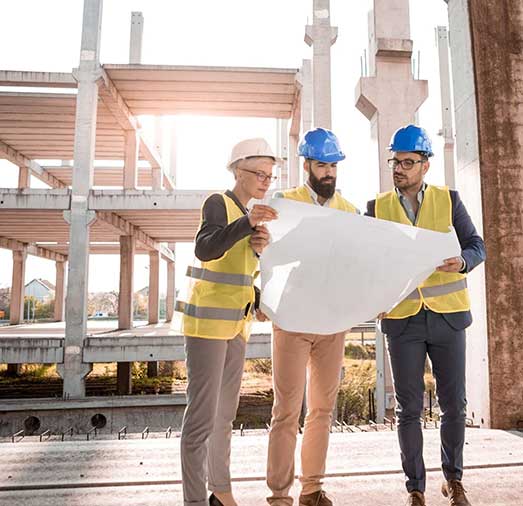
What Do Building Certifiers Actually Do?
- Managing Permits: Certifiers review and issue the necessary construction permits for new builds, extensions, and renovations, ensuring all paperwork is lodged correctly.
- Site Inspections: They conduct mandatory inspections at specific stages of the build (such as foundation or framing) to verify that the physical work matches the approved plans.
- Issuing Certificates: Throughout the project, they issue essential documentation, including construction certificates, compliance certificates, and the final occupation certificate.
- Code Compliance: They assess architectural plans against the Building Code of Australia to ensure the design meets all safety and planning regulations.
- Safety Audits: For existing or occupied buildings, certifiers may conduct audits to check fire safety systems and accessibility standards to protect tenants.
- Professional Collaboration: Certifiers often coordinate with other experts you might hire, such as architects, engineers, town planners, and local council authorities.
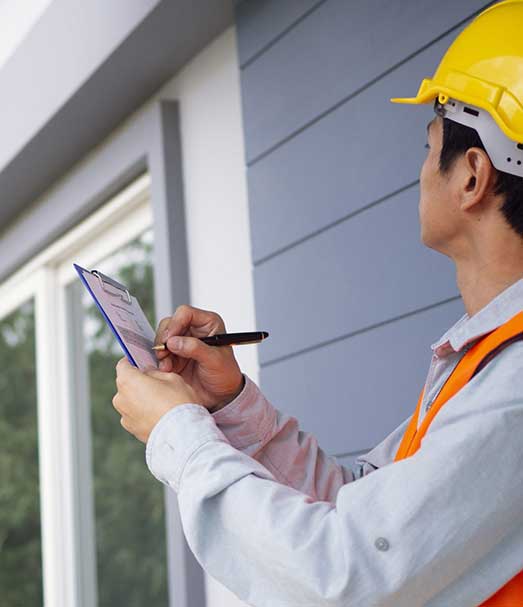
Private vs. Government Certifiers: Who Should You Hire?
- Private Certifiers: Most homeowners hire private certifiers for efficiency and speed. They operate independently to ensure your project complies with the law and can often offer more flexible scheduling for inspections.
- Government Certifiers: These are employed by your local council. While they perform the same statutory functions, their availability and timelines are determined by council workloads and internal processes.
What To Look For When Hiring a Certifier
- Valid Accreditation: Always verify that the certifier holds a current license with your state’s building authority (e.g., QBCC, VBA, or Fair Trading).
- Clear Quotes: When you receive quotes through ServiceTasker, check that they include all inspection stages and certification fees so there are no hidden costs later.
- Service Agreement: Ensure there is a written contract outlining their specific role, the inspections included, and your responsibilities as the property owner.
Understanding the role of a certifier helps you choose the right professional for your needs. By using ServiceTasker to compare local providers, you can find a certifier who understands local regulations and can help guide your project toward a successful, compliant completion.
Your Future Building Certifier Hero Is Just One Task Away — Let’s Find Them
What Does a Building Certifier Assess?
The professional you hire serves as an independent reviewer to ensure your project is legally safe and compliant. Their primary focus is checking that your plans and physical construction align with the National Construction Code (NCC) and local council requirements.
In the planning phase, they look at structural adequacy, fire safety, energy ratings, and disability access. Once building starts, they visit the site at critical milestones—like pouring the slab or completing the frame—to check workmanship against the approved standards.
They also ensure the building respects boundary setbacks and doesn't interfere with public infrastructure. Ultimately, their job is to verify that the building is safe to occupy before issuing the final Certificate of Occupancy.
Estimated Costs for Building Certification
The cost of hiring a building certifier varies based on the complexity and scale of your project. For standard residential jobs like a deck, garage, or minor renovation, prices generally sit between $500 and $1,200. Larger home builds usually range from $1,500 to $3,000.
Commercial projects or multi-unit developments require more extensive reporting and frequent inspections, which can push fees from $3,000 up to $10,000+. Pricing structures vary; some providers offer a fixed package fee, while others charge per inspection.
When comparing quotes on ServiceTasker, ask if the price covers all necessary site visits, document processing, and final certification to ensure you are comparing like-for-like services.
Questions to Ask Before Hiring
To ensure a smooth approval process, it is smart to screen potential certifiers with a few key questions:
- Are you currently licensed to certify projects in my council area?
- Do you have experience with this specific type of construction (e.g., residential vs. commercial)?
- Does your fee cover all required inspections and the final occupation certificate?
- How quickly can you typically review plans and issue approvals?
- Will you handle the submission of documents to the local council?
- What happens if the inspection reveals a defect or non-compliance issue?
- Can you explain the specific documents I need to provide to get started?
- What is your preferred method of communication during the build?
Cost Guide
Find Building Certifier in States
- Building Certifier in Victoria
- Building Certifier in Queensland
- Building Certifier in New South Wales
- Building Certifier in South Australia
- Building Certifier in Western Australia
- Building Certifier in Australian Capital Territory
- Building Certifier in Tasmania
- Building Certifier in Northern Territory
Still Looking?
Let ServiceTasker connect you with the best Building Certifier near you — safe, trusted, and affordable.
Recent Job Listings and Hires in the Building Certifier
Building a small home in Kingaroy. Older couple and have previously built a home.
I have a building consent application for an agricultural building on my property
- Private Certifier / Building Compliance Expert Needed – Blacktown Council Looking for an experienced NSW Registered Building Certifier or Building Compliance Consultant to urgently review a Notice of Intention and proposed Development Control Order issued by Blacktown City Council.
we are looking to engage a professional private certifier to assist with an upcoming project
all council NON PROCEEDING application docs COMPLETED & ATTACHED Includes plnas + struct eng diagrams + acoustic + recommendation reports Princes Hwy Arncliffe EXISTING D ouble storey 1970's dual occapncy DUAL ZONING residential + wharehousing ( restricted residential improvements LIMITED ) brick structure
PROCEED ONLY WITH
Rear balcony ABOVE 3 garages approx 8 x 10 to be covered from summer heat / rain & wind . Enclosed with windows if permitted
Looking for development work permit for secondary dwelling in brisbane council
Answers to Your Common Questions
An approved certifier is a licensed professional authorized to assess and certify compliance with specific regulations, such as building codes or safety standards. They can issue compliance certificates for construction, electrical, plumbing, and other regulated works. Their approval is typically granted by a government or industry regulatory body.
The cost of hiring a building certifier in Australia can vary depending on factors such as the complexity of the project, the location, and the services required. Generally, fees for building certification services can range from a few hundred to several thousand dollars.
In Queensland, building certifiers are required to hold a license issued by the Queensland Building and Construction Commission (QBCC) to practice legally. However, licensing requirements may vary in other states and territories.
ServiceTasker ensures that building certifiers listed on the platform adhere to all relevant rules and standards through a rigorous vetting process. Certifiers must provide proof of qualifications, licenses, and insurance, and their performance is monitored through customer feedback and reviews.
Using a private certifier offers several benefits, including faster approvals, personalized service, and greater flexibility in project management. Private certifiers often provide more efficient and responsive service compared to government authorities.
The time taken for Complying Development Certificate (CDC) approval in Australia can vary depending on factors such as the complexity of the project and the efficiency of the certifying authority. Generally, CDC approval can take anywhere from a few weeks to a few months.
The processing time for a construction certificate in Australia depends on factors such as the complexity of the project and the efficiency of the certifying authority. Typically, it can take several weeks to obtain a construction certificate.
In New South Wales (NSW), building certifiers are regulated by the NSW Building Professionals Board, which oversees their licensing, conduct, and compliance with relevant laws and regulations.
No, you don’t need a certifier for exempt development in Australia. Exempt developments are minor works that meet specific standards and don’t require planning or building approval. However, it’s important to check local council guidelines to ensure compliance.
A building inspector assesses construction work to ensure compliance with regulations and standards, providing recommendations but not approvals. A building certifier reviews plans and completed work to certify that they meet legal and safety requirements, issuing permits and occupancy certificates. Inspectors identify issues, while certifiers authorize compliance.